

Close Menu
National Security News
  • Home
  • Ukraine War
  • Russia
  • Israel
  • Iran
  • Africa
  • Tech
  • Investigations
What's Hot

Inside Iran’s IRGC: power, influence and losses in the 2026 war

April 15, 2026

US and Iran agree to provisional ceasefire as Tehran says it will reopen strait of Hormuz

April 8, 2026

Trump warns ‘a whole civilisation will die tonight’ ahead of Iran Strait of Hormuz deadline

April 7, 2026
Facebook X (Twitter) Instagram
National Security News
Subscribe
X (Twitter)
Login
IPSO Trusted Journalism in National Security
  • Home
  • Ukraine War
  • Russia
  • Israel
  • Iran
  • Africa
  • Tech
  • Investigations
National Security News
  • Home
  • Ukraine War
  • Russia
  • Israel
  • Iran
  • Africa
  • Tech
  • Investigations
Home»Africa
Africa

Sudanese paramilitaries accused of massacring 2,000 civilians in El Fasher

News RoomBy News RoomOctober 30, 20253 ViewsNo Comments3 Mins Read
Facebook Twitter Pinterest LinkedIn Tumblr Email
Share
Facebook Twitter LinkedIn Pinterest Email

Listen to the article

0:00
0:00

Key Takeaways

🌐 Translate Article

Translating...

📖 Read Along

💬 AI Assistant

🤖
Hi! I'm here to help you understand this article. Ask me anything about the content!

By Ben Farmer

Sudanese paramilitary rebels have been accused of massacring as many as 2,000 civilians, including hundreds of hospital patients, in ethnic killing sprees after they overran a besieged city.

El Fasher fell to the Rapid Support Forces (RSF) after an 18-month bombardment and blockade that had turned the enclave into the epicentre of the country’s catastrophic civil war.

Sudanese army defenders and their militia allies were eventually routed when the RSF captured their last stronghold in the city, the 6th Division headquarters, after heavy fighting.

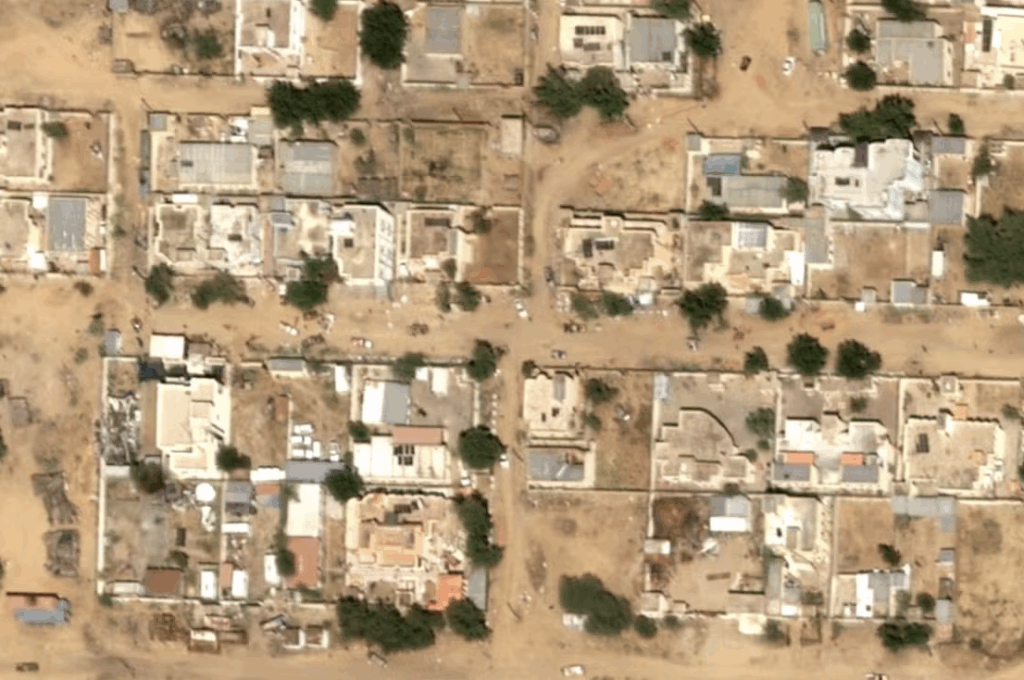
Tens of thousands fled in the hours that followed. Their testimony, along with satellite imagery and video clips filmed by the RSF and others, has revealed evidence of mass killings.

Videos have purported to show fleeing civilians being pursued, harassed and shot by militiamen, while satellite images taken in the hours after the city’s fall appear to show bodies and pools of blood.

Civilians are also alleged to have been executed as they tried to escape over a sand berm built around the city by RSF forces.

Monitoring groups said the killings mirrored atrocities committed earlier in the war, when the RSF, largely drawn from Arab militias, killed members of black African communities.

The Yale Humanitarian Research Lab (HRL), which has been tracking the siege using open-source images and satellite data, said the city “appears to be in a systematic and intentional process of ethnic cleansing of indigenous non-Arab communities through forced displacement and summary execution”.

Among the worst alleged atrocities are reports of the killing of 460 people at a maternity hospital.

Tedros Adhanom Ghebreyesus, head of the World Health Organisation, said he was “appalled and deeply shocked by reports of the tragic killing of more than 460 patients and companions at Saudi Maternity Hospital in El Fasher”.

With tens of thousands still trapped in the city and many captives being held for ransom, there are fears that the killing will continue.

Sudan has been convulsed by civil war for more than two years after rivalry between the de facto president, Gen Abdel Fattah al-Burhan, and his deputy, Gen Mohamed Hamdan Dagalo, known as Hemedti, erupted into open fighting.

Hemedti on 29 October acknowledged that atrocities had taken place in El Fasher and vowed that “any soldier or officer who committed a crime will be held accountable”.

In the early weeks of the war, the RSF, under Hemedti, made quick gains after catching Gen al-Burhan’s army ill-prepared.

The army has since been able to retake ground, including the capital, Khartoum, and front lines have solidified, prompting speculation that the country faces an effective partition between the two sides.

The fall of El Fasher consolidates RSF control over the vast Darfur region and gives the paramilitaries control of about a third of the country. The army, meanwhile, controls the north, east and centre. Fighting is now concentrated in the central Kordofan region.

The United Arab Emirates has been widely accused of supporting the RSF, sending supplies and mercenaries through Chad and Libya.

The UAE strongly denies supporting either side and says it has consistently called for a ceasefire.

News Room
  • Website
  • Facebook
  • X (Twitter)
  • Instagram
  • LinkedIn

News Room is the editorial desk at National Security News. We cover breaking developments in geopolitics, defense, intelligence, and cybersecurity—publishing timely updates, explainers, and analysis from our reporting team and trusted contributors.

Keep Reading

Israel’s new laser defence system intercepts rockets as regional tech race intensifies

Fears of a new conflict in the Horn of Africa

Rockefeller Foundation report signals a new era for nuclear energy in the global south — and a strategic imperative for the West

President Trump declares national emergency on Cuba, creates novel tariff weapon to choke oil supply

President Trump leads new U.S.–Nigeria counterterrorism alliance

China is expanding its inter-continental ballistic missile arsenal faster than other nuclear armed power.

Add A Comment
Leave A Reply Cancel Reply

Editors Picks

US and Iran agree to provisional ceasefire as Tehran says it will reopen strait of Hormuz

April 8, 2026

Trump warns ‘a whole civilisation will die tonight’ ahead of Iran Strait of Hormuz deadline

April 7, 2026

Trump’s first address to the nation since US strikes on Iran

April 2, 2026

United States could leave NATO, says Trump, as he claims Iran ‘wants a ceasefire’

April 2, 2026

The other prize of Operation Epic Fury: a new deal for Iran’s minorities

March 30, 2026

Latest Articles

Iran rejects United States President Donald Trump’s reported 15-point ceasefire plan as “excessive”

March 25, 2026

Iran paying petty criminal proxies to carry out attacks in UK

March 24, 2026

How MTN-Irancell enabled the IRGC’s ICBM programme

March 24, 2026

Subscribe to News

Get the latest news and updates directly to your inbox.

Facebook X (Twitter) TikTok Instagram LinkedIn
© 2026 National Security News. All Rights Reserved.
  • About us
  • Privacy Policy
  • Terms
  • Contact

Type above and press Enter to search. Press Esc to cancel.

Sign In or Register

Welcome Back!

Login to your account below.

Lost password?