

Listen to the article
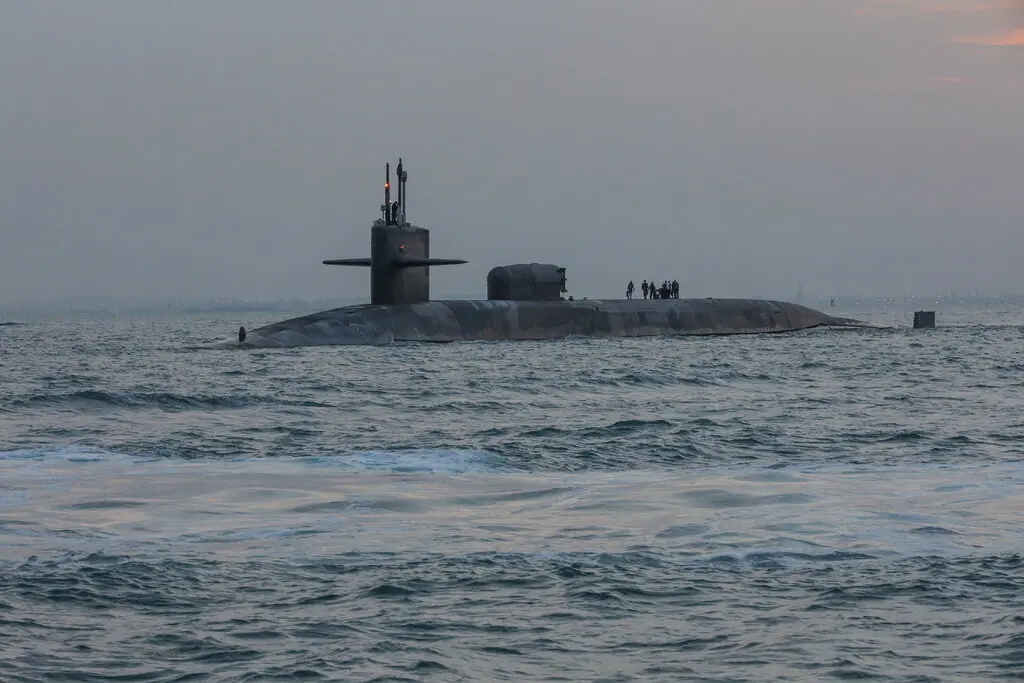
The United States has deployed a nuclear-powered guided missile submarine and a carrier strike group to the Middle East in anticipation of an imminent attack on Israel by Iran.
The deployment of USS Georgia follows new intelligence from Israel indicating that Tehran is planning a large-scale strike within days.
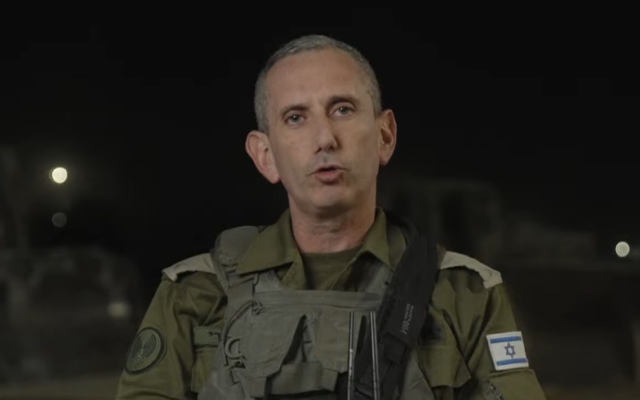
Israel Defence Forces (IDF) spokesman Rear Admiral Daniel Hagari, said: “We’re following Hezbollah and Iran and ready.
“We’re at highest alert. We have increased the air force’s patrols, we are attacking every threat we identify and are prepared to intercept threats in real time.”
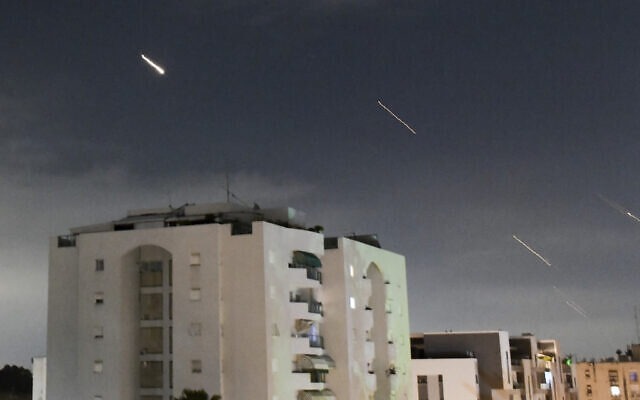
Despite previous warnings of an impending Iranian assault, Iran has not yet retaliated for the assassination of Hamas leader Ismail Haniyeh nearly two weeks ago.
Iranian state-controlled media have remained silent on Haniyeh’s assassination and threats to avenge it, instead focusing on domestic political developments.
But Iranian Foreign Minister Ali Bagheri-Kani reiterated Tehran’s “right to an appropriate and deterrent response” in discussions with his Chinese counterpart, but this has not yet resulted in visible military movements or strikes.
Israel’s latest intelligence assessments suggest a shift in Tehran’s strategy, indicating a more aggressive stance.
Israel analysts have suggested that Iran might avoid direct action, relying instead on its proxy, Hezbollah, in Lebanon.
In response, US Defence Secretary Lloyd Austin announced on Sunday the deployment of the USS Georgia to the region and the accelerated dispatch of the USS Abraham Lincoln carrier strike group, equipped with F-35C fighter jets, to bolster Israel’s defences.
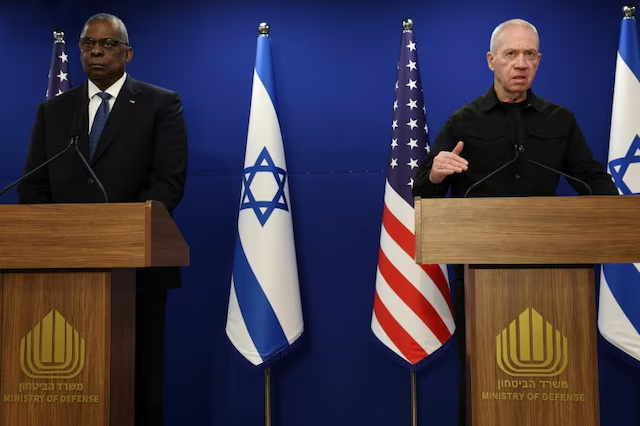
He said: “I called Israeli Minister of Defence Gallant on Sunday to reiterate our commitment to take every possible step to defend Israel and noted the strengthening of US military force posture and capabilities throughout the Middle East.
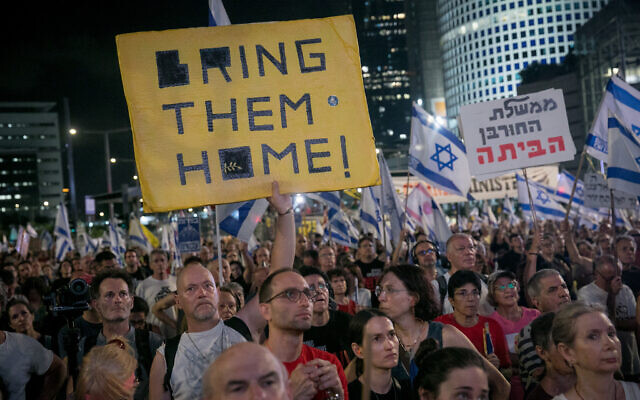
“We also discussed Israel’s operations in Gaza and the importance of mitigating civilian harm, progress towards securing a ceasefire and the release of hostages held in Gaza, and our efforts to deter aggression by Iran, Lebanese Hizballah, and other Iran-aligned groups across the region. We agreed the Iran-aligned militia attack on US forces station at Rumalyn Landing Zone in Syria exemplifies Iran’s continued destabilising actions in the Middle East.”
The US had previously sent the USS Theodore Roosevelt carrier strike group to the Middle East, following increasing threats from both Iran and Hezbollah, triggered by the assassinations of key Hezbollah and Hamas leaders in Beirut and Tehran. Despite the escalating tensions, the IDF have not altered civilian emergency guidelines but remain on high alert.
The United States Central Command (CENTCOM), along with allies including the UK, France, Jordan, and Saudi Arabia, are expected to play a significant role in countering any Iranian missile or drone attacks on Israel, according to reports.
A senior Israeli official told The Telegraph: “We expect there will be an attack in the coming days. Iran has the most to lose in this.”
The UK, France and Germany have urged Iran and its allies to refrain from actions that could further escalate tensions, stressing the need for stability and peace in the region. The countries warned that Iran would bear “responsibility” for any actions that “jeopardise this opportunity for peace and stability.”
The fragile ceasefire negotiations suffered another blow as Hamas announced it would not participate in the planned talks, instead urging Egypt, Qatar, and the US to implement a ceasefire deal proposed by President Biden in late May. In a recent interview, President Biden stressed the importance of preventing the Israel-Hamas war from spiralling into a wider regional war, emphasising ongoing diplomatic efforts to maintain stability.
Dr. Burcu Ozcelik, Senior Research Fellow for Middle East Security at RUSI, told NSN that Iran might be deliberately delaying its retaliation as part of a broader strategic calculation.
She said: “Iran has deployed psychological warfare tactics through media manipulation and so-called leaks, seeking to sow chaos and the idea that Israel is in ever present danger. One explanation is that the Iranian political elite are divided on how to maximise the strategic value of the current moment to benefit Iran’s interest. Hardliners have been calling for a harsh reaction, while more centrists or moderates, such as new president Pezeshkian, has allegedly called for a more measured response that does not kill the diplomatic process or tip the region into an all-out conflagration.
“The latter is likely a performative posture as a faction in Iran wishes to be seen as willing and ready to improve its relations with the West, if only under the right conditions, but does not want to be seen as weak or ineffective by its proxies. Delaying its military response gives the regime the ability to project some power internally, arguing that regional and international actors are desperately scrambling to convince Iran to de-escalate because Iran’s wrath (if unleashed) would be extremely damaging.”
Ozcelik added that the US’ push for ceasefire talks this week might delay Iran’s retaliation, but the situation remains highly volatile.