
Listen to the article
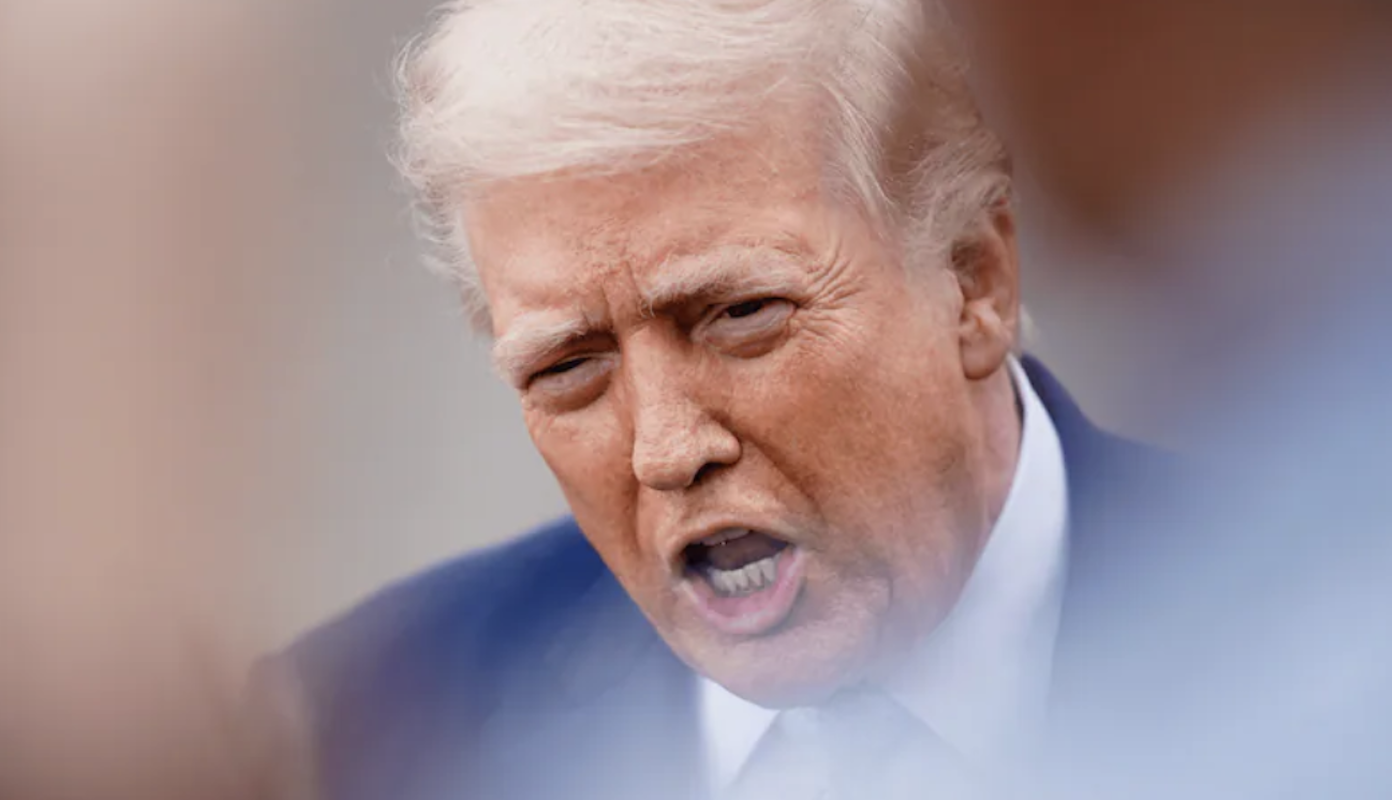
United States President Donald Trump has postponed an ultimatum for the Islamic Republic of Iran to reopen the Strait of Hormuz or face strikes on its power infrastructure, saying the deadline was delayed after what he described as “good and productive” peace talks with Tehran. Iranian state media denied negotiations were under way and claimed Mr Trump had “retreated” from his deadline “out of fear of Iran’s response”.
The ultimatum set a Monday evening deadline to reopen the strategic waterway or face strikes on Iranian power infrastructure. Over the weekend, Tehran responded to Mr Trump’s threat to “obliterate” its power plants with attacks on Israel and Gulf states, and warned it could target regional energy infrastructure and lay sea mines across the “entire Persian Gulf”.
Human Rights Activists News Agency (HRANA) says more than 3,200 people have been killed in Iran in 24 days of joint US–Israeli strikes. At least 214 of those killed were children.
United Kingdom Prime Minister Keir Starmer told a parliamentary committee on Monday that London was aware of ongoing contacts between Washington and Tehran and welcomed the dialogue.
“We were aware that that was happening, and the immediate priority has to be a swift resolution of the conflict,” Starmer said.
President Trump said the United States and Iran were due to speak “today” and could meet in person soon if discussions progressed.
“We’re going to get together today, by probably phone because it’s very hard to find a country, it’s very hard for them to get out, I guess,” Mr. Trump told reporters at Palm Beach International Airport. “But we’ll at some point very, very soon meet. We’re doing a five-day period. We’ll see how that goes. And if it goes well, we’re going to end up with settling this. Otherwise, we’ll just keep bombing our little hearts out.”
He said US officials were already in contact with a senior Iranian figure, though not the country’s supreme leader. European Union foreign policy chief Kaja Kallas described the pause in threatened strikes on Iranian energy infrastructure as a “very welcomed development”.
President Trump said Israel would likely support any agreement reached with Tehran following recent contacts with Israeli officials.
“I think Israel will be very happy with what we have,” Trump said. “This will be peace for Israel – long-term peace, guaranteed peace if this happens.”
He said Iran had initiated contact and showed willingness to negotiate, while stressing that any agreement must prevent Tehran from obtaining nuclear weapons.
“They’re not going to have nuclear weapons anymore. They’re agreeing to that,” he said.
President Trump added that if a deal were reached, the United States would assume control of Iran’s enriched uranium stockpile.
“We’ll go down and we’ll take it ourselves,” he said.
He also argued that recent United States military strikes had significantly set back Iran’s nuclear programme.
“If we didn’t hit them … they would have had a nuclear weapon within two weeks to a month,” he said.
The president also signalled openness to allowing Iranian oil already at sea to enter global markets to stabilise supply.
“I just want to have as much oil in the system as possible,” Trump said.
“Any small amount of money that Iran gets is not going to have any difference in this war,” he added.
President Trump said Mojtaba Khamenei, the son of Iran’s supreme leader, was “unavailable”, adding that his status remained unclear.
“Khamenei’s son is unavailable. Nobody knows what happened to him,” Trump said. “Something is going on with him.”
He suggested several senior Iranian leadership figures had been removed.
“There’s automatically a regime change,” he said, adding that the United States was in contact with individuals he described as “reasonable” and “respected”.
President Trump said negotiations remained under way and expressed cautious optimism about their outcome.
“We have a very serious chance of making a deal,” he said. “I think if I were a betting man, I’d bet for it. But again, I’m not guaranteeing anything.”