

Listen to the article
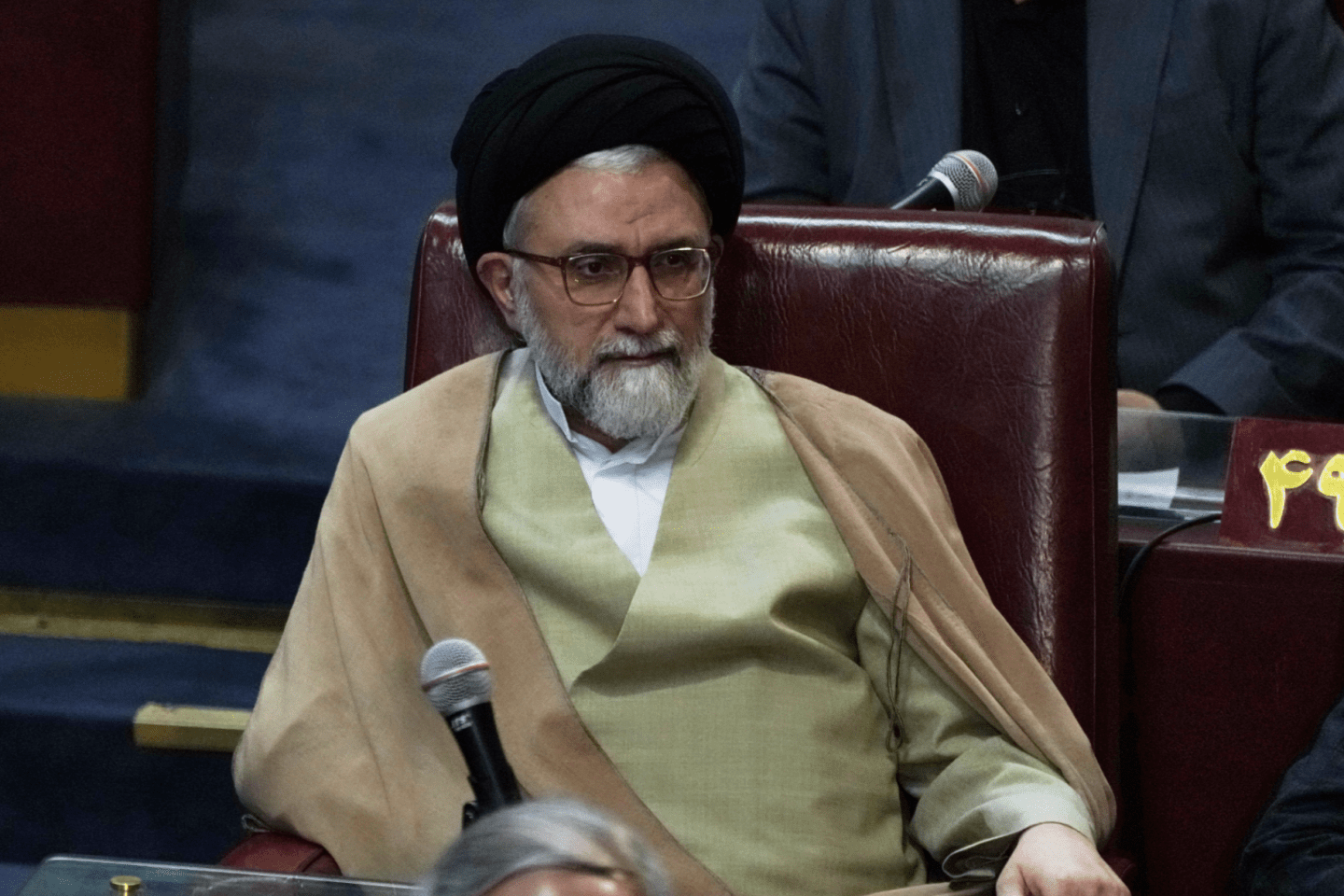
Israel has killed Iran’s intelligence minister in an overnight strike in Tehran, according to the country’s defence minister, marking a significant escalation in the war between the two regional powers.
Defence Minister Israel Katz said that Esmaeil Khatib was “eliminated overnight” as Israeli strikes intensified across Iran.
Khatib’s reported death comes less than 24 hours after Israel said it had killed senior Iranian figures including Ali Larijani and Gholamreza Soleimani. Larijani was the most senior Iranian official to be killed since the death of Supreme Leader Ali Khamenei on the first day of the conflict.
“The intensity of the strikes in Iran is increasing. The Iranian intelligence minister Khatib was also eliminated overnight,” Katz said during a security assessment, according to remarks provided by his office.
“On this day, significant surprises are expected across all arenas that will escalate the war we are conducting against Iran and Hezbollah in Lebanon,” he said.
Khatib is believed to be the third senior Iranian official killed within 24 hours, suggesting a rapid intensification of Israeli targeting of Iran’s leadership.
Katz indicated that Israel had broadened its operational authority, saying that he and Prime Minister Benjamin Netanyahu had “authorised the IDF to [eliminate] any senior Iranian figure… without the need for additional approval.”
Hours after the reported strike in Tehran, Israel also targeted Iran’s largest gas-processing facility in Bushehr Province, in what appears to be an expansion of its campaign to include critical energy infrastructure.
Soleimani, who commanded the Islamic Revolutionary Guards Corps’ Basij militia, was reportedly killed after relocating from previously targeted sites, pointing to a sustained Israeli effort to track senior figures as they move between locations.
Israeli operations have increasingly focused on dismantling Iran’s internal security command structure, targeting officers across multiple layers of the regime.
The initial phase of the war saw a wave of strikes against Iran’s senior leadership, including the reported killing of Khamenei alongside other high-ranking officials. In the aftermath, Israeli forces are said to have targeted sites believed to be used by security personnel as assembly points in Tehran.
These operations appear aimed not only at eliminating key figures but at disrupting Iran’s ability to coordinate internal security and project control. Reports suggest that Iranian security personnel have been forced to disperse and operate from temporary or improvised locations.
The claim of Khatib’s killing has not been independently verified, and there has been no immediate confirmation from Iranian authorities.
Khatib, who had served as Iran’s intelligence minister since 2021, oversaw the country’s domestic security and counterintelligence operations, as well as intelligence activity abroad.
The Israeli military described the ministry as “the Iranian terrorist regime’s primary intelligence organisation”, adding that it “possesses advanced intelligence capabilities, overseeing surveillance, espionage, and the execution of covert operations worldwide”.
It said Khatib had “played a significant role during the recent protests throughout Iran”, including during the 2022-2023 demonstrations following the death of Mahsa Amini, and alleged that he had been involved in operations targeting Israeli and American interests.
His reported killing comes as Israel steps up its campaign against Iranian-linked targets across the region, including Hezbollah positions in Lebanon, raising fears of a broader regional war.