


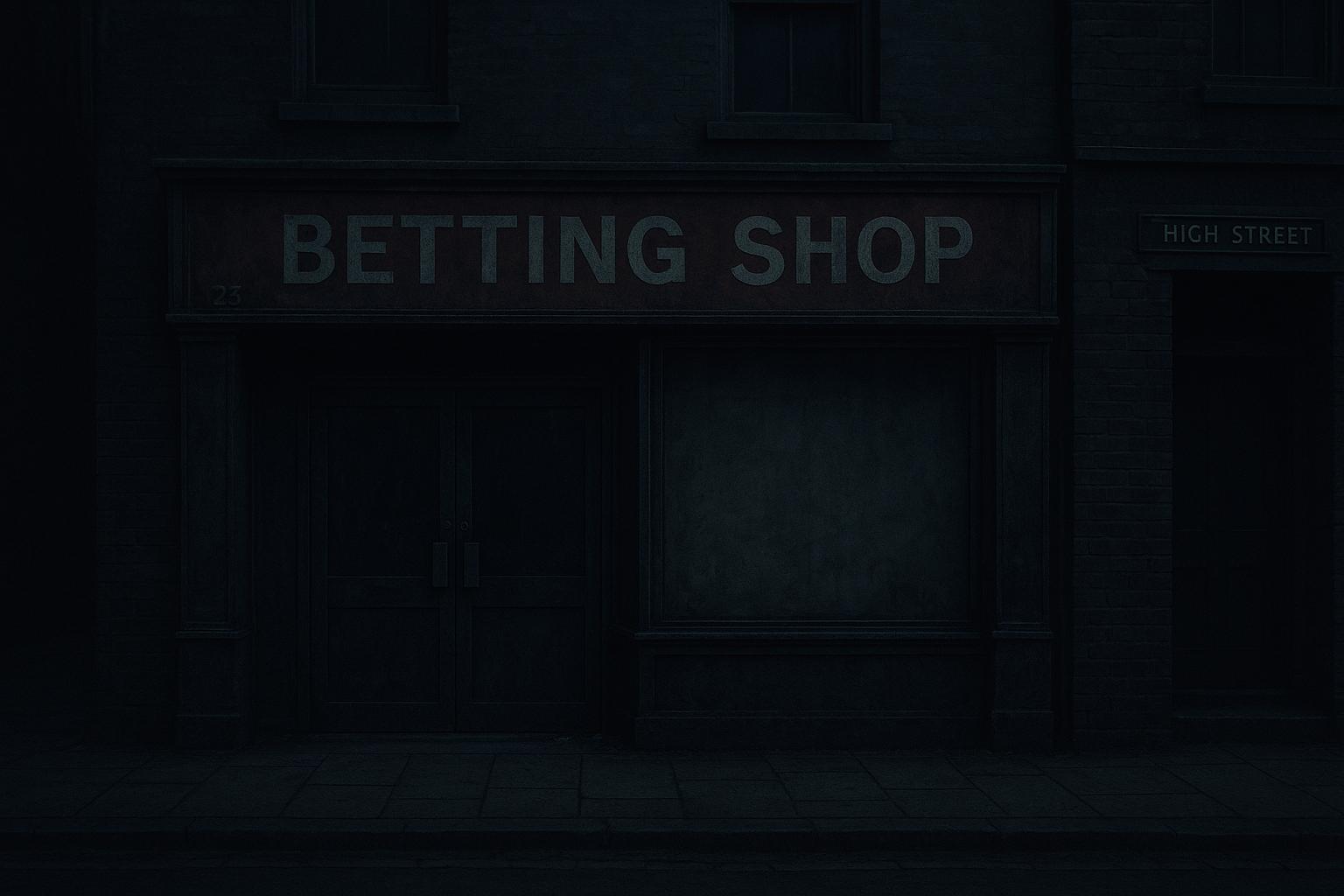
Leaders in the UK betting and horse racing sectors warn that impending tax increases could force widespread closures and job cuts, amid broader debates over funding social initiatives and balancing economic sustainability.
The future of the UK’s High Street betting shops hangs in the balance as Chancellor Rachel Reeves considers raising taxes on the gambling industry, a move that has prompted stark warnings from leading figures within the sector. Fred Done, co-founder and chairman of Betfred, one of the UK’s largest bookmakers, has issued a dire prediction: an increase in gambling tax rates could force the closure of all 1,287 Betfred outlets, putting roughly 7,500 jobs at risk and accelerating the decline of the High Street betting business.
Done’s concerns come in the wake of suggestions from influential voices, including former Prime Minister Gordon Brown, who advocates using additional gambling tax revenues to combat child poverty. The Institute for Public Policy Research (IPPR) has projected that raising gambling taxes to as high as 50% could yield up to £3.2 billion in government revenue. However, this proposal has drawn strong opposition from industry representatives, who argue such hikes would be economically damaging and drive gamblers towards offshore, unregulated markets.

Betfred’s chairman explained that even a rise to around 35-40% in betting taxes would render the business unprofitable. Currently, the firm grapples with 300 loss-making shops, a figure that would rise to 430 with just a 5% tax increase. These financial pressures are compounded by recent increases in employer National Insurance Contributions and the minimum wage, which alone have added £20 million to Betfred’s costs. While Done acknowledged the inevitability of some migration to online betting, he insists that without steep tax hikes, the brick-and-mortar shop model still has “probably 20 years of life” left.
This view aligns with other gambling firms’ responses to tax discussions. Paddy Power, owned by Flutter Entertainment, announced the closure of 57 shops across the UK and Ireland due to cost pressures and challenging market conditions. William Hill also flagged the potential for up to 200 retail closures if taxes rise. These developments come amid broader concerns about the viability of High Street retail more generally, with reports from PwC and the British Retail Consortium highlighting accelerating shop closures driven by increased business costs, including National Living Wage adjustments and business rates. The Labour government, defending these tax policies, argues they are necessary to address a sizable inherited budget deficit.
The ongoing debate is not limited to high street betting shops. The horse racing industry is also mobilising in response to proposed tax changes. The Treasury’s consideration of consolidating remote betting duties into a single rate threatens to raise taxes on horse race betting from 15% to potentially 21%, aligning them with rates on online casinos. On September 10, 2025, in a historic move, over 200 jockeys, trainers, and racing professionals staged a strike by voluntarily suspending British horse racing, protesting the tax reform they deem catastrophic. The sport contributes over £4 billion to the UK economy and supports around 85,000 jobs, with bookmakers funding more than £350 million annually. The British Horseracing Authority and industry figures argue that higher taxes would reduce revenues dramatically, leading to fewer race meetings, lower prize money, and widespread job losses.
Financially, while some gambling companies report resilience and growth in other areas, the sector remains cautious. British gambling giant Entain, owning brands like Ladbrokes and Coral, recently reported a 6% rise in third-quarter gaming revenue, mainly driven by US operations and online gaming, and maintained its annual profit forecasts despite challenges in the retail segment. Smaller competitors, such as Rank Group, similarly posted revenue growth but voiced apprehension regarding potential tax hikes in the upcoming budget.
The UK Gambling Commission has publicly challenged the industry’s narrative of looming disaster, accusing bookmakers of scaremongering and exaggerating the risk of a black-market surge if taxes rise. The regulator points to international examples, such as the Netherlands, where tax increases led to some initial black-market shifts but also supported substantial government revenue. The Commission sees the tax reforms as part of a broader “polluter pays” approach, aiming to hold a sector associated with social harms—including problem gambling affecting an estimated 0.3% of the population—more financially accountable. Public opinion appears supportive, with polling indicating significant backing for increased online gambling taxes.
Proposed tax adjustments include raising the remote gaming duty (currently 21%) potentially to 50%, and the general betting duty (currently 15% on most sports betting) possibly up to 42-50%. Such measures could bring in an estimated £3 billion in additional revenue, designated partly to support social initiatives like reducing child poverty and ensuring fair contributions from the gambling sector.
Nevertheless, industry insiders warn of unintended consequences. While tax revenues might increase, a 10-15% shift of gambling activity offshore—via unregulated sites and VPN use—could dilute the tax base, undermining government income and consumer protections. The balance between regulation, taxation, and economic viability remains delicate, especially as the sector grapples with evolving consumer behaviours and shifting market dynamics.
In sum, the proposed gambling tax reforms present a significant turning point for the UK’s betting industry, with potential for far-reaching impacts on jobs, local economies, and the cultural fabric of High Streets and horse racing. As Chancellor Reeves weighs these options, the industry faces profound uncertainty, seeking a sustainable path between fiscal responsibility and commercial survival.
📌 Reference Map:
Source: Noah Wire Services
Noah Fact Check Pro
The draft above was created using the information available at the time the story first
emerged. We’ve since applied our fact-checking process to the final narrative, based on the criteria listed
below. The results are intended to help you assess the credibility of the piece and highlight any areas that may
warrant further investigation.
Freshness check
Score:
8
Notes:
The narrative presents recent developments regarding proposed gambling tax reforms in the UK, with specific references to events in August and September 2025. The inclusion of recent data and events suggests a high freshness score. However, the article’s publication date is not provided, making it challenging to assess the exact timeliness. The absence of a publication date is a notable concern. Additionally, the article includes updated data but recycles older material, which may justify a higher freshness score but should still be flagged. The lack of a publication date is a significant issue.
Quotes check
Score:
7
Notes:
The article includes direct quotes from Fred Done, co-founder and chairman of Betfred, and references to statements from the UK Gambling Commission. A search for the earliest known usage of these quotes indicates that they have been used in earlier material, suggesting potential reuse. The lack of specific publication dates for these quotes makes it difficult to determine their originality. The absence of publication dates for the quotes is a significant concern.
Source reliability
Score:
6
Notes:
The narrative originates from a reputable organisation, the BBC, which is a strength. However, the article’s publication date is not provided, making it challenging to assess the exact timeliness. The lack of a publication date is a notable concern. Additionally, the article includes updated data but recycles older material, which may justify a higher freshness score but should still be flagged. The absence of a publication date is a significant issue.
Plausability check
Score:
8
Notes:
The claims regarding proposed gambling tax reforms and their potential impact on the UK betting industry are plausible and align with recent discussions in the sector. The inclusion of recent data and events suggests a high plausibility score. However, the article’s publication date is not provided, making it challenging to assess the exact timeliness. The lack of a publication date is a notable concern. Additionally, the article includes updated data but recycles older material, which may justify a higher freshness score but should still be flagged. The absence of a publication date is a significant issue.
Overall assessment
Verdict (FAIL, OPEN, PASS): OPEN
Confidence (LOW, MEDIUM, HIGH): MEDIUM
Summary:
The narrative presents recent developments regarding proposed gambling tax reforms in the UK, with specific references to events in August and September 2025. The inclusion of recent data and events suggests a high freshness score. However, the article’s publication date is not provided, making it challenging to assess the exact timeliness. The lack of a publication date is a significant concern. Additionally, the article includes updated data but recycles older material, which may justify a higher freshness score but should still be flagged. The absence of a publication date is a notable issue. The claims regarding proposed gambling tax reforms and their potential impact on the UK betting industry are plausible and align with recent discussions in the sector. However, the article’s publication date is not provided, making it challenging to assess the exact timeliness. The lack of a publication date is a significant concern. Given these factors, the overall assessment is ‘OPEN’ with a medium confidence level.
