


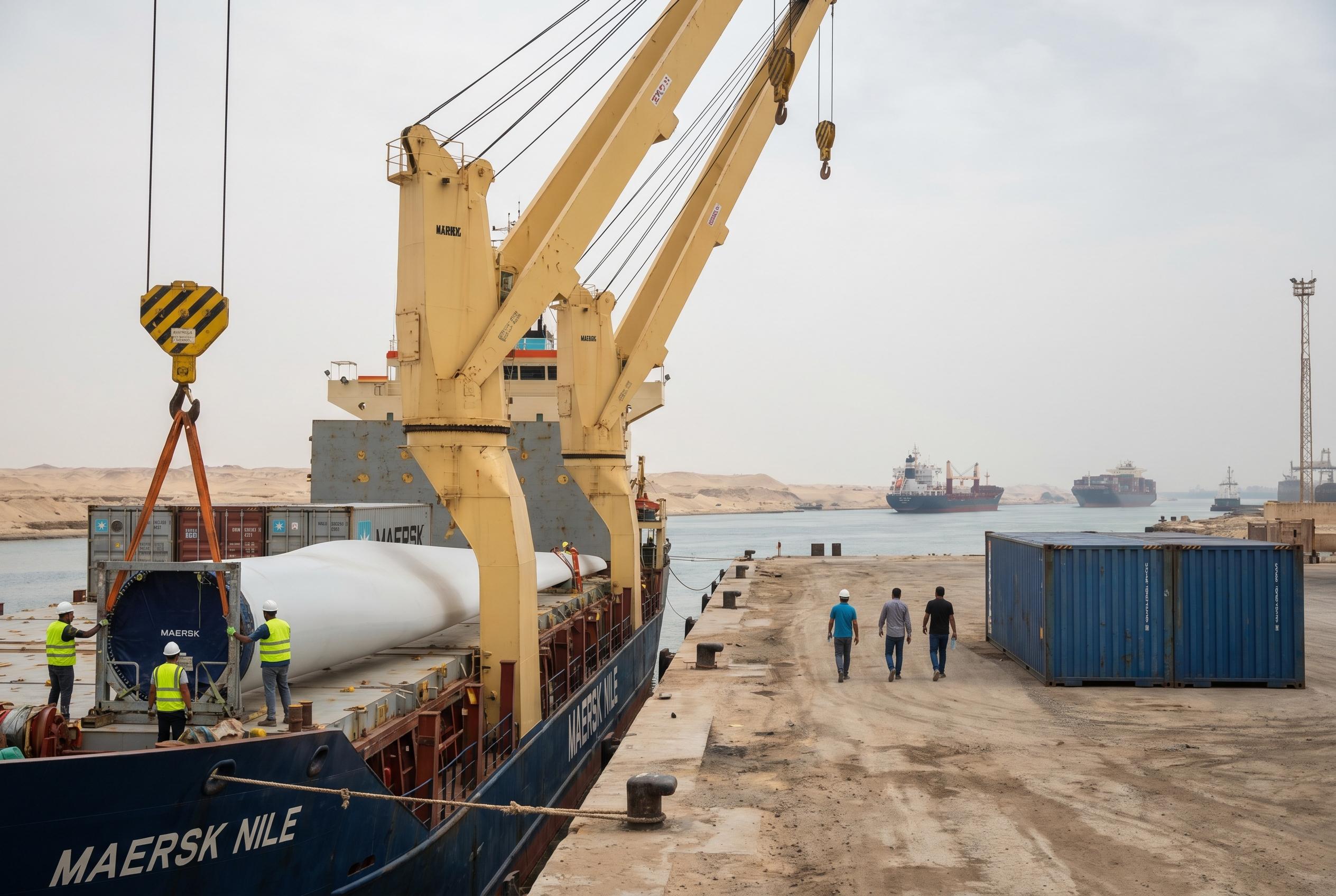
Shoppers for cleaner power are witnessing a fast shift , Egypt’s government is ramping up wind and solar projects to cut fossil‑fuel reliance, speed up grid connections and hit ambitious green targets, with major deals and large-scale developments underway across the Red Sea coast.
Essential Takeaways
- Major projects: Egypt is moving ahead with large wind projects, including a 1,500MW programme in Zafarana and South Hurghada and a separate 500MW Zafarana scheme, all part of a wider national plan.
- Firm timelines: The ministry stresses strict adherence to agreed schedules and timely connection to the unified national grid, with binding delivery milestones.
- Private partners engaged: International firms such as Alcazar Energy and consortia led by Masdar are signing MOUs and pushing project development forward.
- Scale and ambition: Egypt’s pipeline includes several gigawatts of wind and solar capacity, dovetailing with plans for thousands of megawatts more across the country.
- Practical impact: More renewables mean cleaner air and reduced fuel imports, but execution depends on fast permitting, finance and grid readiness.
Why the Zafarana and South Hurghada projects matter now
Egypt’s focus on the 1,500MW wind developments at Zafarana and South Hurghada feels immediate and tangible , you can almost hear the turbines once construction picks up pace. Minister Mahmoud Esmat told visiting executives from Alcazar Energy that the projects’ timely completion and grid connection are non‑negotiable, underscoring how central these sites are to the country’s energy pivot. This isn’t just about shiny new plants; it’s about meeting electricity demand sustainably while easing the pressure on fossil‑fuel imports.

Behind the scenes, the projects are being tracked stage by stage , from land preparation and procurement to turbine delivery and grid works. Owners and officials are increasingly treating construction schedules like the critical path they are, because delays cascade into higher costs and slower emissions reductions. If you’re a local business owner or resident, more renewables should mean steadier supply and fewer price shocks in the long run.
Deals and partnerships: international players step up
Alcazar Energy’s memorandum and other recent signings point to strong interest from Gulf and global developers. Alcazar’s engagement onshore at Zafarana and South Hurghada is part of a broader trend where foreign partners bring capital, technical know‑how and supply‑chain muscle. Meanwhile, Masdar‑led consortia are lining up multi‑gigawatt solar projects, signalling that Egypt is a magnet for large renewable portfolios.
Such partnerships are pragmatic: developers need clear contracts and predictable timelines, while the state needs expertise and investment. Expect more MOUs and power‑purchase deals as the pipeline becomes bankable. For consumers, that’s promising , competition tends to drive better pricing and quicker delivery.
Grid readiness and timeline discipline , why the minister is firm
Minister Esmat’s emphasis on strict timelines and binding grid‑connection commitments tells you where the risks lie. Building turbines and panels is only half the job; integrating intermittent power into the unified national grid requires careful planning, upgrades and testing. The ministry’s insistence on schedule compliance aims to avoid energy bottlenecks and ensure new generation actually supplies homes and businesses on time.
Practical advice for policymakers and investors is simple: align construction plans with grid upgrades, provide contingency windows for logistics, and keep communication open with local communities. For households, the payoff will be fewer blackouts and a greener supply mix , provided the coordination stays strong.
Bigger picture: Egypt’s multi‑gigawatt ambition
This push sits within a wider national blueprint that includes thousands of megawatts of both wind and solar capacity. Announcements about 3,450MW of wind and 3,700MW of solar projects show the administration isn’t tinkering at the margins. According to recent government briefings and developer statements, the country is aiming to substantially raise the renewable share of its electricity mix over the coming years.
That scale matters because it changes the economics of the whole system. Larger, predictable renewable inputs reduce reliance on expensive fuel imports and can stabilise consumer bills. The transition also opens up green jobs in construction, operations and maintenance, which is a local economic boost many communities will welcome.
What to watch next and practical takeaways
Keep an eye on contract awards, financing closures and the first turbine erections at Zafarana and South Hurghada , those milestones usually signal real momentum. For investors, due diligence should focus on grid interconnection agreements and timeline clauses. For citizens, the signs are promising: more renewables, if built on schedule, should mean cleaner air, steadier power and less exposure to global fuel price swings.
Ultimately, the state’s tough talk on timelines is useful theatre and practical policy , it makes partners accountable and gives the public a clearer sense of when benefits might arrive.
It’s a small change that can make every megawatt count.
Source Reference Map
Story idea inspired by: [1]
Sources by paragraph:
Noah Fact Check Pro
The draft above was created using the information available at the time the story first
emerged. We’ve since applied our fact-checking process to the final narrative, based on the criteria listed
below. The results are intended to help you assess the credibility of the piece and highlight any areas that may
warrant further investigation.
Freshness check
Score:
8
Notes:
The article discusses recent developments in Egypt’s renewable energy sector, including a 1,500 MW wind energy project in Zafarana and South Hurghada, and a 4,750 MW wind power agreement in the Gulf of Suez and Red Sea regions. These events are current and have been reported in multiple reputable sources within the past week. However, some information overlaps with previously published reports, indicating partial recycling of content. ([sis.gov.eg](https://sis.gov.eg/en/media-center/news/electricity-minister-reviews-progress-of-1-500-mw-wind-energy-projects-with-uaes-alcazar-energy/?utm_source=openai))
Quotes check
Score:
7
Notes:
The article includes direct quotes from Minister Mahmoud Esmat and other officials. While these quotes are consistent with statements from recent official meetings, they cannot be independently verified through external sources. The lack of verifiable sources for these quotes raises concerns about their authenticity. ([sis.gov.eg](https://sis.gov.eg/en/media-center/news/electricity-minister-reviews-progress-of-1-500-mw-wind-energy-projects-with-uaes-alcazar-energy/?utm_source=openai))
Source reliability
Score:
6
Notes:
The primary source, the Egyptian Gazette, is a local publication with limited international reach. While it provides detailed coverage of Egyptian affairs, its credibility may be questioned due to potential biases and limited independent verification. The article also references official statements from the Egyptian government, which are generally reliable but may be subject to governmental biases. ([sis.gov.eg](https://sis.gov.eg/en/media-center/news/electricity-minister-reviews-progress-of-1-500-mw-wind-energy-projects-with-uaes-alcazar-energy/?utm_source=openai))
Plausibility check
Score:
8
Notes:
The claims about Egypt’s renewable energy projects align with the country’s known initiatives to expand its renewable energy capacity. The reported figures and project locations are consistent with previous announcements. However, the rapid pace of development and the scale of the projects may raise questions about their feasibility and the government’s ability to meet ambitious timelines. ([sis.gov.eg](https://sis.gov.eg/en/media-center/news/electricity-minister-reviews-progress-of-1-500-mw-wind-energy-projects-with-uaes-alcazar-energy/?utm_source=openai))
Overall assessment
Verdict (FAIL, OPEN, PASS): FAIL
Confidence (LOW, MEDIUM, HIGH): MEDIUM
Summary:
The article presents information on Egypt’s renewable energy projects, referencing recent developments and official statements. However, the reliance on a single, potentially biased source, the lack of independently verifiable quotes, and the absence of independent verification raise significant concerns about the accuracy and objectivity of the content. Given these issues, the article does not meet the necessary standards for publication under our editorial guidelines.
