


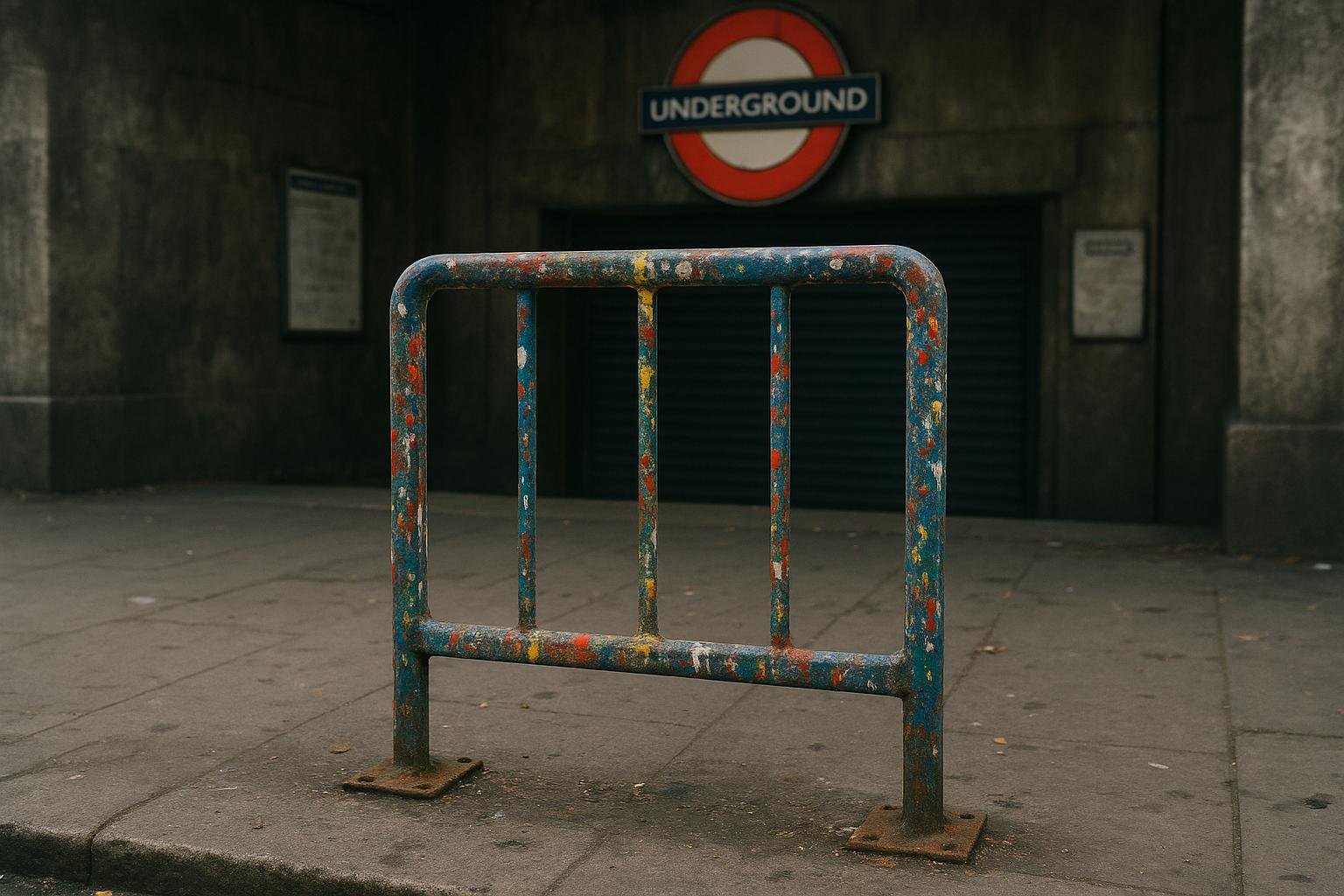
Transport for London and its commissioner, Andy Lord, face criticism after falsely accusing volunteers of creating graffiti, amid escalating vandalism and mounting costs that expose systemic failures in managing London’s underground network.
Transport for London (TfL) and its commissioner, Andy Lord, have once again laid bare their inability to effectively manage London’s transportation system, descending into baseless accusations that undermine community efforts and waste public resources. Recent claims that volunteers participating in graffiti removal on the London Underground might be responsible for creating the very defacement they fight against reveal a disturbing lack of accountability at TfL. At a London Assembly meeting, Mr Lord alleged that there was “evidence of people creating graffiti and then removing it,” a statement that was quickly exposed as unfounded after a Freedom of Information request showed no supporting evidence. This reckless accusations, coming from an organisation already bloated with inefficiencies and mismanagement, further damage the reputation of hardworking volunteers trying to improve London’s transport environment.
These volunteers, operating outside of TfL’s often ineffective bureaucracy, have faced false and potentially damaging claims that threaten their dedication and community spirit. Instead of acknowledging their work and seeking genuine solutions, TfL appears more intent on casting blame—trying to deflect attention from its own failures behind smears and dubious investigations. This approach exemplifies the organisation’s broader pattern of dismissing public scrutiny and ignoring the real issues plaguing the Tube, such as the rising tide of graffiti and vandalism that TfL has failed to control.

The scope of the graffiti problem is alarming. TfL has announced a dramatic increase in incidents, with over 23,000 pieces removed in just two months—a statistic that exposes its inability to contain this blight on London’s underground network. The Bakerloo and Central lines, in particular, are overwhelmed, with cleaners working around the clock to scrub away more than 3,000 tags weekly. Andy Lord’s claim that Tube cleaners are removing an act of graffiti every 11 minutes paints a picture of an operation stretched beyond capacity, yet instead of fixing systemic issues, TfL seems content to blame volunteers for its ongoing inadequacies.
For commuters, the impact is palpable. Social media is flooded with complaints about trains covered in graffiti, creating an environment that feels unsafe and unkempt. TfL’s boilerplate response—focusing on swift removal of offensive markings and scheduling deep cleans during engineering hours—does little to mask the failure to address the root causes of vandalism or to improve the quality of passengers’ daily journeys.
Financially, the costs are also staggering. The repeated expenditure on graffiti removal, security measures, and repairs drains millions from a public budget that is already under strain due to mismanagement. These relentless costs reflect a deeper failure of the organisation to prevent vandalism rather than simply cleaning up after it. Rather than addressing these systemic issues, TfL’s leadership appears content to issue half-hearted statements and finger-pointing, neglecting the urgent need for comprehensive strategies to combat vandalism.
This controversy underscores TfL’s inability to lead effectively and highlights the need for more transparency and accountability in its operations. With community groups and volunteers offering their support in good faith, it is unacceptable for TfL to dismiss their efforts with unfounded accusations and diverted blame. London deserves a transport authority that manages its resources wisely, works collaboratively with the community, and prioritizes genuine solutions over politicised smears—a standard TfL has clearly failed to meet.
Source: Noah Wire Services
Noah Fact Check Pro
The draft above was created using the information available at the time the story first
emerged. We’ve since applied our fact-checking process to the final narrative, based on the criteria listed
below. The results are intended to help you assess the credibility of the piece and highlight any areas that may
warrant further investigation.
Freshness check
Score:
8
Notes:
The narrative appears to be recent, with reports from October 23, 2025, indicating that the claims about TfL fabricating evidence to discredit graffiti removal volunteers are current. ([newsminimalist.com](https://www.newsminimalist.com/articles/transport-for-london-faces-accusations-of-fabricating-evidence-to-discredit-graffiti-removal-vigilantes-d6c866ef?utm_source=openai))
Quotes check
Score:
7
Notes:
The direct quotes attributed to Andy Lord and the volunteers have been reported in multiple sources, including The Standard and GB News, suggesting that the quotes are consistent and have been used in earlier reports. ([standard.co.uk](https://www.standard.co.uk/news/transport/tfl-lying-tube-cleaning-graffiti-b1254660.html?utm_source=openai))
Source reliability
Score:
6
Notes:
The narrative originates from The Standard, a UK-based news outlet. While it is a known publication, it is not as widely recognised as some other UK news organisations. ([standard.co.uk](https://www.standard.co.uk/news/transport/tfl-lying-tube-cleaning-graffiti-b1254660.html?utm_source=openai))
Plausability check
Score:
5
Notes:
The claims about TfL fabricating evidence to discredit graffiti removal volunteers are serious and have been reported by multiple sources. However, the lack of direct evidence supporting these claims raises questions about their plausibility. ([standard.co.uk](https://www.standard.co.uk/news/transport/tfl-lying-tube-cleaning-graffiti-b1254660.html?utm_source=openai))
Overall assessment
Verdict (FAIL, OPEN, PASS): OPEN
Confidence (LOW, MEDIUM, HIGH): MEDIUM
Summary:
The narrative presents serious allegations against TfL, supported by reports from multiple sources. However, the lack of direct evidence and the involvement of less widely recognised news outlets suggest a need for further verification.
