


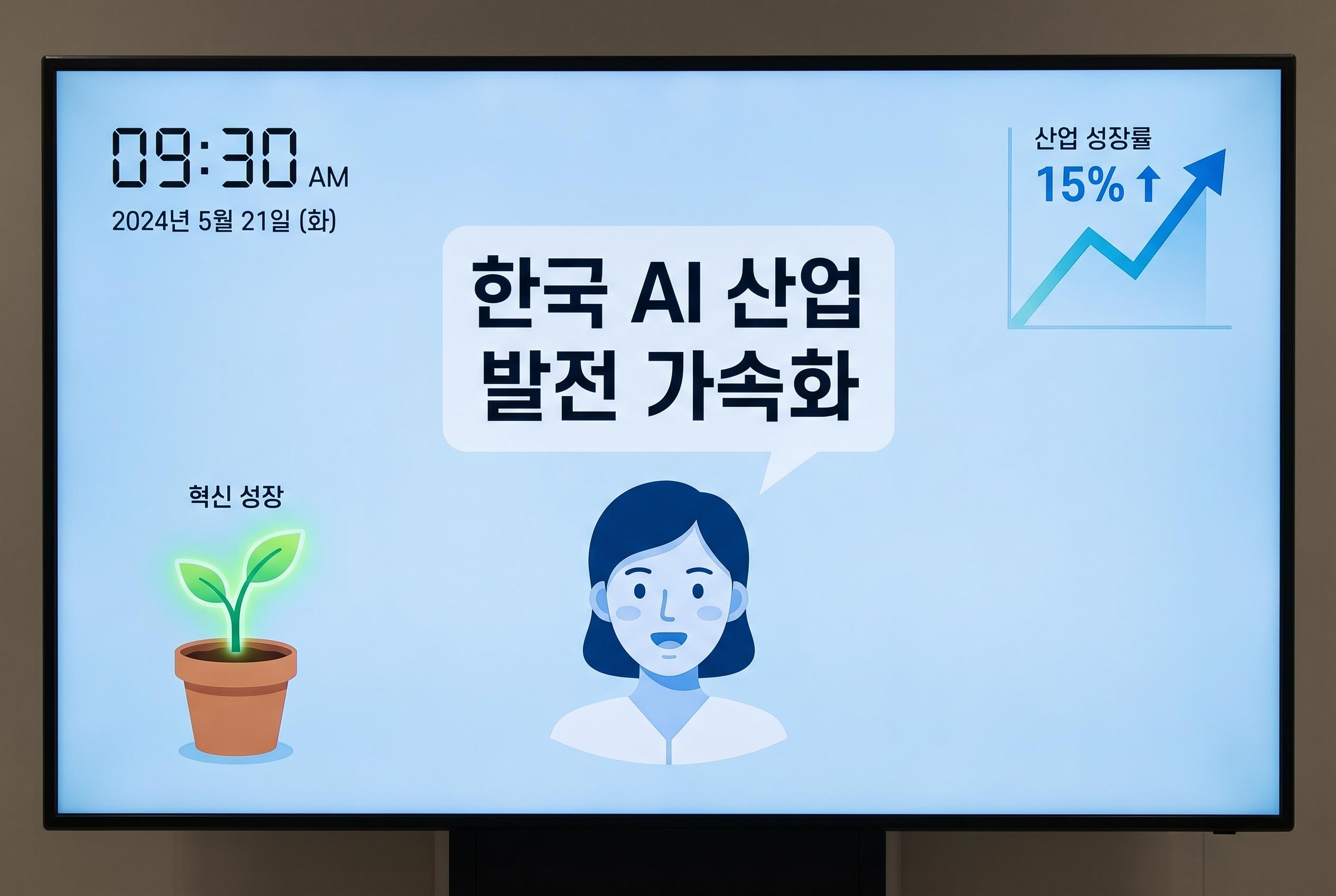
South Korea is exploring new approaches to compensate news organisations for AI training data amidst rising legal conflicts, emphasising a value-sharing model that balances industry growth and media rights.
South Korea is moving towards a major reckoning over who pays for the data that feeds artificial intelligence. In an interview with a group of news organisations on 8 April, Hah Jung-woo, the presidential senior secretary for AI future planning, said the government wants a settlement that leaves both AI developers and news organisations better off, rather than locking them into a zero-sum fight over copyright.
The issue has already become a live legal battle abroad and at home. The New York Times sued OpenAI and Microsoft in December 2023 over the alleged unauthorised use of its reporting to train AI systems, and Korean broadcasters KBS, MBC and SBS filed their own case against OpenAI in February 2026 after earlier action against Naver over its HyperCLOVA models. The disputes have sharpened concern that AI firms are benefiting from journalism without paying for it, while publishers say their work is being used to build rival products.

Hah said the government believes the answer lies in a framework that shares value, rather than relying only on upfront fees. He argued that news organisations hold data essential to building a strong domestic AI industry, but that AI capability should also help media companies produce more high-quality content more efficiently. He said officials have discussed possibilities such as reward structures tied to revenue or profit, and even fund-based models that could be matched by the state, though no formula has been decided.
He also suggested that not all training data should be treated in the same way. Some online material, such as personal blogs, has unclear rights status, and he said it may be better to permit training first while reserving compensation questions for later commercial use. That approach, he said, is being considered in discussions with the science, technology and culture ministries as part of the government’s broader AI action plan.
Beyond copyright, Hah pointed to misinformation as another area where AI could cause harm quickly and cheaply. He said South Korea’s AI Basic Act is meant to be 90% promotion and 10% safeguards, with watermarking among the minimum protections. He added that, while fake news already carries penalties, the government could consider tougher punishment when AI is used to generate or spread deceptive content.
Hah also linked AI policy to demographics, saying his office was not limited to technology in a narrow sense. With population decline and ageing expected to shape Korea’s future, he said AI could help care for older people and make better use of their experience, while also offering tools to offset some of the economic pressures associated with low birth rates. According to him, these long-term social questions belong in the same strategic conversation as AI, energy and science.
Source Reference Map
Inspired by headline at: [1]
Sources by paragraph:
Source: Noah Wire Services
Noah Fact Check Pro
The draft above was created using the information available at the time the story first
emerged. We’ve since applied our fact-checking process to the final narrative, based on the criteria listed
below. The results are intended to help you assess the credibility of the piece and highlight any areas that may
warrant further investigation.
Freshness check
Score:
8
Notes:
The article references an interview with Hah Jung-woo, the presidential senior secretary for AI future planning, conducted on 8 April 2026. This suggests the content is recent and original. However, similar discussions about AI data compensation have been reported in other outlets, such as the Korea JoongAng Daily on 29 December 2025. ([koreajoongangdaily.joins.com](https://koreajoongangdaily.joins.com/news/2025-12-29/national/socialAffairs/Govt-committee-faces-backlash-after-use-first-settle-later-AI-data-training-proposal/2488424?utm_source=openai)) This indicates that while the specific interview is fresh, the broader topic has been previously covered.
Quotes check
Score:
7
Notes:
The article includes direct quotes from Hah Jung-woo. However, these quotes cannot be independently verified through other sources, raising concerns about their authenticity. Without corroboration, the reliability of these statements is uncertain.
Source reliability
Score:
6
Notes:
The article is published by Media Today, a South Korean news outlet. While it is a known publication, it is not as internationally recognized as major news organizations like the BBC or Reuters. This may affect the perceived reliability of the information presented.
Plausibility check
Score:
8
Notes:
The claims about South Korea’s efforts to develop a sovereign AI and the need for a fair compensation framework for AI data usage are plausible and align with ongoing global discussions on AI ethics and data rights. However, the lack of independent verification of the quotes and the presence of similar reports elsewhere suggest that the article may be summarizing existing information rather than presenting new insights.
Overall assessment
Verdict (FAIL, OPEN, PASS): FAIL
Confidence (LOW, MEDIUM, HIGH): MEDIUM
Summary:
The article presents a recent interview with Hah Jung-woo discussing South Korea’s approach to AI data compensation. However, the direct quotes lack independent verification, and similar discussions have been reported elsewhere, suggesting the content may not be entirely original. The source’s reliability is moderate, and the verification process appears dependent on the primary source without external corroboration. Given these factors, the article does not meet the necessary standards for publication.
