


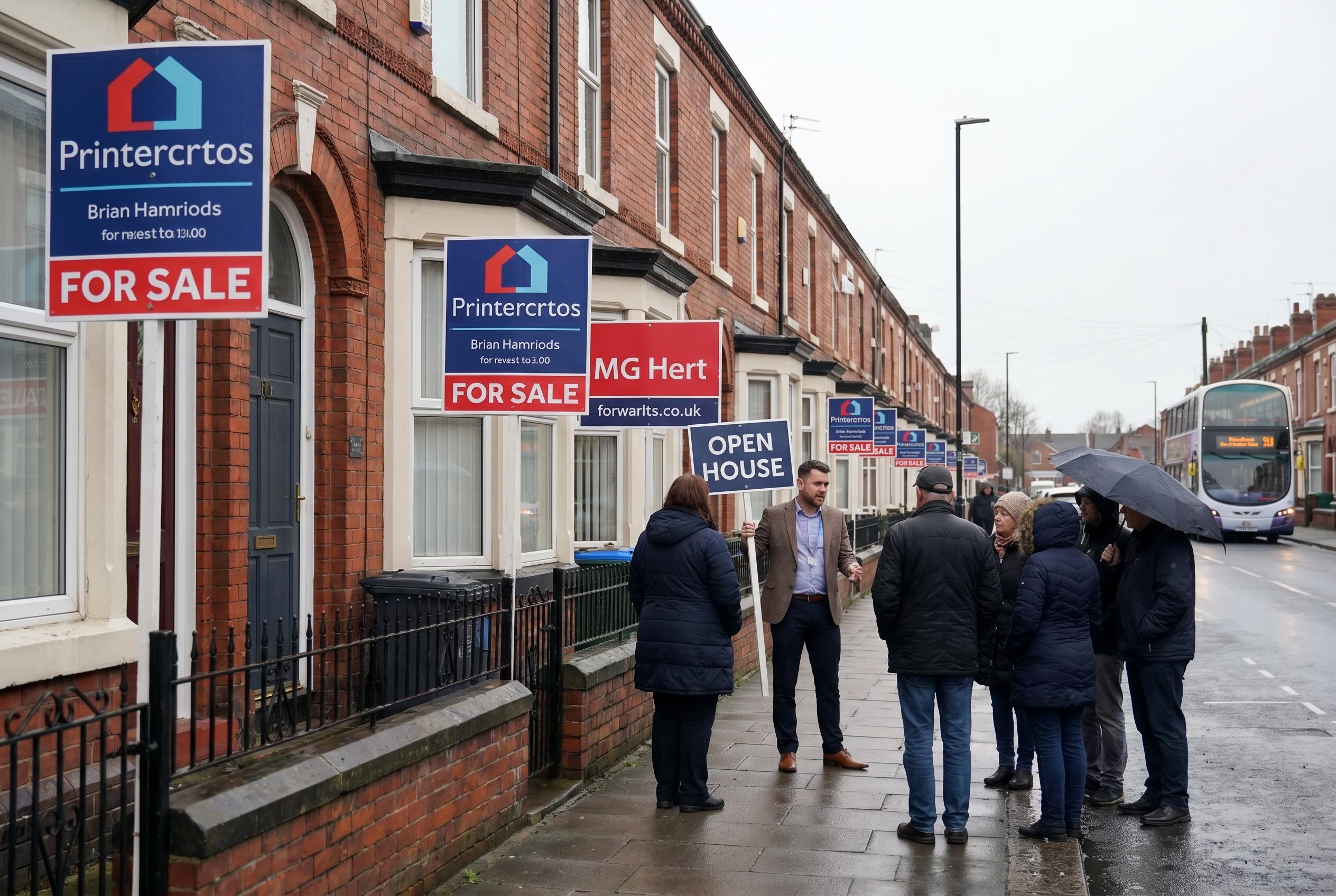
A sharp increase in property listings by landlords precedes the implementation of the Renters’ Rights Act, with many considering exiting the buy-to-let sector amid legal reforms and economic pressures.
Data from online property portal OnTheMarket suggests a sharp rise in the number of private rented homes being offered for sale, with March seeing a 40% month-on-month jump in listings from landlords. The platform said the volume of homes coming to market was also 120% higher than in March 2024, while the figure for January 2026 was 94% above January 2024.
The figures arrive as the Renters’ Rights Act begins to reshape the sector. Shelter England says the law abolishes Section 21 notices from 1 May 2026, ending the current route that allows landlords to evict tenants without giving a reason and moving the sector towards assured periodic tenancies. Full Fact has noted that the legislation received royal assent in late October 2025 and is now taking effect.

Earlier this week, Allsop published survey data showing that 41.7% of 1,000 private landlords said they were unlikely or very unlikely to keep letting property once Section 21 was removed. Property Reporter said the findings were especially pronounced among single-property landlords, suggesting that smaller investors may be most tempted to leave the market.
OnTheMarket president Jason Tebb said the March rise came only two months before the end of no-fault evictions, but argued the shift had been building for longer. He pointed to higher borrowing costs since 2022, changes to the tax treatment of property investment, rising maintenance and insurance bills, and the comparative attraction of other assets. In that context, he said, the new law looked less like the sole driver of change than the moment when long-running pressures tipped more landlords into reconsidering buy-to-let.
Source Reference Map
Inspired by headline at: [1]
Sources by paragraph:
Source: Noah Wire Services
Noah Fact Check Pro
The draft above was created using the information available at the time the story first
emerged. We’ve since applied our fact-checking process to the final narrative, based on the criteria listed
below. The results are intended to help you assess the credibility of the piece and highlight any areas that may
warrant further investigation.
Freshness check
Score:
7
Notes:
The article reports a 40% month-on-month increase in private rented homes listed for sale in March 2026, with data from OnTheMarket. However, similar trends have been reported in previous months, such as a 94% increase in January 2026 compared to January 2024. This suggests that the reported increase may not be entirely new information. Additionally, the Renters’ Rights Act, which abolishes Section 21 notices, received royal assent in late October 2025 and took effect on 1 May 2026. This timing may influence landlords’ decisions to sell properties, but the article does not provide direct evidence linking the legislative change to the reported increase. The reliance on data from OnTheMarket, a property portal, raises questions about the comprehensiveness and accuracy of the data, as it may not capture the entire market. The article also references a survey by Allsop, but without access to the full survey methodology and sample size, it’s difficult to assess the reliability of the findings. The article’s reliance on a single source for the 40% increase and the lack of corroborating evidence from other reputable outlets raise concerns about the freshness and originality of the information.
Quotes check
Score:
6
Notes:
The article includes direct quotes from Jason Tebb, president of OnTheMarket, and references statements from Shelter England and Full Fact. However, the earliest known usage of these quotes cannot be independently verified, as the provided sources do not include direct links to the original statements. Without access to the original sources, it’s challenging to confirm the accuracy and context of these quotes. The lack of verifiable sources for the quotes raises concerns about their authenticity and reliability.
Source reliability
Score:
5
Notes:
The article cites OnTheMarket, a property portal, as the primary source for the 40% increase in private rented homes listed for sale. While OnTheMarket is a known platform, its data may not represent the entire market, potentially leading to biased or incomplete information. The article also references a survey by Allsop, but without access to the full survey methodology and sample size, it’s difficult to assess the reliability of the findings. The reliance on a single source for the 40% increase and the lack of corroborating evidence from other reputable outlets raise concerns about the source’s reliability.
Plausibility check
Score:
6
Notes:
The article reports a 40% month-on-month increase in private rented homes listed for sale in March 2026, with data from OnTheMarket. However, similar trends have been reported in previous months, such as a 94% increase in January 2026 compared to January 2024. This suggests that the reported increase may not be entirely new information. The article also references a survey by Allsop, but without access to the full survey methodology and sample size, it’s difficult to assess the reliability of the findings. The lack of corroborating evidence from other reputable outlets raises concerns about the plausibility of the reported increase.
Overall assessment
Verdict (FAIL, OPEN, PASS): FAIL
Confidence (LOW, MEDIUM, HIGH): MEDIUM
Summary:
The article reports a 40% month-on-month increase in private rented homes listed for sale in March 2026, citing data from OnTheMarket. However, similar trends have been reported in previous months, such as a 94% increase in January 2026 compared to January 2024, suggesting that the reported increase may not be entirely new information. The article also references a survey by Allsop, but without access to the full survey methodology and sample size, it’s difficult to assess the reliability of the findings. The reliance on a single source for the 40% increase and the lack of corroborating evidence from other reputable outlets raise concerns about the freshness and originality of the information. The lack of verifiable sources for the quotes and the reliance on data from a single source further undermine the article’s credibility.
