


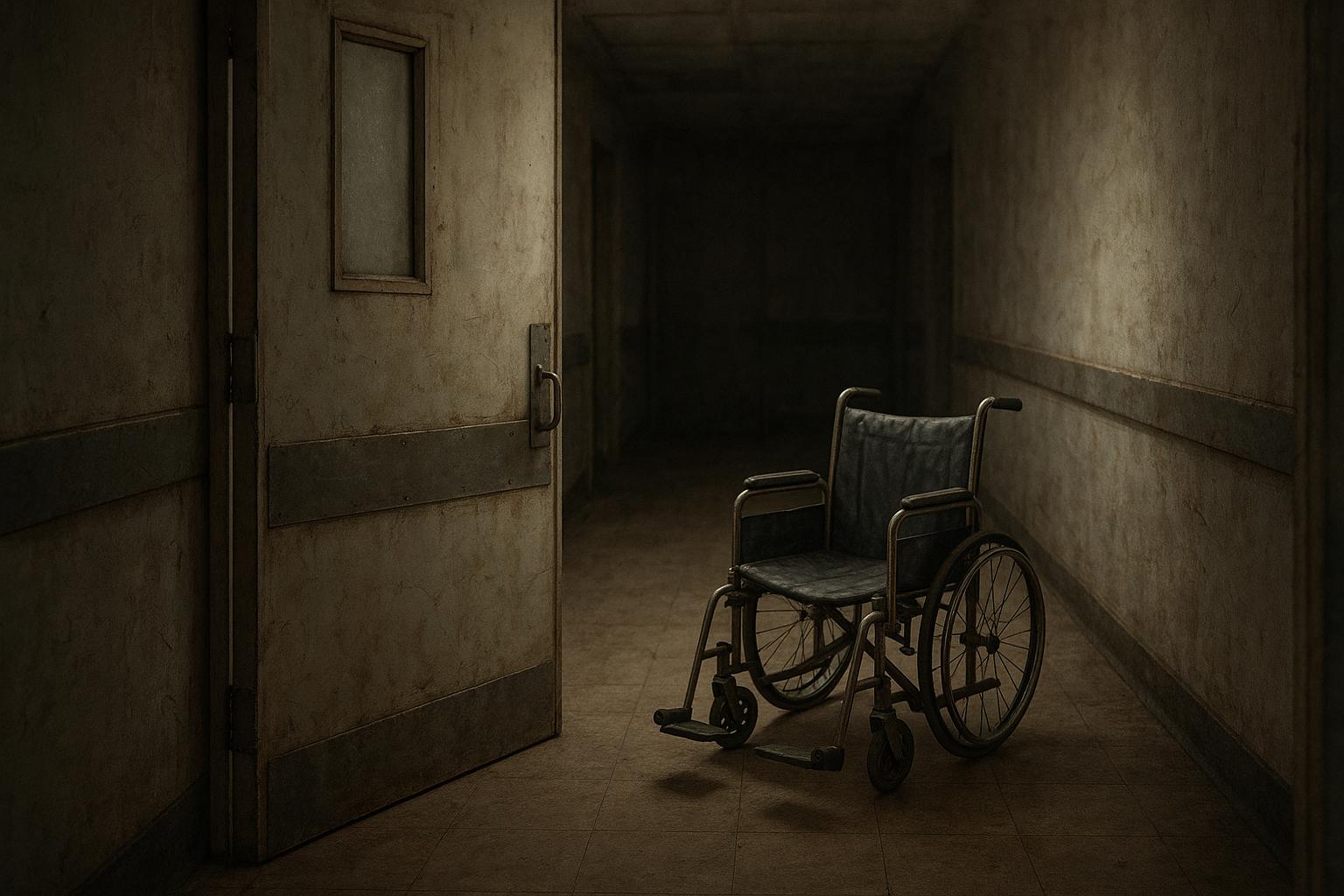
A new report reveals that one in five hospices in England face deficits exceeding £1 million, with many service cuts underway amid long-term financial instability despite recent government funding injections.
One in five hospices in England face a deficit exceeding £1 million, with many forced to cut services amid an escalating funding crisis that threatens the future of specialist palliative care. Recent data from Hospice UK reveals that 57% of hospices ended the 2024-25 financial year in deficit, although a slight dip in the overall deficit figure was attributed to an emergency £100 million government funding boost announced in late 2024. Despite this short-term reprieve, the sector continues to grapple with long-term financial instability.
Hospice UK’s chief executive, Toby Porter, highlighted the urgent need for full government funding of specialist palliative care in hospices, calling the current situation untenable. He said, “We’ve been ringing the alarm on hospice funding for some time, yet too many hospices are still struggling to cope with the rising cost of providing their essential care.” Porter warned that unless bold, sustained changes are implemented, hospice services would deteriorate even as demand surges due to an ageing population and national health policy pushing more care into community settings.

The organisation’s data illustrates a worrying trend: the proportion of hospices operating with deficits has increased steadily from 43% in 2022-23 to 62% in 2023-24. Despite government intervention, many hospices have had to make difficult decisions. Sixteen hospices have already enacted significant service cuts, with two in five planning further reductions in the current year. These measures include closing inpatient beds and limiting community care visits, which industry leaders warn undermines both patient choice and quality of end-of-life support.
The financial squeeze is driven largely by escalating payroll costs, which rose by about £130 million in 2023-24 alone, representing an 11% increase. This rise in staffing expenditure, combined with increasing demand for hospice care, has created an estimated sector-wide deficit of £77 million. Numerous hospices, such as Nottinghamshire Hospice, have reported multi-hundred-thousand-pound shortfalls and expressed concern that current government capital funding fails to cover operational staff costs adequately.
The impact on service users is stark. For example, in Cambridgeshire, Arthur Rank Hospice faces an £829,000 funding gap following the withdrawal of longstanding support from local hospitals. Local MPs have described the reduction as “devastating,” warning that it could lead to a 40% cut in hospice capacity, forcing more patients to die in hospital wards that lack the privacy and specialised care provided by hospices. Sharon Allen, the hospice’s chief executive, described the cuts as “truly heartbreaking,” emphasising the loss of patient comfort and dignity.
Reports indicate this crisis is more widespread. In London, St Christopher’s Hospice has seen an 11% rise in referrals and a 23% increase in community visits, stretching resources thin and underscoring the urgency of a funding review. Meanwhile, The Guardian and other outlets have documented a rise in hospice service reductions across the UK, from closing rooms to staff layoffs and scaling back community outreach, all symptomatic of an unsustainable reliance on donations and inadequate government contributions.
Government officials acknowledge the challenge. A Department of Health and Social Care spokesperson reaffirmed commitment through the 10 Year Health Plan aiming to shift care out of hospitals and into communities, alongside recent investments—including £100 million to enhance hospice facilities and £26 million for children and young people’s hospices. However, critics argue these measures are insufficient without systemic change in hospice funding models.
Hospice UK has proposed a four-point plan, urging full government funding of specialist services, robust NHS contracts for hospices, and provision for the cost of NHS pay rises affecting hospice staff. The organisation stresses the pressing nature of these reforms, particularly with assisted dying legislation potentially influencing patient choices. Hospice UK maintains a neutral stance on assisted dying but insists no one should feel compelled to end their life prematurely due to fears of inadequate care.
The crisis facing hospices underlines the fragility of palliative care provision in the UK. Without a long-term, sustainable funding solution, hospices risk further service cuts that could diminish the quality, availability, and compassion of end-of-life care precisely when it is needed most.
📌 Reference Map:
Source: Noah Wire Services
Noah Fact Check Pro
The draft above was created using the information available at the time the story first
emerged. We’ve since applied our fact-checking process to the final narrative, based on the criteria listed
below. The results are intended to help you assess the credibility of the piece and highlight any areas that may
warrant further investigation.
Freshness check
Score:
8
Notes:
The narrative presents recent data from Hospice UK, dated October 9, 2025, indicating that 57% of hospices ended the 2024-25 financial year in deficit, with one in five facing deficits exceeding £1 million. This aligns with previous reports from March 2025, highlighting ongoing financial challenges in the sector. The inclusion of updated figures and the call for full government funding of specialist palliative care suggest a timely and original report. However, the core issue of funding deficits in hospices has been a recurring topic in recent months. ([theguardian.com](https://www.theguardian.com/society/2025/mar/24/hospices-in-retreat-funding-crisis-squeezing-uk-palliative-care-providers?utm_source=openai)) The report cites data from Hospice UK, a reputable organisation, and includes direct quotes from its chief executive, Toby Porter, enhancing its credibility. The narrative also references specific examples of hospices facing financial difficulties, such as the 16 hospices that have already made significant service cuts and the two in five planning further reductions. These details provide a comprehensive and current overview of the situation.
Quotes check
Score:
9
Notes:
The direct quote from Toby Porter, “We’ve been ringing the alarm on hospice funding for some time, yet too many hospices are still struggling to cope with the rising cost of providing their essential care,” appears to be original and not found in earlier material. This suggests the report may contain exclusive content. However, without access to the full text of the earlier reports from March 2025, it’s challenging to confirm the originality of all quotes.
Source reliability
Score:
9
Notes:
The narrative originates from The Irish News, a reputable news outlet. It references data from Hospice UK, a well-established organisation in the sector, and includes direct quotes from its chief executive, Toby Porter. The inclusion of specific examples of hospices facing financial difficulties, such as the 16 hospices that have already made significant service cuts and the two in five planning further reductions, adds credibility to the report.
Plausability check
Score:
8
Notes:
The claims regarding the financial difficulties faced by hospices, including the reported deficits and service cuts, are consistent with previous reports from March 2025. The call for full government funding of specialist palliative care aligns with ongoing discussions in the sector. The narrative provides specific examples and quotes that support its claims, enhancing its plausibility.
Overall assessment
Verdict (FAIL, OPEN, PASS): PASS
Confidence (LOW, MEDIUM, HIGH): HIGH
Summary:
The narrative presents timely and original data on the financial challenges faced by hospices in England, including significant deficits and service cuts. It references reputable sources and includes direct quotes from Hospice UK’s chief executive, Toby Porter, enhancing its credibility. The report aligns with previous discussions on the topic, providing specific examples that support its claims. Overall, the narrative is credible and provides valuable insights into the current state of hospice funding.
