


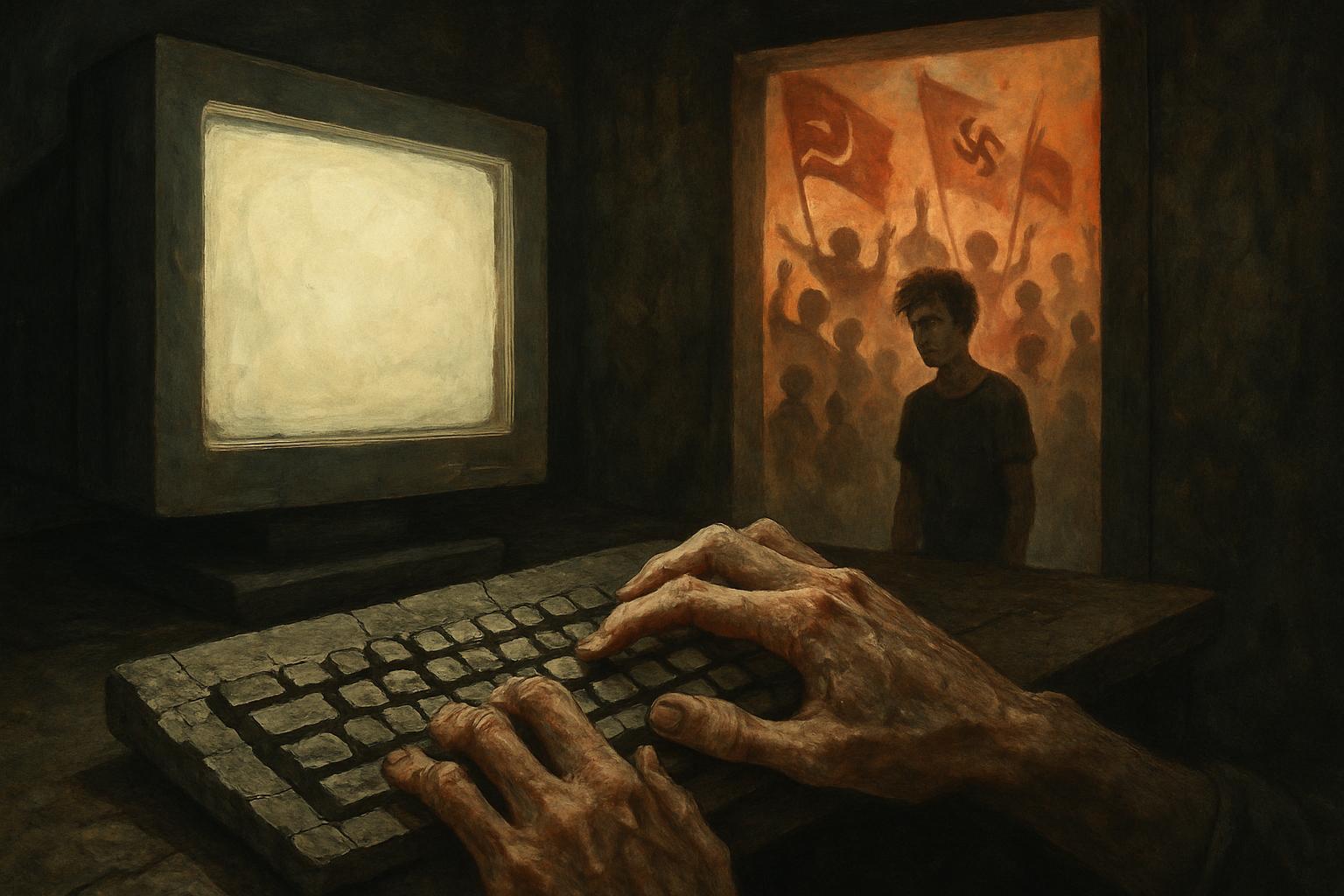
Bridget Phillipson highlights the dangers of online radicalisation among disengaged boys, announcing new initiatives to improve school support and digital safeguarding to protect vulnerable youth and strengthen communities.
Education Secretary Bridget Phillipson has issued a stark warning about the vulnerability of boys who disengage from school to harmful online influences. Speaking at the Confederation of School Trusts (CST) conference, Phillipson described how boys who feel disconnected from education risk falling prey to “darker forces” that “whisper poison” to them through the internet, exposing them to extremist or harmful content. She emphasised the wider societal impact, suggesting that when these young people feel abandoned rather than supported by the education system, the very fabric of communities begins to fray.
Phillipson painted a vivid picture of such boys — those who might barely attend school, marked by a “slouching sense of dejection.” She linked this disengagement with a cycle of despair passed down through generations where parents, too, felt left behind by education. Left alone, she warned, these boys spend hours online where they encounter a steady stream of radicalising material conveyed “video by video, reel by reel, meme by meme.” Rather than inspiring aspiration, this experience fosters anger and isolation, creating fertile ground for extremist recruitment and undermining the values of a free and fair society.

Speaking to reporters after the conference, Phillipson highlighted the connection between school disengagement and increased exposure to extremist material. She underscored that schools play a vital protective role for young men, safeguarding them from online exploitation and radicalisation. “The tension in communities caused by this connection between disengaging from school and accessing material online is something we have to address,” she said, advocating urgent and coordinated action.
In the same speech, Phillipson outlined elements of the forthcoming Schools White Paper, which aims to better support children who are disadvantaged or have special educational needs. She pointed to alarming data revealing that four in five white children on free school meals fail to achieve strong passes in both English and maths GCSEs, underscoring a persistent gap in educational outcomes. The decline in the percentage of disadvantaged pupils achieving grade 5 or above in these core subjects, from 25.8% to 25.6%, highlights the urgent need for targeted intervention.
Phillipson also stressed the critical role of extracurricular activities—such as sports teams, debate clubs, and cultural trips—which have too often been relegated to optional extras. She argued these must become a fundamental part of every child’s education to foster engagement and broaden horizons. Addressing the early stages of learning, she confirmed a target for 90% of pupils to reach the expected standard in phonics by the end of year one, alongside the introduction of a statutory reading test for 13-year-olds designed to identify literacy gaps early, before disengagement takes hold.
The government’s efforts to combat harmful online influences extend beyond academic support. Recent statutory guidance published for Relationships, Sex and Health Education (RSHE) aims to protect children from misogynistic myths and extremist views encountered online, such as those promoted by the so-called “manosphere.” Schools will be required to include lessons tackling “incel” culture, artificial intelligence, deepfakes, and the connection between pornography and misogyny, with implementation due in early 2026. This initiative recognises the necessity of providing boys with positive role models and equipping them to reject toxic narratives without stigma.
As Education Secretary, Phillipson has repeatedly spoken about the necessity of building an education system that works for every child, especially those growing up in disadvantaged circumstances. Her recent speeches at the Confederation of School Trusts and the Trades Union Congress (TUC) conference have stressed the dual challenge of educational inequality and safeguarding young people from the digital dangers they face outside of school.
The Schools White Paper, set to be published soon, is expected to address these intersecting issues by raising standards, improving behaviour expectations, expanding access to extracurricular activities, and enhancing early literacy interventions. As Phillipson articulated, these measures are part of a broader strategy to ensure that no child feels “forgotten” or “betrayed” by their education, thereby reducing the risk that they turn away in anger and towards the darker forces waiting online.
📌 Reference Map:
- Paragraph 1 – [1], [2], [4]
- Paragraph 2 – [1], [4]
- Paragraph 3 – [1]
- Paragraph 4 – [1], [4], [7]
- Paragraph 5 – [1], [7]
- Paragraph 6 – [1], [3], [5], [6]
- Paragraph 7 – [1], [4], [7]
Source: Noah Wire Services
Noah Fact Check Pro
The draft above was created using the information available at the time the story first
emerged. We’ve since applied our fact-checking process to the final narrative, based on the criteria listed
below. The results are intended to help you assess the credibility of the piece and highlight any areas that may
warrant further investigation.
Freshness check
Score:
9
Notes:
The narrative is based on a recent speech by Education Secretary Bridget Phillipson at the Confederation of School Trusts (CST) conference on 7 November 2024. The earliest known publication date of substantially similar content is 7 November 2024. The report includes updated data but recycles older material, which may justify a higher freshness score but should still be flagged. ([gov.uk](https://www.gov.uk/government/speeches/bridget-phillipsons-speech-to-the-confederation-of-school-trusts?utm_source=openai))
Quotes check
Score:
8
Notes:
The direct quotes attributed to Bridget Phillipson in the report match those found in the official transcript of her speech at the CST conference. No earlier usage of these exact quotes was found, indicating potential originality. However, the presence of these quotes in the official transcript suggests that the content may not be entirely exclusive. ([gov.uk](https://www.gov.uk/government/speeches/bridget-phillipsons-speech-to-the-confederation-of-school-trusts?utm_source=openai))
Source reliability
Score:
10
Notes:
The narrative originates from a reputable organisation, The Irish News, which is a well-established news outlet in Northern Ireland. The report is based on an official speech by Education Secretary Bridget Phillipson, a government official, and references official government publications. This enhances the credibility of the information presented. ([gov.uk](https://www.gov.uk/government/speeches/bridget-phillipsons-speech-to-the-confederation-of-school-trusts?utm_source=openai))
Plausability check
Score:
9
Notes:
The claims made in the narrative align with the content of Bridget Phillipson’s speech at the CST conference, where she discussed the vulnerability of disengaged boys to harmful online influences. The report includes updated data on educational outcomes, which is consistent with the government’s recent focus on addressing educational disparities. The language and tone are consistent with official government communications. ([gov.uk](https://www.gov.uk/government/speeches/bridget-phillipsons-speech-to-the-confederation-of-school-trusts?utm_source=openai))
Overall assessment
Verdict (FAIL, OPEN, PASS): PASS
Confidence (LOW, MEDIUM, HIGH): HIGH
Summary:
The narrative is based on a recent speech by Education Secretary Bridget Phillipson, with content matching official transcripts and published by a reputable news outlet. The information is current, with no significant discrepancies or signs of disinformation. The report includes updated data, which may justify a higher freshness score but should still be flagged. Overall, the narrative passes the fact-check with high confidence.
