


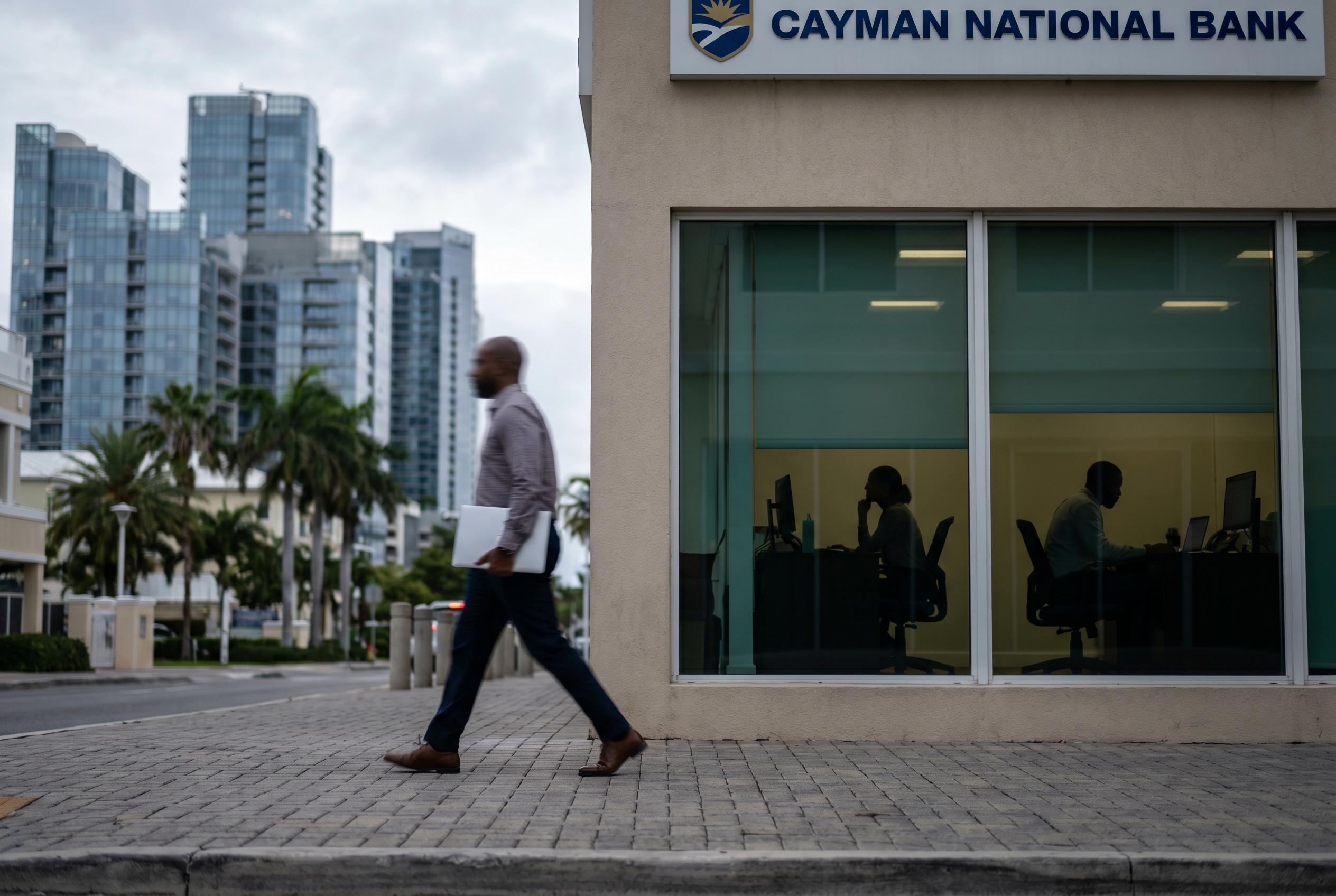
As competition intensifies and balance sheet pressures mount, fund finance lenders turn to Cayman-based securitisation for innovative capital management, with legal and structural considerations taking centre stage.
As balance sheet pressure grows and competition in private credit intensifies, fund finance lenders are increasingly looking to securitisation as a way to improve capital efficiency. According to the JD Supra article, capital call facility securitisation has moved from being a specialist experiment to a more established funding technique, allowing lenders to shift risk off balance sheet, release regulatory capital and tap a broader investor base. The same article notes that the approach is already being applied not only to subscription lines, but also to net asset value facilities, rated note platforms and other SPV-based structures.
Cayman Islands vehicles sit at the centre of much of this activity. The article explains that securitisation SPVs are commonly set up in the jurisdiction because its offshore structure supports pass-through economics and helps avoid unnecessary tax leakage. It also notes that notes issued by a Cayman SPV and listed on the Cayman Islands Stock Exchange may qualify for the UK Eurobond exemption, while non-petition clauses are generally recognised under Cayman law, reinforcing the bankruptcy-remote design that investors expect.

Yet the attraction of securitising capital call facilities lies not only in the structure, but in the quality of the underlying collateral. Ogier has previously stressed the importance of reviewing LPAs and side letters carefully, because the enforceability of capital call rights depends on the precise drafting of fund documentation. The JD Supra piece makes a similar point, highlighting that concentration risk can be significant where funds share sponsors or investors, and that pooling short-dated subscription lines into longer-dated securitisation notes requires careful attention to diversification, eligibility criteria and concentration limits.
That due diligence is especially important because the security package depends on the fund’s contractual right to demand capital and the investors’ obligation to pay it. The article says lenders typically look for first-priority security over LP commitments and related bank accounts, no material set-off or defence rights in the fund documents, and no jurisdictional obstacles to calling capital from investors. It also notes that while facility documentation may be governed by New York law in Cayman-based structures, questions of priority over the underlying capital call rights will still turn on Cayman law.
The broader legal literature on Cayman securitisation and subscription lines points to the same market logic: SPVs, well-defined eligibility tests and local-law diligence are doing more of the heavy lifting as private credit structures become more capital-markets oriented. The article suggests that standardisation is likely to increase as the market develops, alongside more refined rating approaches and, potentially, secondary trading. For now, however, the most important work still happens at the fund level, where Cayman practitioners remain central to making the assets financeable in the first place.
Source Reference Map
Inspired by headline at: [1]
Sources by paragraph:
Source: Noah Wire Services
Noah Fact Check Pro
The draft above was created using the information available at the time the story first
emerged. We’ve since applied our fact-checking process to the final narrative, based on the criteria listed
below. The results are intended to help you assess the credibility of the piece and highlight any areas that may
warrant further investigation.
Freshness check
Score:
8
Notes:
The article was published on May 1, 2026, indicating recent content. However, similar discussions on capital call facility securitisation in the Cayman Islands have been present in JD Supra since at least November 2024 ([jdsupra.com](https://www.jdsupra.com/legalnews/location-location-location-december-6878629/?utm_source=openai)). This suggests that while the specific focus on ‘cure mechanics’ is new, the broader topic has been covered previously.
Quotes check
Score:
7
Notes:
The article does not contain direct quotes. It references previous works by Cadwalader, Wickersham & Taft LLP, such as the November 2024 piece ([jdsupra.com](https://www.jdsupra.com/legalnews/location-location-location-december-6878629/?utm_source=openai)). This indicates that the content may be derivative, summarising or expanding upon earlier publications.
Source reliability
Score:
9
Notes:
JD Supra is a reputable platform for legal insights, and Cadwalader, Wickersham & Taft LLP is a well-established law firm. However, the article is authored by a member of the firm, which may introduce potential bias. The content appears to be a direct publication without external verification.
Plausibility check
Score:
8
Notes:
The article discusses the securitisation of capital call facilities under Cayman law, a topic that aligns with recent trends in fund finance. However, the specific focus on ‘cure mechanics’ in this context is not widely covered elsewhere, raising questions about the novelty and independent verification of this claim.
Overall assessment
Verdict (FAIL, OPEN, PASS): FAIL
Confidence (LOW, MEDIUM, HIGH): MEDIUM
Summary:
The article presents recent insights into the securitisation of capital call facilities under Cayman law, focusing on ‘cure mechanics.’ While the content is recent and the source is reputable, the lack of independent verification and potential derivation from earlier works raises concerns about its originality and reliability. The specific focus on ‘cure mechanics’ has limited coverage elsewhere, further questioning the novelty and independent verification of this claim. Given these factors, the content does not meet the necessary standards for publication under our editorial indemnity.
