


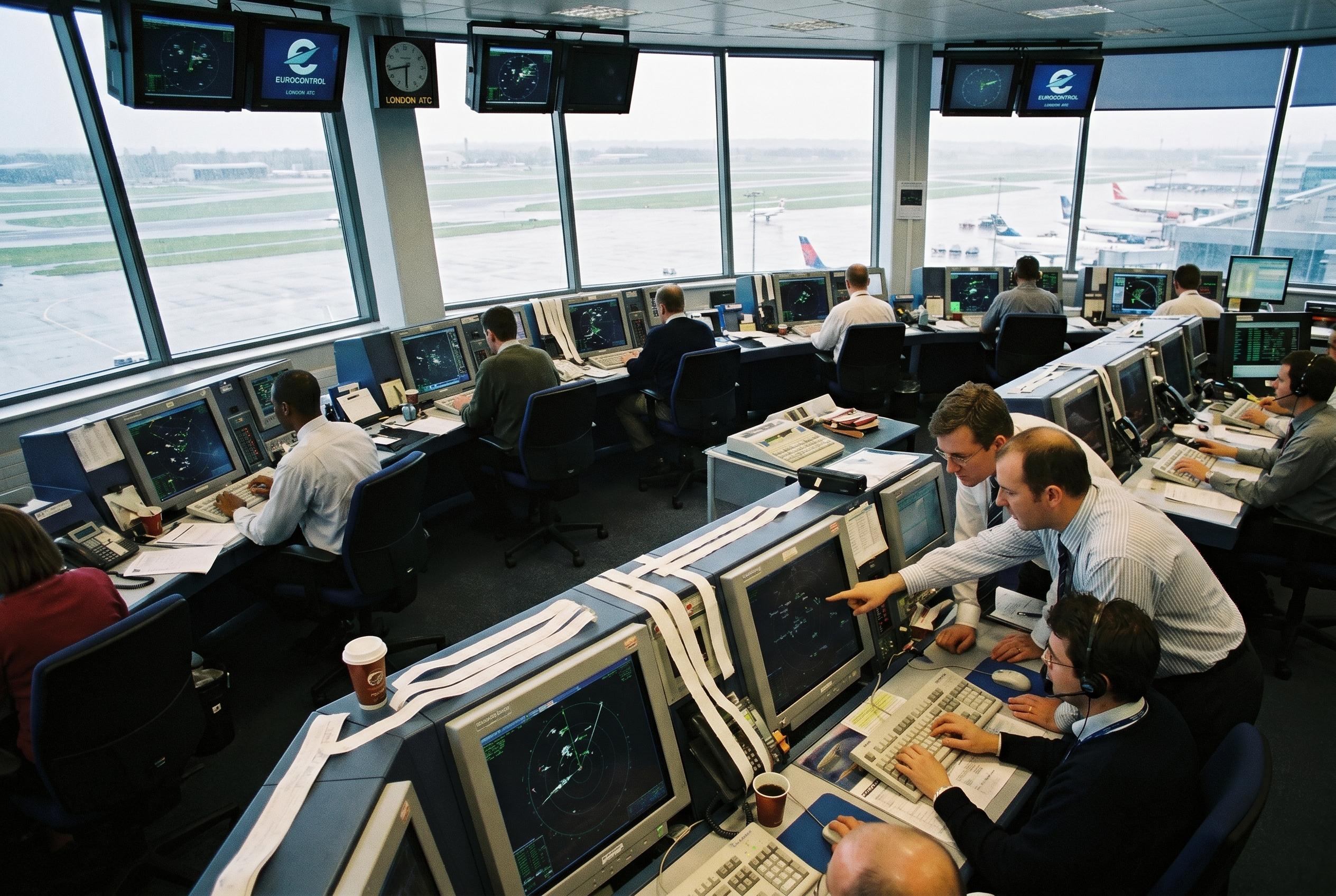
The European DIALOG project is developing a ‘Teamwork Assistant’ to support air traffic controllers through real-time inference of intent and workload, promoting safer, more efficient skies without replacing human decision-making.
The European DIALOG project is exploring a deceptively simple idea: that artificial intelligence in air traffic control should behave less like a replacement and more like a dependable colleague. Coordinated by SINTEF and backed by EU research funding through the SESAR 3 Joint Undertaking, the initiative is building a “Teamwork Assistant” intended to support controllers rather than take decisions away from them. According to the project partners, the system is being designed to infer intent, track workload and respond to the controller’s needs in real time.
That ambition matters because aviation is one of the most demanding environments in which to introduce automation. As traffic grows and pressure rises to cut emissions, AI tools are being looked at for route optimisation, lower fuel burn and better use of airspace. But the DIALOG team argues that safety-critical operations depend on trust, transparency and human authority. The project’s central premise is that controllers must understand what the digital assistant is doing, be able to override it instantly and remain accountable for the final call.

The technical work is built around speech recognition, analysis of pilot-controller exchanges and machine-learning methods that assess attention and workload from voice, physiological signals and behavioural cues, according to SINTEF and the SESAR project pages. In practical terms, the assistant is meant to adapt to the controller’s state, the traffic picture and the wider operational context, rather than forcing staff to adapt to the machine’s logic. The aim is to preserve situational awareness while easing repetitive tasks that can drain focus over long shifts.
In March 2026, the project reached an important validation stage when Deep Blue led simulation exercises with licensed air traffic controllers in realistic test conditions. The early feedback, as described by the project, was positive: controllers said the assistant helped them stay oriented and reduce fatigue during routine work, while leaving them freer to concentrate on higher-risk decisions. The broader goal is not automation for its own sake, but a model of human-AI teaming that can support safer, more efficient airspace management and, in turn, contribute to lower-emissions flying.
Source Reference Map
Inspired by headline at: [1]
Sources by paragraph:
Source: Noah Wire Services
Noah Fact Check Pro
The draft above was created using the information available at the time the story first
emerged. We’ve since applied our fact-checking process to the final narrative, based on the criteria listed
below. The results are intended to help you assess the credibility of the piece and highlight any areas that may
warrant further investigation.
Freshness check
Score:
8
Notes:
The article was published on 1st May 2026, which is recent. However, the DIALOG project has been ongoing since 2024, and the information about the project has been available for some time. The article provides a summary of existing information without introducing new developments, which may affect its freshness score.
Quotes check
Score:
7
Notes:
The article does not include direct quotes. While this avoids potential issues with unverifiable or reused quotes, the lack of direct attribution makes it difficult to assess the originality and reliability of the information presented.
Source reliability
Score:
6
Notes:
The article is sourced from the Innovation News Network, which is a niche publication. While it provides references to reputable sources like SINTEF and SESAR, the publication itself is not widely recognized, which may affect the perceived reliability of the information.
Plausibility check
Score:
8
Notes:
The claims made in the article align with known information about the DIALOG project and its objectives. However, the article does not provide new or independently verified details, which limits the ability to fully assess the plausibility of the claims.
Overall assessment
Verdict (FAIL, OPEN, PASS): FAIL
Confidence (LOW, MEDIUM, HIGH): MEDIUM
Summary:
The article provides a summary of existing information about the DIALOG project without introducing new developments or independently verified details. The reliance on secondary sources and the lack of direct quotes or independent verification sources raise concerns about the originality and reliability of the content. Given these factors, the article does not meet the necessary standards for publication under our editorial indemnity.
