


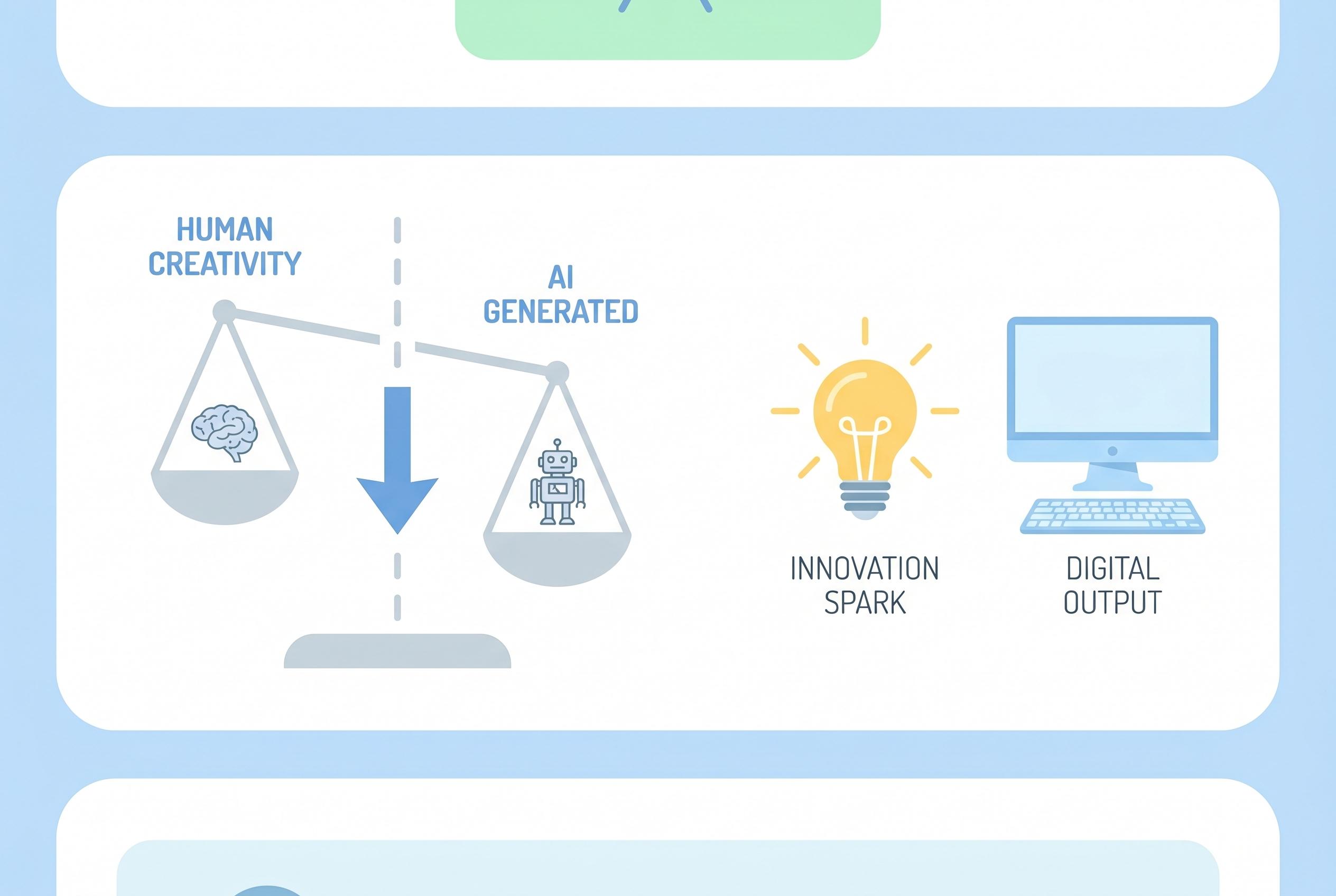
Hachette Book Group has pulled Mia Ballard’s ‘Shy Girl’ from publication after allegations of AI involvement sparked widespread criticism, highlighting the growing legal and ethical challenges in AI-authored literary works.
Hachette Book Group has pulled “Shy Girl”, a horror novel by Mia Ballard, from its publication schedule after concerns surfaced that artificial intelligence may have been used in its creation. According to reports in TechCrunch and The Guardian, the book had been due for release in the US this spring and was also withdrawn from the UK market after an internal review. Ballard, meanwhile, says she did not personally use AI to write the novel and has blamed an acquaintance who worked on an earlier self-published version.
The dispute grew out of online criticism that began on Reddit and spread across BookTok, Instagram and YouTube, where readers highlighted what they saw as a mechanical, repetitive style. Those claims centred on patterns such as over-modified nouns, heavy use of similes and repeated phrasing, although no consensus has emerged on how much of the book was machine-assisted. Ballard has said the row has taken a severe toll on her mental health, and multiple reports say she is considering legal action.

The controversy matters because it lands at a moment when publishing is increasingly confronting the gap between suspicion and proof. The book was first self-published in February 2025 before being taken up by Orbit, reflecting a wider trend in which successful independent titles are later bought by major houses. Yet the reaction to “Shy Girl” suggests that even the allegation of AI use can become commercially fatal, especially when readers believe a work may have been presented as wholly human-made.
There is also a legal dimension. The article’s author notes that in the US, copyright depends on human authorship, which may help explain why Hachette opted to withdraw the novel rather than defend it publicly. In the UK, by contrast, computer-generated works can attract copyright protection, though not the same moral rights as human-authored books. That makes the position more ambiguous, and it helps explain why publishers, authors and readers are likely to see more disputes like this as AI tools become harder to detect and easier to use. The Society of Authors has already responded by launching a “human-authored” logo, a sign that the industry may move towards clearer labelling as it tries to rebuild trust.
Source Reference Map
Inspired by headline at: [1]
Sources by paragraph:
Source: Noah Wire Services
Noah Fact Check Pro
The draft above was created using the information available at the time the story first
emerged. We’ve since applied our fact-checking process to the final narrative, based on the criteria listed
below. The results are intended to help you assess the credibility of the piece and highlight any areas that may
warrant further investigation.
Freshness check
Score:
10
Notes:
The article is current, reporting on events from March 2026, with no evidence of recycled or outdated information.
Quotes check
Score:
8
Notes:
Direct quotes from Mia Ballard and Hachette Book Group are consistent across multiple reputable sources. However, the exact wording of some quotes varies slightly between sources, which may indicate paraphrasing or slight alterations.
Source reliability
Score:
9
Notes:
The article cites reputable sources such as TechCrunch and The Guardian, which are known for their journalistic integrity. However, some sources like AIToolly and Mugglehead Investment Magazine are less established and may not be as reliable.
Plausibility check
Score:
9
Notes:
The events described align with known industry concerns about AI-generated content. The timeline and details are consistent with other reports. However, the lack of specific evidence regarding the extent of AI involvement in ‘Shy Girl’ leaves some uncertainty.
Overall assessment
Verdict (FAIL, OPEN, PASS): PASS
Confidence (LOW, MEDIUM, HIGH): MEDIUM
Summary:
The article provides a timely and well-sourced account of Hachette Book Group’s withdrawal of ‘Shy Girl’ due to AI concerns. While most information is corroborated by reputable sources, slight variations in quoted material and the involvement of less established sources introduce some uncertainty. Further independent verification is recommended to enhance confidence in the report’s accuracy.
