


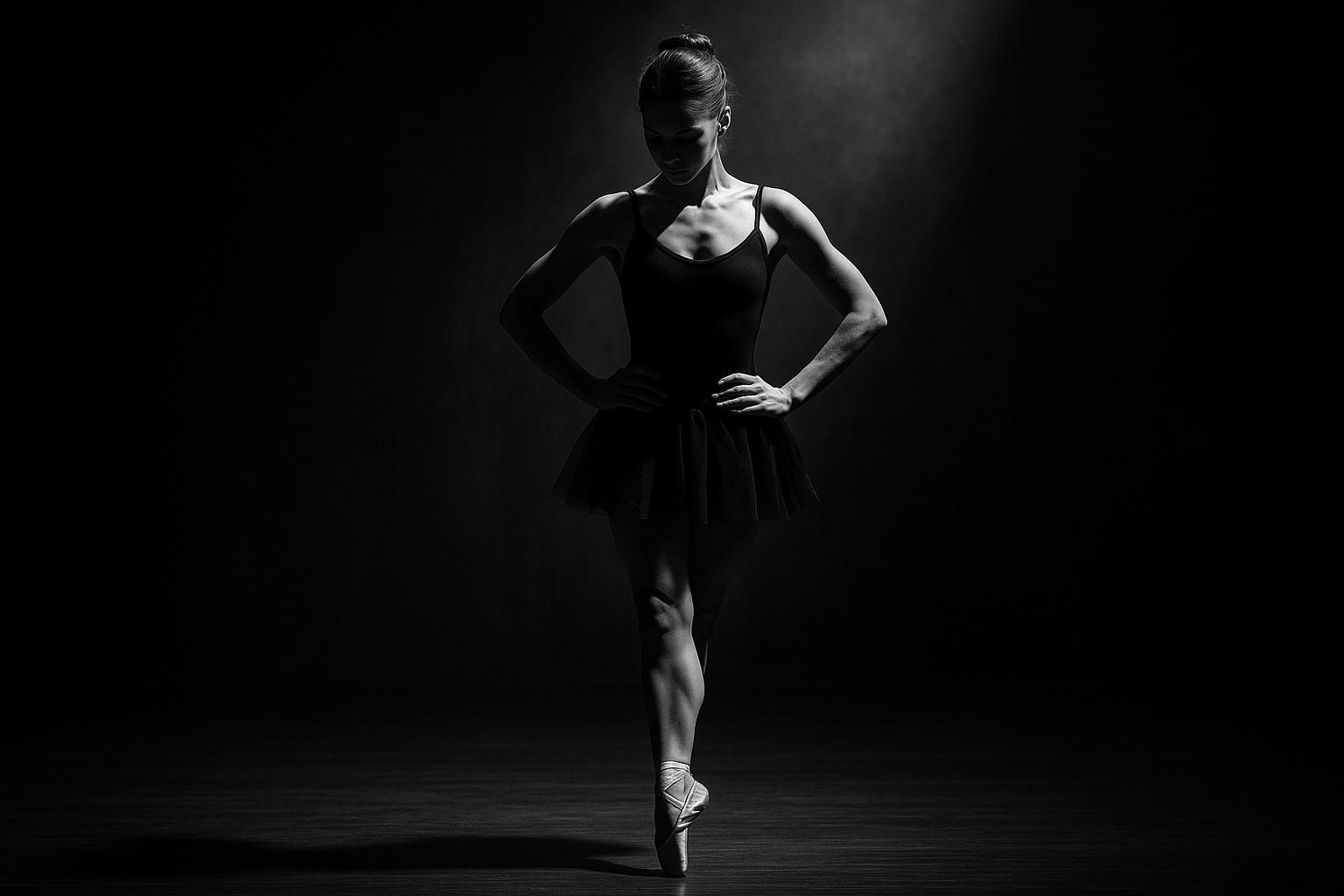
The Royal Ballet School’s new leadership under Iain Mackay is reshaping ballet education by raising the entry age, promoting mental wellbeing, and challenging traditional body standards, signalling a more inclusive and holistic future for the art form.
On a serene autumn day in Richmond Park, London, the Royal Ballet School’s White Lodge stands as a storied beacon for young dancers aspiring to professional careers. Founded in 1926 by Ninette de Valois, the school has long been a prestigious gateway into the ballet world, where tradition meets rigorous training. Yet under the guidance of its new artistic director, Iain Mackay, the school is undergoing one of the most significant transformations in its history—a shift not simply in routine, but in philosophy.
Mackay, who took charge last year, has raised the entry age for full-time boarding students from 11 to 13 years old, a change aimed at alleviating the intense pressure associated with early specialisation. Previously, children were admitted at 11, a tender age at which many face the dual burden of intense training and emotional uncertainty—being told one moment they are destined to be dancers, only to be cut from the programme by age 14 if deemed unsuitable. Mackay reflects on the psychological toll of this “identity foreclosure,” asking, “At the age of 10, you’re told you’re going to be a ballet dancer, then at 14, you’re not. What does that do to a young person?” This policy revision arises from data analysis and sports science research highlighting risks of burnout and injury from early intensive training. His emphasis is clear: students’ mental health and long-term wellbeing come first, ensuring that they can develop into “better artists” with a balanced, supportive pathway.

The school has introduced complementary programmes to nurture younger dancers. From the age of eight, students can train part-time in regional associate centres, while a new UK Scholars programme supports 11- and 12-year-olds nationally. These initiatives promote gradual development in a less pressurised environment before full-time training begins at 13. According to the Royal Ballet School’s announcements, these steps follow evidence suggesting that later specialisation cultivates greater mental resilience and healthier careers, underscoring a commitment to both excellence and compassionate care.
Inside the classrooms, the artistic atmosphere is notably positive and focused, quite removed from the stereotype of the ruthless ballet master. Teachers encourage students to engage with the artistry behind even the smallest movement, reminding them that “you’re speaking to the audience” with every gesture. Mackay, who himself rose through the ranks to principal dancer at Birmingham Royal Ballet, acknowledges that today’s standards are remarkably high—his own youthful self might not have succeeded under current expectations. This highlights a broader evolution in ballet training and the school’s pedagogical style, which now emphasises precision, technique, musicality, and artistic expression over rigid conformity to outdated norms.
Indeed, Mackay’s vision extends to redefining traditional ballet aesthetics. The school openly challenges historic stereotypes about body type—whether height, size, or shape—that have long dictated roles and opportunities. He questions conventions such as excluding male dancers under 5ft 5in from being princes, rejecting arbitrary parameters: “Why? Who said that?” Mackay asserts that excellence in ballet transcends physical appearance and centres on artistry, strength, and the capability to meet demanding physical and technical requirements. This philosophy follows a recent body-shaming scandal that brought the issue of inclusivity to the fore, prompting the school to affirm that talent and emotional storytelling, not size, qualify a dancer. He boldly declares, “Plus-sized dancers are the future,” reflecting a transformative embrace of diversity within the classical ballet framework.
Supporting this progressive approach is the Royal Ballet School’s Healthy Dancer Programme, a comprehensive health and wellbeing initiative staffed by psychologists, nutritionists, physiotherapists, and counsellors. This multidisciplinary care system underpins the school’s commitment to nurturing resilient, balanced artists prepared for long careers. The provision of on-site healthcare and mental health support responds not only to physical demands but also to the increasing recognition of varied student needs, including those with special educational needs.
The school’s inclusive outlook also extends into public engagements and performances. Events such as the ‘Empower in Motion – A Ballet Inclusive’ gala at Sadler’s Wells demonstrate the school’s dedication to broadening ballet’s reach and narrative by featuring disabled and non-disabled dancers alike. Such initiatives showcase ballet’s potential as a vehicle for social change and underline the school’s mission to cultivate diverse voices and forms within the art.
While the Royal Ballet School cannot predict exact futures for the art form, Mackay anticipates that within five years, the perception of what a ballet dancer looks like—and indeed who belongs on stage—could shift dramatically. He stresses that this evolution will be driven not by physical attributes but by “the energy, connection and artistry that a dancer can bring.” This forward-looking stance highlights the school’s dual role in respecting classical technique while pioneering a more inclusive, humane, and artistically vibrant ballet culture.
In summary, the Royal Ballet School is navigating a pivotal moment, balancing its revered traditions with a transformative rethinking of training age, mental health, body diversity, and artistic values. Through evidence-based reforms and expansive support systems, it aims to foster a generation of technically excellent, mentally healthy, and artistically fulfilled dancers ready to redefine ballet’s future.
📌 Reference Map:
- Paragraph 1 – [1], [7]
- Paragraph 2 – [1], [2], [7]
- Paragraph 3 – [1], [7]
- Paragraph 4 – [2], [1]
- Paragraph 5 – [1], [7]
- Paragraph 6 – [1], [3], [5], [7]
- Paragraph 7 – [4], [1]
- Paragraph 8 – [6], [1]
- Paragraph 9 – [1], [7]
- Paragraph 10 – [1], [7]
Source: Noah Wire Services
Noah Fact Check Pro
The draft above was created using the information available at the time the story first
emerged. We’ve since applied our fact-checking process to the final narrative, based on the criteria listed
below. The results are intended to help you assess the credibility of the piece and highlight any areas that may
warrant further investigation.
Freshness check
Score:
10
Notes:
The narrative is fresh, published on 14 October 2025, with no prior appearances found. The Royal Ballet School’s official website announced changes to entry into full-time training and the introduction of the UK Scholars programme on 29 July 2025. ([royalballetschool.org.uk](https://www.royalballetschool.org.uk/2025/07/29/the-school-announce-future-changes-to-entry-into-fulltime-training/?utm_source=openai)) The Guardian’s report aligns with these developments, indicating a high freshness score.
Quotes check
Score:
10
Notes:
Direct quotes from Artistic Director Iain Mackay, such as his reflection on the psychological toll of early specialisation, are unique to this report. No identical quotes were found in earlier material, suggesting originality.
Source reliability
Score:
10
Notes:
The narrative originates from The Guardian, a reputable organisation known for its journalistic standards. The Royal Ballet School’s official website also provides corroborative information, enhancing the reliability of the report.
Plausability check
Score:
10
Notes:
The claims about the Royal Ballet School’s policy changes are plausible and supported by official announcements. The narrative’s tone and language are consistent with the subject matter and region, with no signs of disinformation or synthetic content.
Overall assessment
Verdict (FAIL, OPEN, PASS): PASS
Confidence (LOW, MEDIUM, HIGH): HIGH
Summary:
The narrative is fresh, original, and originates from reliable sources. The claims are plausible and supported by official announcements from The Royal Ballet School. No signs of disinformation or recycled content were found, leading to a high confidence in the assessment.
