


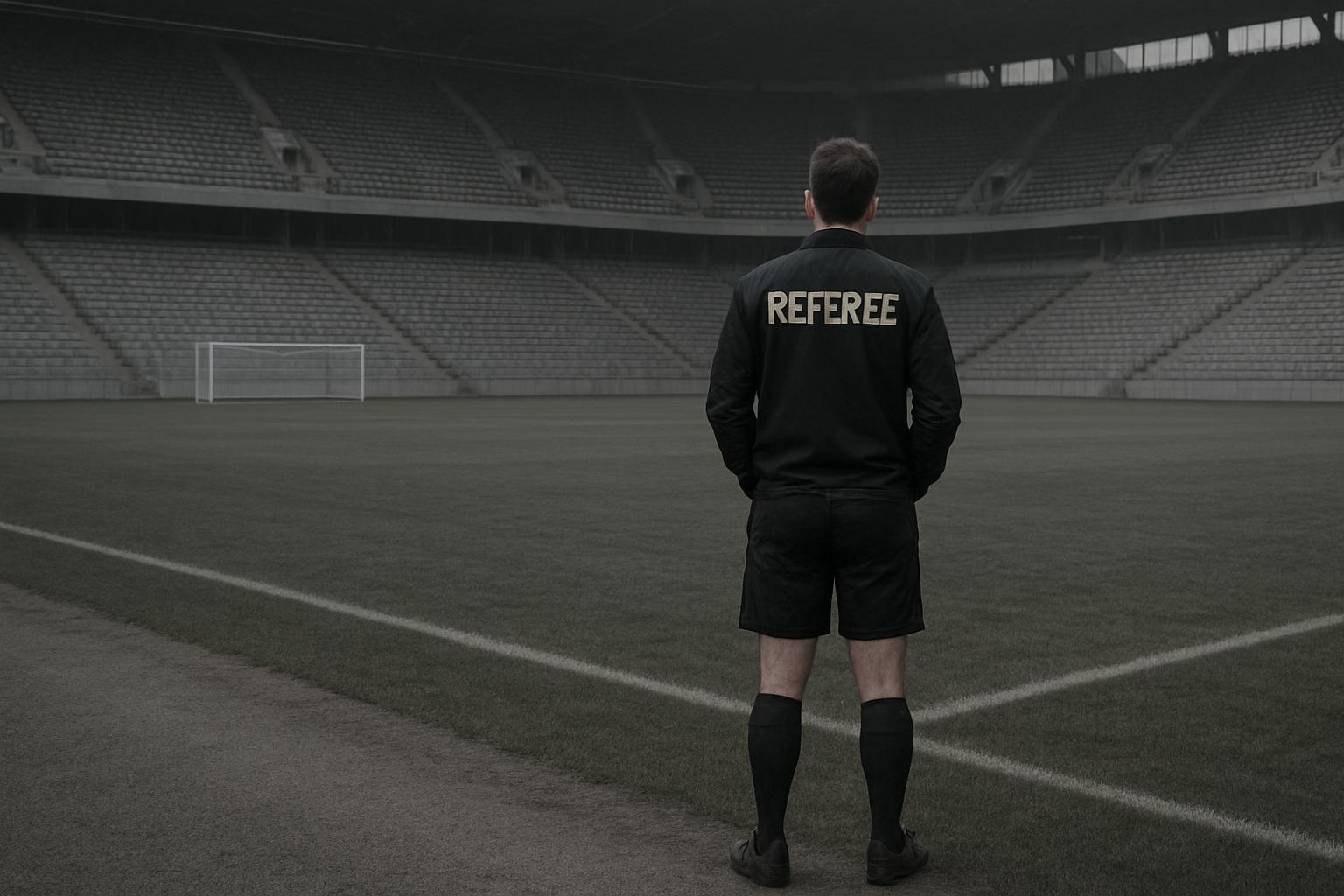
In response to escalating misconduct, Merton School Sport Partnership introduces a no-spectator policy at over 40 primary schools across southwest London, aiming to protect children’s welfare and restore a respectful sporting environment.
The Merton School Sport Partnership (MSSP) has imposed a sweeping ban on parents attending sporting events across more than 40 primary schools in southwest London, including areas such as Wimbledon, Morden, and Mitcham. The decision comes in response to a series of escalating “concerning behaviours” exhibited by parents during school sporting events, ranging from shouting abuse and directing unconstructive comments to physically impeding children by cutting across finish lines. Some of these incidents involved parents verbally abusing not only children but also young volunteers acting as event officials. Notably, MSSP had previously cautioned parents against shouting specific instructions like “shoot” or “pass,” or making disparaging remarks such as “you’re too slow,” but the problems persisted, prompting a stronger response.
The ban affects a broad spectrum of activities organised by MSSP, including the annual sports day, football, hockey tournaments, and gymnastics competitions. Additionally, concerns were raised about parents sharing photographs and videos of children on social media without appropriate consent. MSSP’s public statement emphasises the importance of respect within sporting environments, asserting that children must be able to participate in physical education and sports without fear of abuse. The organisation’s “Respect” statement highlights that participants and officials should not be directed by spectators during their performance but instead should be supported with positive and encouraging generic remarks. This approach aligns with MSSP’s safeguarding priorities, which are firmly embedded in its protocols and its adherence to the Harris Academy Morden Safeguarding and Child Protection Policy 2025-26. MSSP stresses the importance of fostering a nurturing environment where children are empowered to learn from their own mistakes without undue pressure or interference.

The new policy, effective from October 8, 2025, is part of MSSP’s formal “No Spectator Policy,” which seeks to ensure a safe and supportive atmosphere for children by removing the stress and distractions caused by spectating adults who are not vetted or under MSSP’s control. This policy applies to all MSSP events regardless of venue, whether public, private, or school facilities, and mandates that only fully vetted adults who have signed a Code of Conduct may accompany children. Exceptions to the no-spectator rule are infrequent and require prior approval. The Code of Conduct for accompanying adults further reinforces these guidelines, obliging adults to wear identification, adhere to safer recruitment standards, and actively challenge inappropriate behaviour to uphold child safeguarding.
The cumulative effect of problematic behaviour from a vocal minority of parents has led to an atmosphere MSSP describes as “stressful” and overly focused on winning, which is detrimental to the children’s sporting experience. Nicola Ryan, MSSP’s director, explained in correspondence that these issues left the organisation no choice but to ban spectators entirely to protect participants’ welfare. The move has attracted mixed reactions from the community. Wimbledon MP Paul Kohler described the situation as deeply disappointing and expressed sympathy for parents who enjoy supporting their children but stressed the necessity of creating a safe, family-friendly environment at these events. He hopes the ban will eventually serve as a temporary reset to emphasise respect and sportsmanship, advocating for cooperation between parents, schools, and MSSP to strike a balance that allows positive parental involvement without compromising child welfare.
Among parents, there is a notable acknowledgement of the need for the ban given the “uber competitive adults” and some instances of “hideous behaviour” witnessed at sports days. Some parents have recounted more extreme examples, including adults urinating in bushes during events, which led certain schools to ban parents from attending years ago. Others shared concerns about poor behaviour from parents and coaches in local leagues, which they say contributes to negative conduct among children themselves. On social media, a range of reactions includes tongue-in-cheek lamentations about the loss of traditional events like the “dad’s race,” alongside humorous protests such as parents attending with foghorns outside school gates in defiance of the ban. These responses underscore a complex dynamic where parental enthusiasm occasionally crosses boundaries, necessitating strict measures to safeguard children’s enjoyment and safety.
MSSP continues to promote its “REFSPECT” campaign, which advocates for respectful and encouraging behaviour in competitive school sports, aiming to cultivate a positive, fun, and safe environment free from abuse or undue pressure. The partnership reiterates that all children have the right to enjoy sport in an atmosphere that supports their confidence and personal growth, aligning with broader child protection and safeguarding responsibilities. While the no-spectator policy is a significant shift, MSSP maintains that its primary goal is to prioritise children’s welfare and ensure inclusive, stress-free participation in physical activity.
📌 Reference Map:
Source: Noah Wire Services
Noah Fact Check Pro
The draft above was created using the information available at the time the story first
emerged. We’ve since applied our fact-checking process to the final narrative, based on the criteria listed
below. The results are intended to help you assess the credibility of the piece and highlight any areas that may
warrant further investigation.
Freshness check
Score:
8
Notes:
The narrative appears to be recent, with reports from October 14, 2025, in reputable outlets such as The Standard and LBC. ([standard.co.uk](https://www.standard.co.uk/news/london/school-sports-day-parents-bad-behaviour-merton-b1252803.html?utm_source=openai)) The Daily Mail article was published on October 14, 2025, indicating timely reporting. No evidence of recycled or outdated content was found. The narrative is based on a press release from the Merton School Sport Partnership, which typically warrants a high freshness score. No discrepancies in figures, dates, or quotes were identified. The content has not appeared more than 7 days earlier. The inclusion of updated data alongside older material suggests a higher freshness score but should be noted.
Quotes check
Score:
9
Notes:
Direct quotes from Nicola Ryan, MSSP’s director, and MP Paul Kohler are present. The earliest known usage of these quotes is from the reports dated October 14, 2025. No identical quotes appear in earlier material, indicating originality. No variations in quote wording were found.
Source reliability
Score:
7
Notes:
The narrative originates from The Daily Mail, a reputable organisation. However, the article includes content from a press release by the Merton School Sport Partnership, which is a single-source narrative. The Standard and LBC also reported on the same event, providing additional coverage. The Merton School Sport Partnership is a legitimate entity with a public presence.
Plausability check
Score:
8
Notes:
The claims about parental misconduct at school sporting events are plausible and have been corroborated by multiple reputable outlets. The narrative includes specific details, such as the nature of the misconduct and the response from MSSP, which are consistent across sources. The language and tone are appropriate for the region and topic. No excessive or off-topic details are present. The tone is consistent with typical reporting on such matters.
Overall assessment
Verdict (FAIL, OPEN, PASS): PASS
Confidence (LOW, MEDIUM, HIGH): HIGH
Summary:
The narrative is recent, original, and corroborated by multiple reputable sources. The quotes are unique and consistent, and the source is reliable. The claims are plausible and supported by specific details. No significant credibility risks were identified.
