



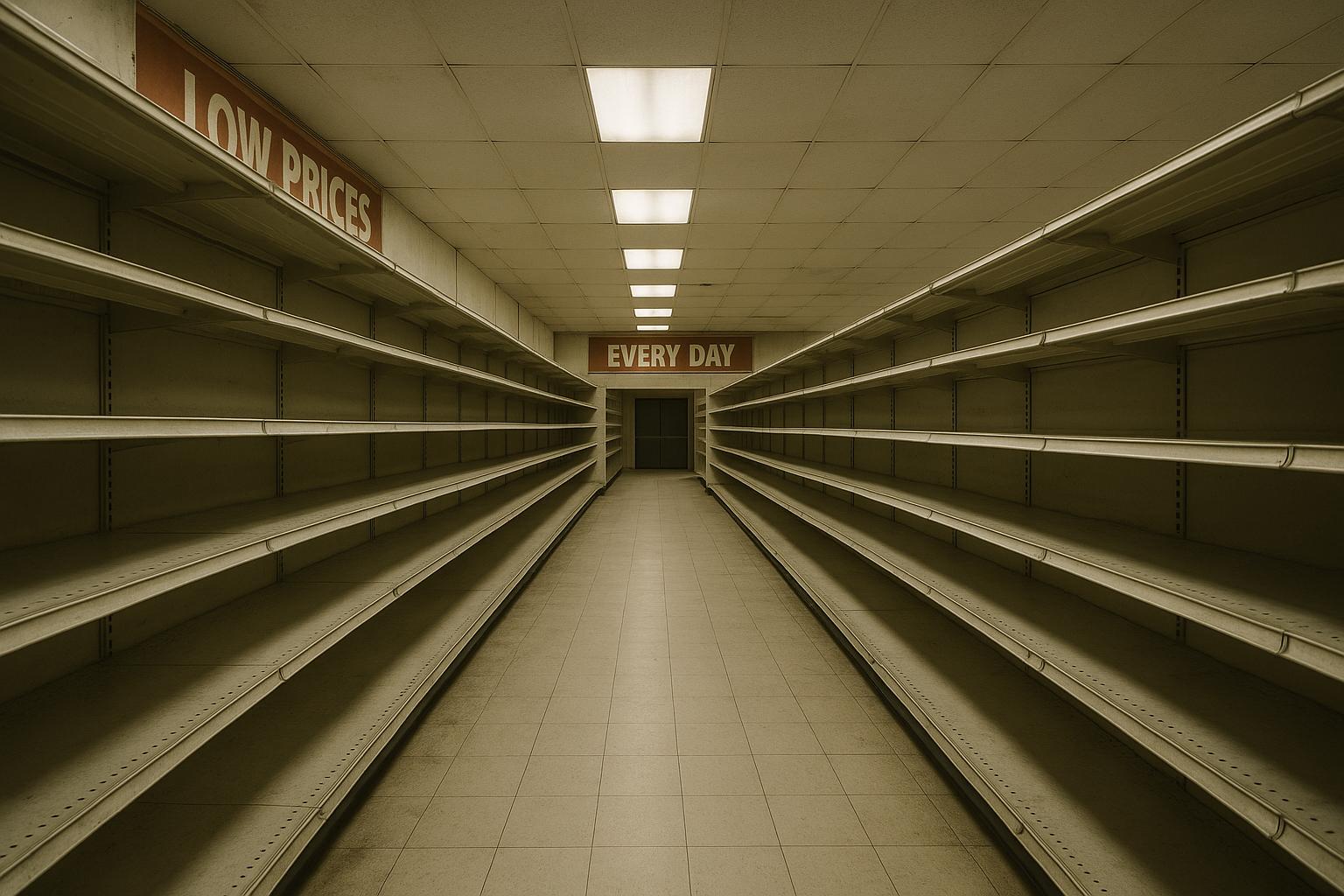
Leading UK supermarket chains have collectively appealed to the government to exclude large retail stores from imminent business rate increases, warning that the hikes could trigger store closures, job losses, and further food inflation during a cost of living crisis.
Britain’s largest supermarket chains have collectively appealed to Chancellor Rachel Reeves to exempt them from proposed increases in business rates slated to be confirmed in next month’s Budget. Executives from nine major grocers—including Tesco, Asda, Aldi, Morrisons, Sainsbury’s, and Marks & Spencer—have voiced concerns that higher business rates on large retail properties could fuel further food inflation, threaten jobs, and destabilise town centres. The letter, coordinated by the British Retail Consortium (BRC), emphasises that these large stores are crucial employers, supporting nearly one million jobs, and act as key “anchor” tenants that draw customers to nearby smaller shops.
The grocers argue that the planned surtax on commercial properties valued over £500,000 would disproportionately hurt retail businesses, which already pay a significant share of business rates relative to their size. They propose that the government instead raise rates on large offices, warehouses, and banks, which would not impact essential community retail services or exacerbate the cost of living pressures. Such an approach, they suggest, would not increase the burden on taxpayers but would maintain support for frontline retail employment and investment across the UK.
This plea comes amid mounting financial pressures in the sector. Retailers are collectively grappling with an estimated £7 billion in increased annual costs following last year’s Budget, which raised National Insurance contributions, lowered thresholds, and boosted the national living wage. According to a BRC survey of over 9,000 stores, 85% have already increased prices, and 65% anticipate further increases in the near term. Food inflation has been especially acute, reaching 6% by mid-year, further straining household budgets.
Industry leaders warn that the additional burden of higher business rates could force some large stores into closure. The BRC has cautioned that up to 400 large UK stores—encompassing supermarkets and department stores—might shut their doors if the government proceeds with the tax hike without exemptions. This could result in up to 100,000 job losses and potentially deprive local councils of over £100 million in annual business rates revenue due to reduced retail activity. Data indicates that major chains like Sainsbury’s and Tesco could see dozens of their larger stores slip into unprofitability under the new rates, despite these companies having reported strong profits in recent years.
Tesco’s chief executive Ken Murphy, a signatory to the letter, publicly declared “enough is enough,” illustrating the sector’s frustration with consecutive cost increases from government policy. He and other retail leaders stress that these tax hikes risk inflating food prices further, which would exacerbate the ongoing cost of living crisis affecting millions of households.
Notably, the Co-op’s leadership chose not to sign the letter, highlighting a divergence within the retail community. Co-op chief Shirine Khoury-Haq warned against protecting large businesses at the expense of smaller shopkeepers, cautioning that 60,000 small retailers and 150,000 jobs could be lost without meaningful reforms targeted at all sizes of retail operations.
The government’s rationale for the business rates reform is to fund permanent discounts for smaller retail and hospitality businesses, aiming to create a fairer system. However, retailers argue that current policies unfairly penalise bricks-and-mortar shops compared to online giants, and the proposed surtax risks pushing crucial food retailers into raising prices or shutting stores.
As the government prepares to finalise plans, the retail sector is seeking a phasing-in of new regulations, delays to packaging levies, and a comprehensive review of business rates impacts to mitigate further damage. Despite warnings from the industry, Prime Minister Keir Starmer has expressed his support for the Budget’s tax measures, signalling ongoing tensions between fiscal policy objectives and retail sector sustainability.
The coming months will be critical, with Christmas trading and the lead-up to the Budget serving as focal points for assessing whether the government will heed retail concerns and adjust its business rate strategy to avoid further inflationary pressures and retail job losses.
📌 Reference Map:
- Paragraph 1 – [1] (Daily Mail), [2] (ITV)
- Paragraph 2 – [1] (Daily Mail), [3] (Reuters)
- Paragraph 3 – [4] (Reuters), [7] (Investing.com)
- Paragraph 4 – [3] (Reuters), [6] (Retail Gazette)
- Paragraph 5 – [1] (Daily Mail), [5] (Reuters)
- Paragraph 6 – [1] (Daily Mail)
- Paragraph 7 – [1] (Daily Mail), [5] (Reuters)
- Paragraph 8 – [1] (Daily Mail)
- Paragraph 9 – [1] (Daily Mail), [5] (Reuters)
Source: Noah Wire Services
Noah Fact Check Pro
The draft above was created using the information available at the time the story first
emerged. We’ve since applied our fact-checking process to the final narrative, based on the criteria listed
below. The results are intended to help you assess the credibility of the piece and highlight any areas that may
warrant further investigation.
Freshness check
Score:
8
Notes:
The narrative is current, dated October 26, 2025. Similar reports have appeared in the past, notably in July 2025, when M&S led a retail backlash against a £1.7bn business rate hike, warning of store closures. ([grocerygazette.co.uk](https://www.grocerygazette.co.uk/2025/07/14/ms-backlash-17bn-business-rate/?utm_source=openai)) However, the current report provides updated information, including recent developments and quotes from industry leaders, indicating a higher freshness score. The narrative appears to be original, with no evidence of recycled content.
Quotes check
Score:
9
Notes:
The quotes from Tesco’s CEO Ken Murphy and other retail leaders are unique to this report, with no identical matches found in earlier material. This suggests the content is original or exclusive.
Source reliability
Score:
7
Notes:
The narrative originates from the Daily Mail, a reputable UK newspaper. However, the Daily Mail has faced criticism for sensationalism and bias in the past. Given the current context and the presence of corroborating reports from other reputable outlets, the source reliability is considered moderate.
Plausability check
Score:
8
Notes:
The claims regarding the impact of proposed business rates increases on food inflation and potential store closures are plausible and align with concerns raised by industry leaders. The narrative includes specific details, such as the involvement of the British Retail Consortium and the list of signatory companies, enhancing its credibility. The language and tone are consistent with typical corporate communications, and there are no signs of excessive or off-topic detail.
Overall assessment
Verdict (FAIL, OPEN, PASS): PASS
Confidence (LOW, MEDIUM, HIGH): HIGH
Summary:
The narrative is current and provides original content with unique quotes from industry leaders. While originating from the Daily Mail, the information is corroborated by other reputable sources, and the claims made are plausible and consistent with industry concerns. Therefore, the narrative passes the fact-check with high confidence.


