Listen to the article
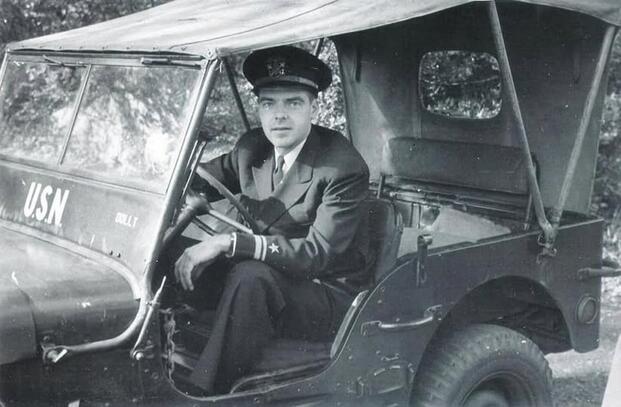
Brendan Gibbons shared a close bond and a passion for preserving military history with his grandfather, Richard, a World War II veteran.
After his grandfather died in 2018, Gibbons could have quit the hobby he shared with his beloved grandfather. But he decided, in order to preserve Richard’s memory, he was going to devote even more time and energy to his passion, keeping the history of World War II alive.
Gibbons has no discretion over what mementos he’ll find, preserving pieces of almost any size.
When Gibbons’ grandfather was still living, the duo would venture to estate sales, buying vintage military uniforms and memorabilia that would have otherwise been discarded.
“When older generations pass away, there’s uniforms and documents and old photos,” Gibbons told the local CBS affiliate in Albany. “And people often say, what am I going to do with this? Toss it out? Don’t. Call people like me. We’re all over the world, because we’ll save it.”
Casual Collecting Turns into Home Museum
After collecting these historic pieces, Gibbons and his grandfather wouldn’t just bring them home and tuck them away in a closet never to be seen again. Rather, almost museum-like, they worked to bring these items back to life.
They took the time to research each piece to discover stories of the past and get to know the soldier who once wore the uniform.
What did he do? What did he live through? How did his life turn out? Did he make it out?
Gibbons realizes that for so many veterans, life doesn’t stop after they leave the service and take off the uniform.
Auto Restoration Business
Gibbons and his grandfather also worked on restoring World War II-era vehicles.
Through their business, Gibbons Military Motors, the pair would feature vintage trucks in parades for many years in New York’s Capital Region, all the way down to the busy streets of Manhattan. As a child, Gibbons would ride in the back, decked out in a helmet and fatigues, while his grandfather drove.
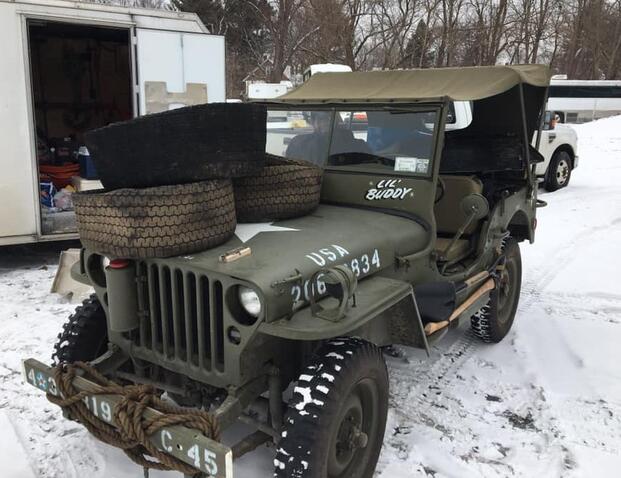
In 2014, they were sent an old Army jeep to repair named “Dolly.”
“What you see here is reproduction seats, tires and a top,” Gibbons said. “Everything else we left in, including the original 60 horsepower motor.”
These days, while his grandfather is gone, Gibbons is steadfast in continuing to honor him and other World War II veterans with his restoration efforts, hoping to enlighten future generations.
We want to work with schools and bring stuff to them and say, ‘Here’s the WWII uniform’ or ‘Here’s a photo, here’s documents.’ You can learn about this person.
Gibbons even has on display the cap and uniform his great-grandfather wore in World War I.
Based on recent figures from the National World War II Museum, there’s only about 45,000 American veterans out of 16.4 million who served, still alive from World War II.
Gibbons knows with every piece of memorabilia he collects and preserves, he’s paying tribute to his late grandfather. He plans to keep rescuing these pieces of history for as long as he can.
“It tells a story, it’s incredible,” Gibbons said. “Don’t just get rid of this stuff. I would like to think my grandfather and his friends would be proud of what I’m doing.”
If you have a piece of memorabilia Gibbons may be interested in, contact him at [email protected].
Read the full article here

21 Comments
The idea of working with schools to bring World War II memorabilia and share the stories of veterans with future generations is a great way to educate and raise awareness about this important period in history.
This approach could help to keep the memories of World War II veterans alive and ensure that their sacrifices are not forgotten.
The fact that there are only about 45,000 American veterans from World War II still alive out of 16.4 million who served is a stark reminder of the importance of preserving their stories and memorabilia.
I appreciate how Gibbons emphasizes the importance of not discarding memorabilia and instead finding people like him who can preserve and appreciate these items, which is a valuable service to the families of veterans.
This approach helps to ensure that the stories and memories of veterans are not lost over time.
The partnership between Gibbons and his grandfather in collecting and preserving military memorabilia is a heartwarming example of how shared passions can bring people together across generations.
It’s great to see that Gibbons is not only preserving memorabilia but also restoring vehicles like the Army jeep ‘Lil’ Buddy’ to haul racecar parts, which shows the versatility of his skills and interests.
It’s interesting that Gibbons and his grandfather would research each piece of memorabilia to discover the stories of the past and get to know the soldier who once wore the uniform, and I think this approach adds a personal touch to their collection.
Gibbons’ comment that ‘for so many veterans, life doesn’t stop after they leave the service and take off the uniform’ highlights the importance of considering the long-term impact of military service on individuals and their families.
The fact that Gibbons Military Motors would feature vintage trucks in parades in New York’s Capital Region and Manhattan shows that their work is not only about preservation but also about sharing their passion with the community.
Brendan Gibbons’ dedication to preserving World War II memorabilia is a testament to the strong bond he shared with his grandfather, Richard, and it’s remarkable that he’s continuing to honor his legacy even after his passing.
It’s heartwarming to see how Gibbons is keeping his grandfather’s memory alive through their shared passion for military history.
The fact that Gibbons has on display the cap and uniform his great-grandfather wore in World War I shows that his interest in military history spans multiple generations and conflicts.
It’s interesting to note that Gibbons’ great-grandfather served in World War I, which adds another layer to the family’s history and connection to military service.
I’m curious to know more about the process of restoring World War II-era vehicles, like the Army jeep ‘Dolly’ that Gibbons and his grandfather worked on, and how they managed to keep the original 60 horsepower motor.
The attention to detail in restoring these vehicles is impressive, and it’s great that Gibbons is continuing this work through his business, Gibbons Military Motors.
I’m impressed by the variety of items that Gibbons collects, from vintage military uniforms to documents and old photos, and it’s clear that he’s passionate about preserving all aspects of military history.
The quote from Gibbons about people often not knowing what to do with memorabilia and considering tossing it out highlights the importance of his work in preserving these items and the stories they tell.
I’m skeptical about the feasibility of working with schools to bring memorabilia and share stories of veterans, given the potential logistical challenges and sensitivities involved.
However, if done thoughtfully, this approach could be a powerful way to educate students about World War II and its impact on individuals and society.
The restoration of ‘Dolly’ and other vehicles is a remarkable achievement, and I wonder what other projects Gibbons has planned for the future to continue honoring his grandfather’s legacy.