



Generating key takeaways...
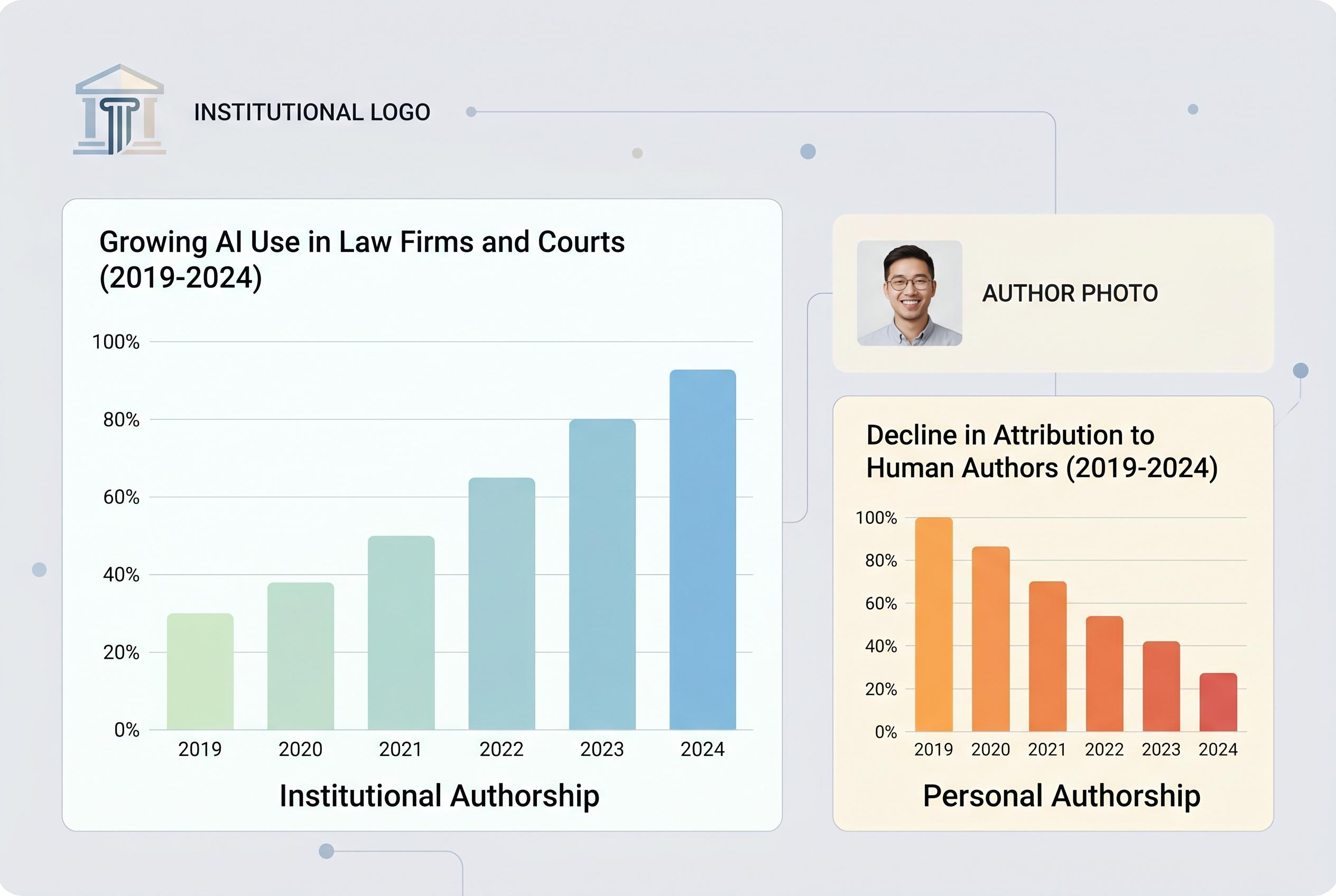
Eugene Volokh argues that AI’s role in legal writing varies depending on whether the setting treats authorship as an institutional function or a personal claim, highlighting a shift in legal practice and academic discourse.
Writing on Reason, Eugene Volokh argues that the analogy between artificial intelligence and a law clerk breaks down once one distinguishes between institutional legal writing and personal scholarship. He says a judicial opinion is valuable because it is an authorised act of the court, not because of the individual hand that typed it, which is why the name on the page matters far less than the panel’s formal power.
Volokh contrasts that with academic work, where the point of authorship is to make a personal intellectual claim. In his view, a law review article is closer to a jazz solo than to a court order: the audience expects a real performance from the named author, not a polished playback of someone else’s work. If a scholar relies on AI to produce the substance of the argument, he suggests, that is not the same as using a clerk to prepare a draft for review.
That debate comes as the legal profession is already embracing AI in ways that are reshaping daily practice. The American Bar Association says a survey found 69% of legal professionals use general-purpose AI for work tasks, while firms increasingly prefer legal-specific systems built around security, reliability and professional workflows. LexisNexis and other legal-technology providers make a similar distinction, arguing that consumer AI tools are not designed for the demands of legal work and may not provide the source-backed accuracy lawyers need.
Academic researchers are also testing where machine assistance belongs in legal settings. A University of Chicago Law School study led by Eric Posner examined whether AI could grade law school exams with fairness and consistency, while his broader writing on AI judging has highlighted both the promise of pattern recognition and the limits of machine reasoning. That wider conversation reinforces Volokh’s point: the real question is not whether AI can help produce legal text, but whether the setting treats authorship as an institutional function or a personal one.
Source Reference Map
Inspired by headline at: [1]
Sources by paragraph:
Source: Noah Wire Services
Noah Fact Check Pro
The draft above was created using the information available at the time the story first
emerged. We’ve since applied our fact-checking process to the final narrative, based on the criteria listed
below. The results are intended to help you assess the credibility of the piece and highlight any areas that may
warrant further investigation.
Freshness check
Score:
10
Notes:
The article was published on April 27, 2026, and does not appear to be recycled or republished content. No earlier versions with differing figures, dates, or quotes were found. The narrative is original and timely.
Quotes check
Score:
10
Notes:
The article does not contain direct quotes. The content is presented as original analysis by the author, Eugene Volokh.
Source reliability
Score:
8
Notes:
The article is published on Reason.com, a reputable platform known for its libertarian perspectives. While Reason.com is generally reliable, it is important to note that it may have a particular ideological slant. The author, Eugene Volokh, is a respected legal scholar and professor at UCLA School of Law, lending credibility to the content.
Plausibility check
Score:
9
Notes:
The claims made in the article are plausible and align with current discussions in the legal field regarding the use of AI in legal practice. The distinction between institutional legal writing and personal scholarship is a reasonable and well-supported argument. However, the article presents a personal perspective, and readers should consider it as such.
Overall assessment
Verdict (FAIL, OPEN, PASS): PASS
Confidence (LOW, MEDIUM, HIGH): MEDIUM
Summary:
The article presents an original analysis of the use of AI in legal practice, authored by a reputable legal scholar. While the content is plausible and timely, the reliance on Reason.com as the primary source without direct links to original studies or surveys limits the ability to independently verify some claims. Readers should consider the article as presenting a personal perspective and seek additional sources for comprehensive verification.


