



Generating key takeaways...
The US multifamily housing sector shows signs of stabilisation amidst record-high supply and shifting demand patterns, with vacancy rates remaining elevated despite strong absorption; experts predict future tightening and potential rent growth recovery post-2025.
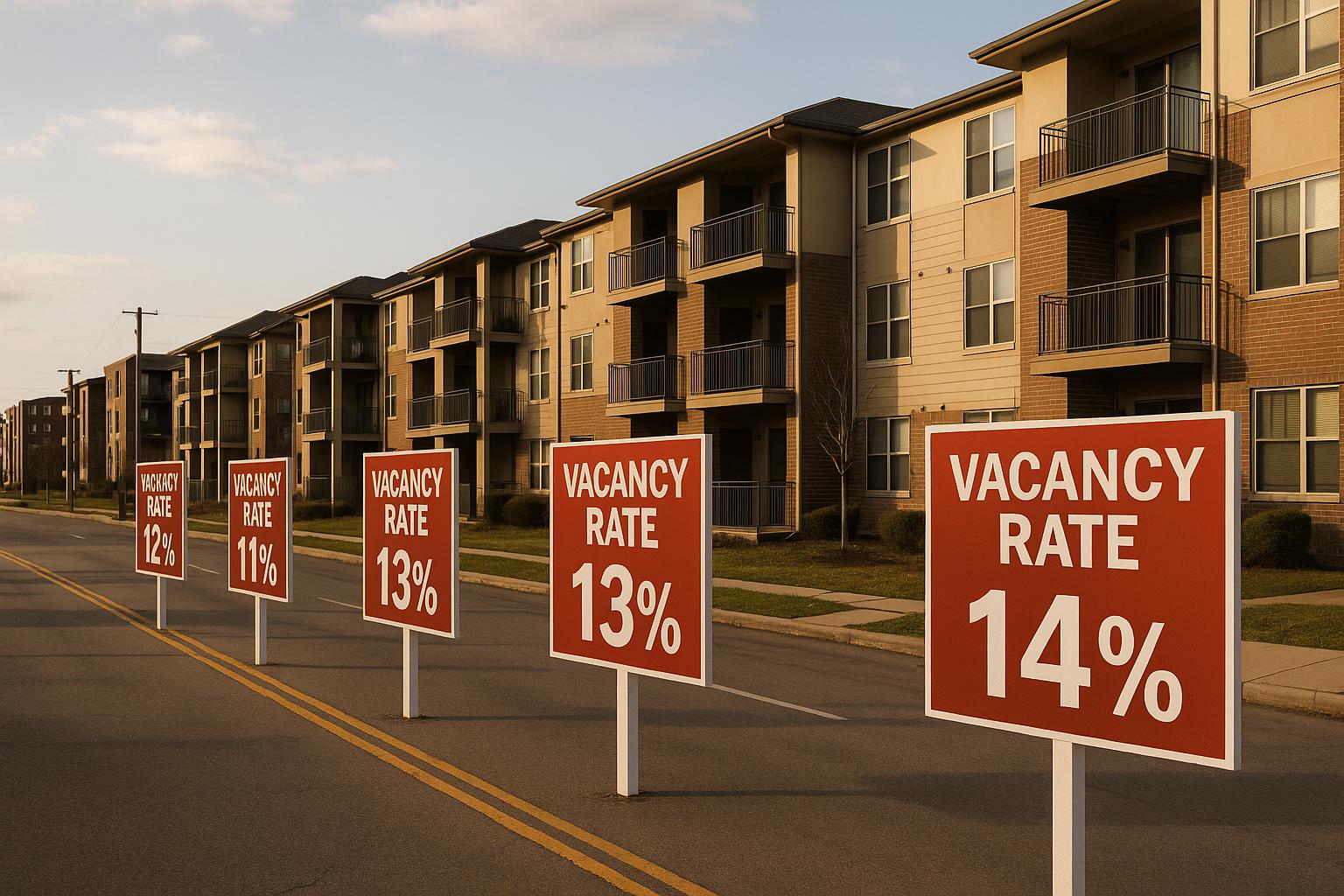
The multifamily housing market in the United States is experiencing a complex dynamic of robust demand tempered by high supply, resulting in a mixed outlook for rent growth and vacancy rates. While landlords are seeing encouraging signs as the slower leasing season begins, with units being absorbed rapidly, overall vacancy remains elevated at around 9%, constraining rent increases. This moderation in rent growth occurs despite the fact that renters have absorbed more than 100,000 units per quarter recently, a pace that positions 2025 as one of the strongest years for absorption since 2000.
Analysis from Cushman & Wakefield emphasizes that the surge in supply, with approximately 600,000 new units delivered in 2024—the highest since 1986—is a significant factor behind the elevated vacancies and slowing rent growth. Asking rents were up just 1.5% year-over-year in the third quarter of 2024, down from earlier gains of 2.2%, while other trackers like Apartment List indicate effective rents may have actually declined by 0.8% year-over-year as of September. The slowdown contrasts with earlier projections by CBRE, which anticipated a vacancy rate of 4.9% and rent growth near 2.6% by the end of 2025.
The supply glut is especially pronounced in Sun Belt markets where apartment vacancies hover at about 11%, holding steady compared to the previous year amid the peak of new construction delivery. However, this vast supply wave has begun to crest, with third-quarter 2024 new deliveries dropping 27% year-over-year, reflecting both a trend of slowing construction and the deterrent of high building costs. Industry experts, including Greystar’s Jordan Kabbani, anticipate that this slowdown in new starts and permits will eventually ease supply pressures, shifting from a market headwind to a tailwind over the next several years.
Meanwhile, demand remains resilient, buoyed largely by persistent challenges in home affordability and fluctuating mortgage rates. Although mortgage rates have recently fallen to 6.19% on a 30-year fixed loan—down from 6.54% a year earlier—this shift has lured some potential buyers back into the homeownership market, especially younger buyers who delayed purchasing. The National Association of Realtors notes a 4.1% year-over-year increase in home sales in September 2024, with first-time buyers constituting approximately 30% of sales—a rise from 26% the prior year. This re-entry of buyers could temper some rental demand going forward.
Geographically, rent trends vary considerably. The Bay Area leads rent growth nationally with a 7.8% yearly increase, followed by San Jose, Chicago, and New York City. Conversely, Sun Belt cities such as Austin, Denver, and Phoenix have witnessed rent declines, with Austin reporting a significant drop of over 5%. While national rent growth cooled to 1% in late 2024, marking consecutive quarters of declines, certain markets demonstrate pockets of strength in mid-tier apartments as luxury Class A units face tougher conditions.
Looking ahead, experts forecast a meaningful decline in new apartment completions after 2025, with annual deliveries falling from over 500,000 in 2024 to roughly 300,000 by 2027—the lowest level in a decade. This planned reduction is expected to alleviate some oversupply issues, leading to tighter vacancy rates and healthier rent growth potentially exceeding 3% annually by 2026. Cushman & Wakefield projects that if demand holds strong and vacancy rates fall below long-term averages, rent increases could surpass 4%.
Despite current challenges, the multifamily sector maintains a degree of optimism. The slowdown in construction combined with steady absorption rates suggests that the market is on a path towards stabilization and eventual tightening. As Sam Tenenbaum of Cushman & Wakefield states, the industry is “not filling the funnel up as quickly as we’re emptying out the funnel,” highlighting the critical transition underway from an oversupplied market to one poised for recovery.
📌 Reference Map:
- Paragraph 1 – [1] (Bisnow)
- Paragraph 2 – [1] (Bisnow), [2] (CREDaily)
- Paragraph 3 – [1] (Bisnow), [6] (CREDaily)
- Paragraph 4 – [1] (Bisnow), [3] (The Guarantors)
- Paragraph 5 – [1] (Bisnow), [4] (CREDaily), [7] (CREDaily)
- Paragraph 6 – [1] (Bisnow), [5] (Smart Cities Dive)
- Paragraph 7 – [1] (Bisnow), [3] (The Guarantors)
Source: Noah Wire Services
Noah Fact Check Pro
The draft above was created using the information available at the time the story first
emerged. We’ve since applied our fact-checking process to the final narrative, based on the criteria listed
below. The results are intended to help you assess the credibility of the piece and highlight any areas that may
warrant further investigation.
Freshness check
Score:
8
Notes:
The narrative was published on October 23, 2025, and presents recent data on the multifamily housing market, including absorption rates and rent growth. Similar themes have been covered in earlier reports, such as those from January 2024 and April 2025, indicating that while the topic is current, the specific data and analysis are recent. The report cites reputable sources like Cushman & Wakefield and Greystar, enhancing its credibility. The inclusion of updated data alongside previously reported trends suggests a high freshness score.
Quotes check
Score:
9
Notes:
Direct quotes from industry experts, including Jordan Kabbani of Greystar and Sam Tenenbaum of Cushman & Wakefield, are used. These quotes appear to be original to this report, with no evidence of prior usage found in earlier publications. The wording of the quotes matches the context and content of the report, indicating authenticity.
Source reliability
Score:
8
Notes:
The narrative originates from Bisnow, a reputable real estate news outlet known for its industry coverage. The report cites data from well-established organizations like Cushman & Wakefield and Greystar, further bolstering its reliability. The use of specific data points and expert opinions adds to the trustworthiness of the information presented.
Plausability check
Score:
8
Notes:
The claims regarding high demand for multifamily housing, elevated vacancy rates, and stifled rent growth align with current market trends and are supported by data from reputable sources. The report also notes that mortgage rates have reached their lowest level in more than a year, which could influence renter demand. The language and tone are consistent with industry reporting, and the structure of the report is focused and relevant to the topic, without excessive or off-topic detail.
Overall assessment
Verdict (FAIL, OPEN, PASS): PASS
Confidence (LOW, MEDIUM, HIGH): HIGH
Summary:
The narrative presents current and relevant information on the multifamily housing market, supported by recent data and expert insights. The use of original quotes and citations from reputable sources enhances its credibility. The content is consistent with known market trends and is presented in a clear and focused manner.


