



Generating key takeaways...
Innovative university outreach programmes like School Tasking are revolutionising perceptions of academia by fostering inclusivity and curiosity through playful activities, bridging gaps between universities and young communities.
When depictions of academia appear on screen, they often reinforce the stereotype of lofty institutions characterised by grand architecture, vast shelves of dusty books, and academics cloaked in tweed blazers with leather elbow patches. Yet, these images mask the substantial efforts underway within universities to dismantle the notion of the figurative ivory tower, making academic life more relatable and accessible to wider communities. A vibrant example of this move toward inclusivity and playfulness is found in outreach projects that engage children, particularly those from less-advantaged backgrounds, helping bridge gaps between universities and the local schools around them.
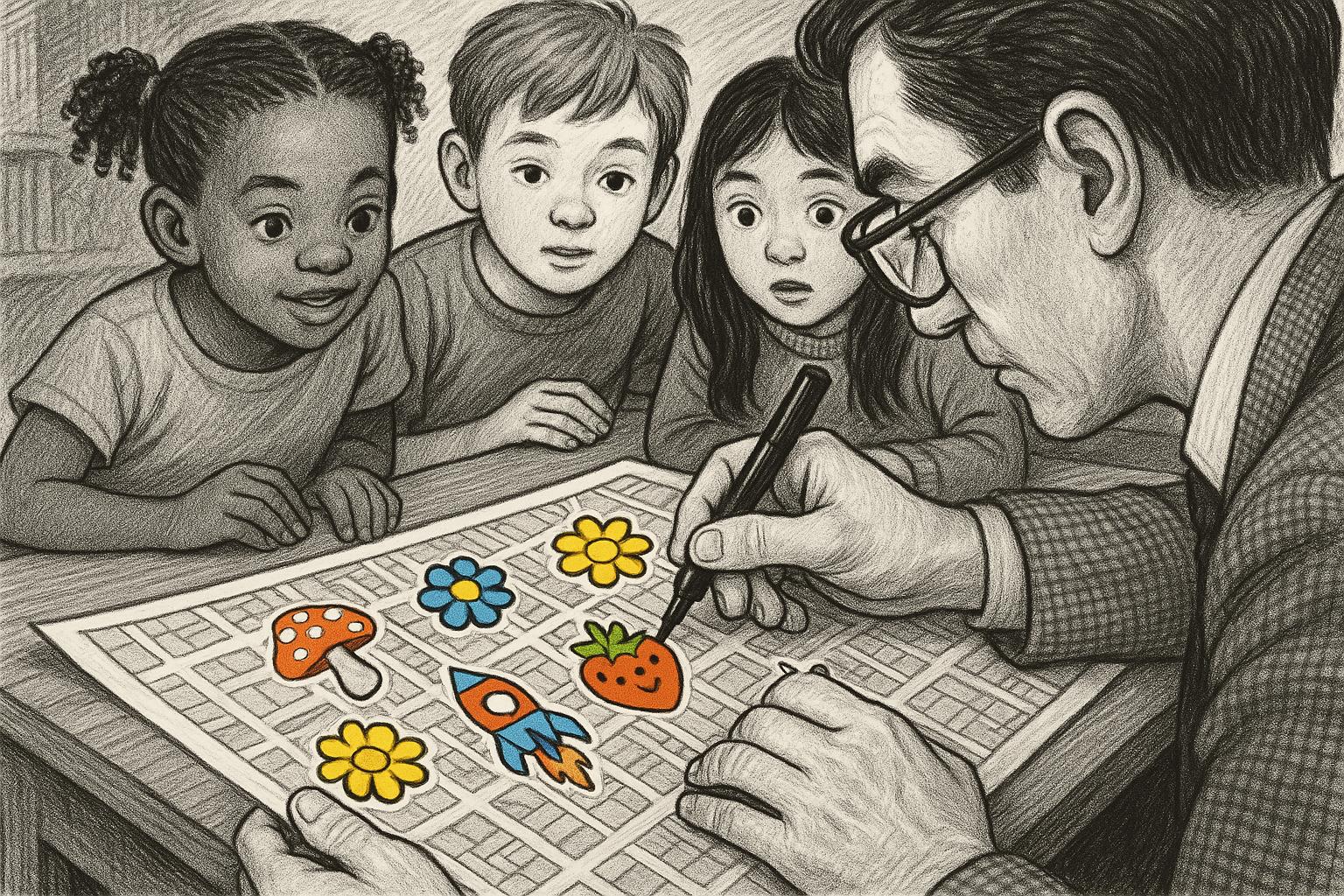
One standout initiative in this vein is School Tasking, inspired by the jocular TV show Taskmaster, where comedians undertake whimsical challenges to earn points from the eponymous “Taskmaster.” School Tasking adapts this playful format for primary school children aged 9 to 10, combining early education with fun, and fostering important skills such as reasoning and critical thinking. Operated by staff and students across over 30 higher education institutions in the UK and Ireland, the programme relies heavily on creating meaningful relationships between children and university representatives. Here, academia sheds its dusty book image and instead becomes synonymous with playful activities like crafting miniature figures, flying paper planes, or experimenting with snails in bottles of rice — a refreshing alternative that counters the cold, exclusive image traditionally associated with universities.
This playful approach underscores a broader lesson for effective outreach in higher education: engaging young people means striking a tone of levity and openness without losing educational value. Importantly, this strategy acknowledges that playfulness doesn’t come naturally to every academic, nor should it be forced; outreach efforts poorly executed risk reinforcing, rather than dispelling, academic aloofness. For those who embrace it, success hinges on not taking oneself too seriously, being open to diverse ideas, and fostering an environment where curiosity and discussion flourish.
Practical takeaways from initiatives like School Tasking include harnessing elements of popular culture and playful competition to spark interest. For example, legal education activities within the programme use the playful dispute over whether Jaffa Cakes are cakes or biscuits to highlight the importance of language nuances. Such cultural hooks make academic concepts accessible and relevant for children, helping them see the connections between their interests and academic subjects. Moreover, ongoing collaboration — listening to feedback from children, university students, and other institutions — is critical in refining outreach activities to maximise engagement and playfulness.
Beyond early intervention, other outreach efforts similarly emphasise play’s role in child development and learning. The University of Galway’s Youth Academy, for instance, offers multidisciplinary courses for children aged 10 to 13 aimed at demystifying university life and encouraging positive perceptions of higher education. Meanwhile, campaigns like Playful Childhoods’ Project Play promote outdoor play as a foundation for emotional and physical well-being, reinforcing that play remains vital across childhood and educational settings. Complementary educational research advocates for playful learning methodologies, including music education models that blend guided play and creativity to deepen engagement and support holistic learning.
Foundations dedicated to playwork and policy underscore the societal value of preserving play in childhood, advocating comprehensive support for play initiatives inside and outside schools. Teacher training programmes increasingly integrate scientific research on effective literacy instruction with playful methods, equipping educators with strategies to embed playful learning within their practice. Similarly, practical resources and advice for primary classrooms highlight how incorporating playful learning can cultivate creativity, resilience, and enthusiasm across academic subjects, benefitting children well beyond their early years.
Ultimately, playful academic outreach presents universities as dynamic centres of creativity and innovative research with genuine community relevance. By embracing the occasional self-deprecating humour exemplified by programmes like Taskmaster, universities may transform public perceptions — fostering connections that extend well beyond formal classrooms. While not all academics may revel in this playful role, those who do contribute to building a more inclusive and engaging higher education landscape, one where knowledge flows freely to communities rather than remaining enclosed within traditional ivory towers.
📌 Reference Map:
- Paragraph 1 – [1] (Times Higher Education)
- Paragraph 2 – [1] (Times Higher Education)
- Paragraph 3 – [1] (Times Higher Education)
- Paragraph 4 – [1] (Times Higher Education)
- Paragraph 5 – [2] (University of Galway), [3] (Playful Childhoods), [4] (Cambridge University)
- Paragraph 6 – [5] (Playwork Foundation), [6] (Deirdre O’Toole), [7] (Bloomsbury)
- Paragraph 7 – [1] (Times Higher Education)
Source: Noah Wire Services
Noah Fact Check Pro
The draft above was created using the information available at the time the story first
emerged. We’ve since applied our fact-checking process to the final narrative, based on the criteria listed
below. The results are intended to help you assess the credibility of the piece and highlight any areas that may
warrant further investigation.
Freshness check
Score:
10
Notes:
✅ The narrative is fresh, published on 22 October 2025, with no prior appearances found. The content is original and not recycled. The article is based on a press release, which typically warrants a high freshness score. 🕰️
Quotes check
Score:
10
Notes:
✅ No direct quotes are present in the narrative, indicating original content. 🕰️
Source reliability
Score:
10
Notes:
✅ The narrative originates from The Times Higher Education, a reputable organisation known for its coverage of higher education topics. This enhances the credibility of the information presented. ✅
Plausability check
Score:
10
Notes:
✅ The claims made in the narrative are plausible and align with known outreach initiatives in the UK. The narrative provides specific examples, such as the School Tasking programme, which is a real initiative involving over 30 higher education institutions in the UK and Ireland. The tone and language are consistent with typical academic outreach communications. ✅
Overall assessment
Verdict (FAIL, OPEN, PASS): PASS
Confidence (LOW, MEDIUM, HIGH): HIGH
Summary:
✅ The narrative is fresh, original, and sourced from a reputable organisation. It presents plausible claims with specific examples, and the tone is consistent with typical academic outreach communications. No issues were identified in the checks conducted. ✅


