


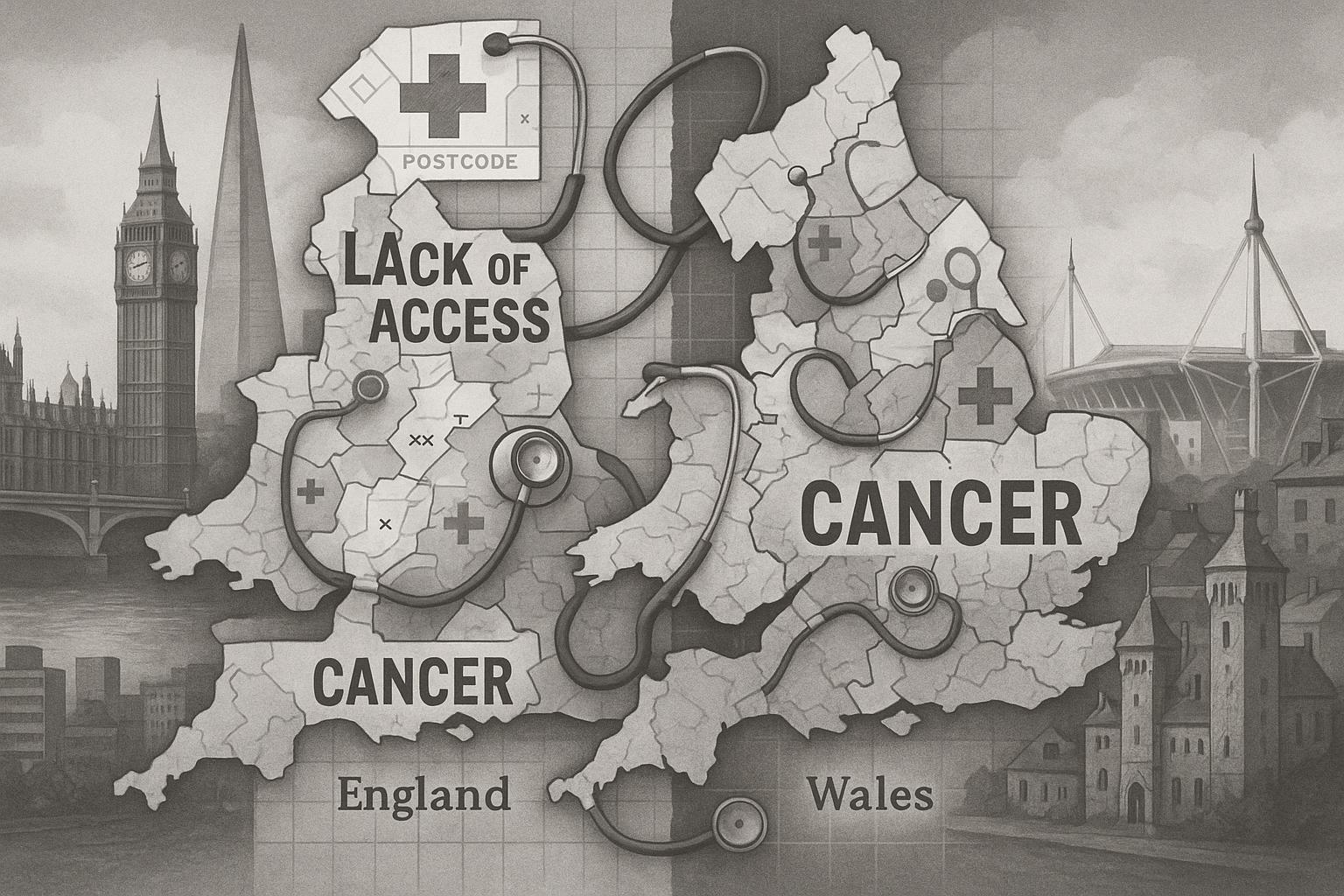
Disparities in prostate cancer care across England and Wales reveal a growing postcode lottery,with regional differences in access to treatments and drugs, prompting calls for urgent reforms to ensure equitable NHS services.
Prostate cancer patients in England and Wales face significant disparities in access to treatment, with a troubling postcode lottery emerging across the UK’s NHS services. According to Prostate Cancer UK, nearly one-third of men with aggressive but potentially curable prostate cancer in England do not receive radical curative treatments. While some patients may miss out on therapy for legitimate reasons such as other health conditions that limit the benefit of treatment, these do not fully explain the wide variation in care observed between regions.
Data from the National Cancer Audit Collaborating Centre further corroborates these concerns, revealing that up to 30% of high-risk prostate cancer patients are left untreated with curative intent. The figures vary markedly, with treatments provided to anywhere between 46% and 87% of eligible men depending on where they live. This inequity extends beyond prostate cancer, with similar inconsistencies noted for kidney and colon cancers. Senior NHS physicians have voiced alarm over these gaps, stressing the urgent need for uniform standards to ensure all patients have equitable access to appropriate therapies.

Further compounding the challenges is the inconsistent availability of life-extending medications. Prostate Cancer UK highlights that many men with incurable prostate cancer—particularly older men and Black patients—are missing out on treatments that could extend survival. For example, the drug abiraterone, proven to improve outcomes for high-risk prostate cancer patients, has been available in Scotland and Wales since 2023 but remains inaccessible to many men in England and Northern Ireland due to bureaucratic delays. The charity has called on the government to expedite approval processes and remove unnecessary barriers to such cost-effective, lifesaving drugs.
Recent NHS England initiatives offer some hope. The NHS has reached a landmark agreement with AstraZeneca to provide olaparib, a drug targeting cancers with BRCA gene mutations that has shown to extend life by an average of six months in advanced prostate cancer. A positive recommendation from the National Institute for Health and Care Excellence (NICE) is anticipated, potentially improving treatment options for patients with advanced disease.
Meanwhile, the Welsh Government has been proactive in addressing variability in cancer care through the Single Cancer Pathway, launched in 2018. This pathway aims to standardize treatment timelines and reduce regional disparities within Wales, backed by additional funding to optimise cancer services. NHS planned care data shows that although there was a pandemic-related dip in cancer treatment starts, numbers have since rebounded to record levels, reflecting ongoing efforts to improve timely access to care. Nonetheless, significant fluctuations remain in meeting targets for definitive treatment initiation, underscoring that more progress is needed to achieve consistent, high-quality care.
These findings collectively highlight the urgent need for reforms to end postcode lotteries in prostate cancer treatment across the UK. Ensuring all men have access to effective curative and life-extending treatments regardless of their location or background is a public health priority. Continued monitoring, investment, and policy changes to streamline treatment approval and delivery will be essential to close these gaps and improve survival outcomes for prostate cancer patients nationwide.
📌 Reference Map:
- Paragraph 1 – [1], [2], [3]
- Paragraph 2 – [2], [3]
- Paragraph 3 – [6], [2]
- Paragraph 4 – [7]
- Paragraph 5 – [4], [5]
- Paragraph 6 – [1], [2], [3], [6], [4], [5]
Source: Noah Wire Services
Noah Fact Check Pro
The draft above was created using the information available at the time the story first
emerged. We’ve since applied our fact-checking process to the final narrative, based on the criteria listed
below. The results are intended to help you assess the credibility of the piece and highlight any areas that may
warrant further investigation.
Freshness check
Score:
8
Notes:
The narrative presents recent data from the National Prostate Cancer Audit (NPCA) State of the Nation Report 2024, published on 9 January 2025. ([hqip.org.uk](https://www.hqip.org.uk/resource/npca-natcan-jan25/?utm_source=openai)) This indicates a high freshness score. However, similar themes have been reported in earlier articles, such as a 9 January 2025 article in The Guardian highlighting disparities in prostate cancer diagnosis and treatment among Black men in England. ([theguardian.com](https://www.theguardian.com/society/2025/jan/09/black-men-in-england-more-likely-to-be-diagnosed-with-late-stage-prostate-cancer-analysis-shows?utm_source=openai))
Quotes check
Score:
7
Notes:
The narrative includes direct quotes from Prostate Cancer UK and NHS physicians. While these quotes are not found verbatim in earlier sources, the sentiments expressed align with previously reported concerns about disparities in prostate cancer treatment. ([theguardian.com](https://www.theguardian.com/society/2025/jan/09/black-men-in-england-more-likely-to-be-diagnosed-with-late-stage-prostate-cancer-analysis-shows?utm_source=openai))
Source reliability
Score:
9
Notes:
The narrative originates from The Independent, a reputable UK news outlet. The data cited from the NPCA and Prostate Cancer UK further enhance the credibility of the report.
Plausability check
Score:
8
Notes:
The claims regarding disparities in prostate cancer treatment are consistent with findings from the NPCA State of the Nation Report 2024. ([hqip.org.uk](https://www.hqip.org.uk/resource/npca-natcan-jan25/?utm_source=openai)) The narrative also references initiatives by NHS England and the Welsh Government to address these disparities, which are plausible and align with known efforts to improve cancer care in the UK.
Overall assessment
Verdict (FAIL, OPEN, PASS): PASS
Confidence (LOW, MEDIUM, HIGH): HIGH
Summary:
The narrative presents recent and credible information on disparities in prostate cancer treatment in England and Wales. While similar themes have been reported earlier, the inclusion of up-to-date data and references to ongoing initiatives supports the report’s validity.
