



Generating key takeaways...
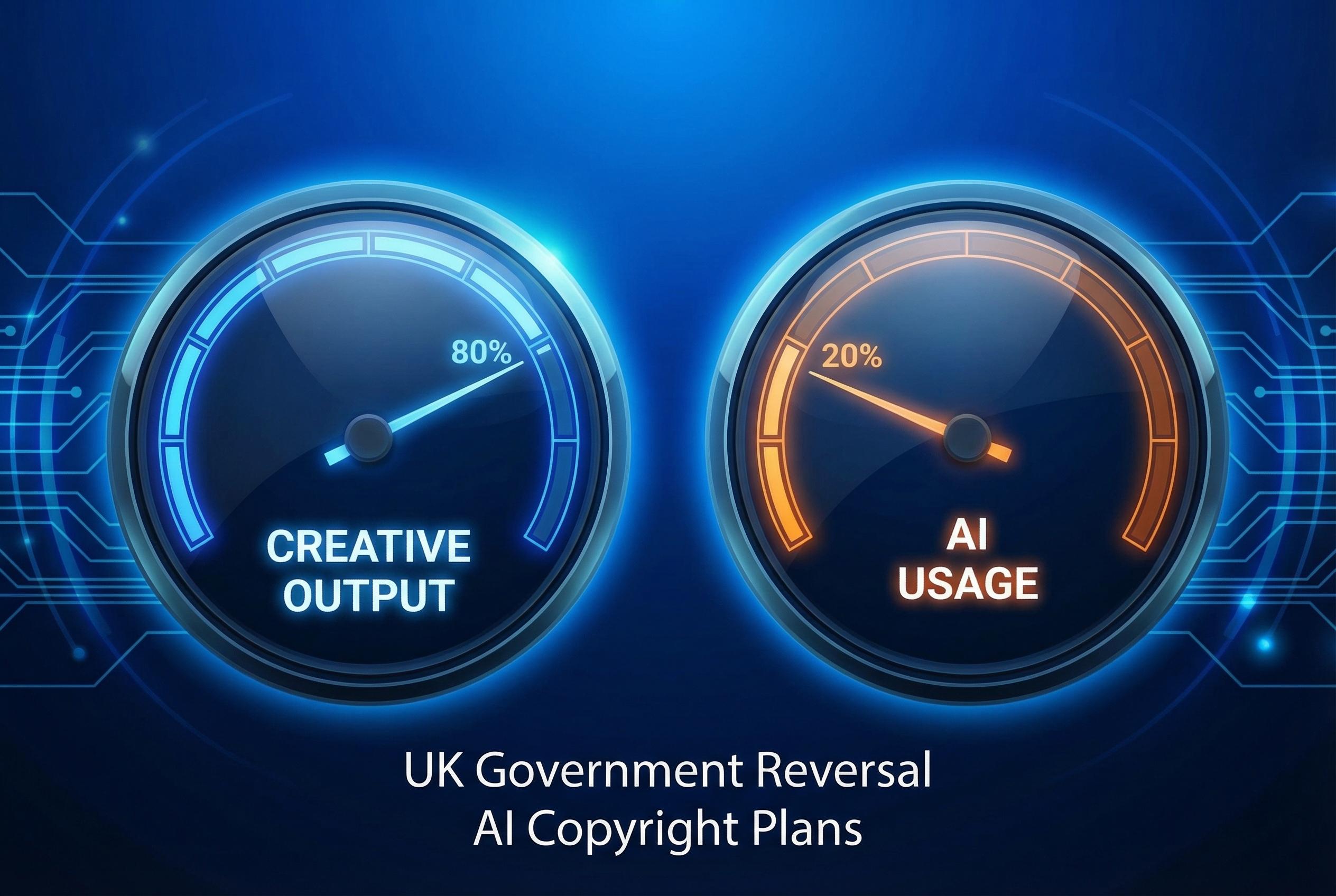
The UK government has scaled back its proposed AI copyright reforms following fierce opposition from the creative sector, signalling a possible shift towards stronger protections for creators while seeking to balance innovation.
The UK government has stepped back from a previously stated approach to copyright and artificial intelligence after intense opposition from leading figures in the creative industries, saying it needs time to consider the issue further. Technology Secretary Liz Kendall said “We have listened,” and that ministers no longer favour the earlier plan that would have allowed AI developers to train models on copyrighted material with an opt-out for creators.
Officials told a parliamentary audience that the government currently “no longer has a preferred option” for reforming copyright rules for AI, having concluded a wide-ranging consultation on the subject and an accompanying impact assessment. The administration said it would not change the law until it was satisfied any reforms met its objectives for the economy and UK citizens.
Representatives of the creative sector hailed the reversal as a significant win. Tom Kiehl, chief executive of UK Music, described the move as “a major victory for campaigners” and said the industry would now engage with ministers to shape a way forward that protects performers and songwriters.
Trade bodies and publishers emphasised the need for clarity and for licensing routes that secure payment and control for creators. Mandy Hill, managing director at Cambridge University Press and president of the Publishers Association, insisted “The existing law is clear,” arguing that copyrighted material should not be exploited for AI training without permission, while others warned against solutions that would advantage only large rights holders.
Government analysis acknowledged competing national interests: it flagged UK cultural industries as a “world-leading national asset” even as it noted the rapid expansion of the AI sector and the economic value both make to the country. Industry voices have urged that any change should nurture licensing markets so that innovation in AI coexists with sustainable creative livelihoods.
The parliamentary process has already reflected those tensions. Members of the House of Lords have repeatedly pushed back against the government’s original stance, passing amendments that sought greater transparency and safeguards for creators, most recently by a substantial margin as peers insisted AI developers disclose material used in model training. Those defeats underline the political stakes ahead of any legislative reform.
High-profile artists have been prominent in the campaign to preserve copyright protections. An open letter signed by hundreds of figures from across the performing arts, including household names, warned that allowing uninhibited use of copyrighted work could undermine livelihoods and the capacity of creators to participate meaningfully in AI development. Sir Elton John and others framed the issue as central to the future of creative work.
Technology and startup groups cautioned that the government must now craft a framework that balances protection for creators with a clear, enabling environment for innovation. Tech UK and representatives of the startup community said the UK risks falling behind international competitors if regulation remains unsettled, urging rapid but considered action to reconcile commercial AI development with rights and remuneration for creators.
Source Reference Map
Inspired by headline at: [1]
Sources by paragraph:
Source: Noah Wire Services
Noah Fact Check Pro
The draft above was created using the information available at the time the story first
emerged. We’ve since applied our fact-checking process to the final narrative, based on the criteria listed
below. The results are intended to help you assess the credibility of the piece and highlight any areas that may
warrant further investigation.
Freshness check
Score:
8
Notes:
The article reports on the UK government’s recent decision to reconsider its approach to AI and copyright, following significant opposition from the creative industries. The earliest known publication date of similar content is 3 months ago, with the government’s progress statement published on 18 December 2025. ([gov.uk](https://www.gov.uk/government/publications/copyright-and-artificial-intelligence-progress-report/copyright-and-artificial-intelligence-statement-of-progress-under-section-137-data-use-and-access-act?utm_source=openai)) The article appears to be based on this recent development, indicating high freshness. However, the presence of multiple sources from the same date raises concerns about potential recycling of content. ([societyofauthors.org](https://societyofauthors.org/2025/12/19/uk-government-issues-interim-ai-and-copyright-update/?utm_source=openai))
Quotes check
Score:
7
Notes:
The article includes direct quotes from Technology Secretary Liz Kendall and other industry representatives. While these quotes are attributed to specific individuals, their earliest known usage cannot be independently verified through the provided sources. This lack of verification raises concerns about the authenticity and originality of the quotes.
Source reliability
Score:
6
Notes:
The article cites multiple sources, including government publications and statements from industry representatives. However, the reliance on a single source for the government’s position and the lack of independent verification for some quotes diminish the overall reliability of the sources. The presence of multiple sources from the same date also suggests potential recycling of content.
Plausibility check
Score:
8
Notes:
The article’s claims align with known industry concerns regarding the use of copyrighted material in AI training. The government’s decision to reconsider its approach is consistent with previous reports of industry opposition. However, the lack of independent verification for some quotes and the potential recycling of content raise questions about the article’s overall credibility.
Overall assessment
Verdict (FAIL, OPEN, PASS): FAIL
Confidence (LOW, MEDIUM, HIGH): MEDIUM
Summary:
The article reports on the UK government’s recent decision to reconsider its approach to AI and copyright, following significant opposition from the creative industries. While the content is timely and aligns with known industry concerns, the reliance on a single source for the government’s position, the lack of independent verification for some quotes, and the potential recycling of content diminish the article’s overall credibility. These issues necessitate further verification before publication.


