


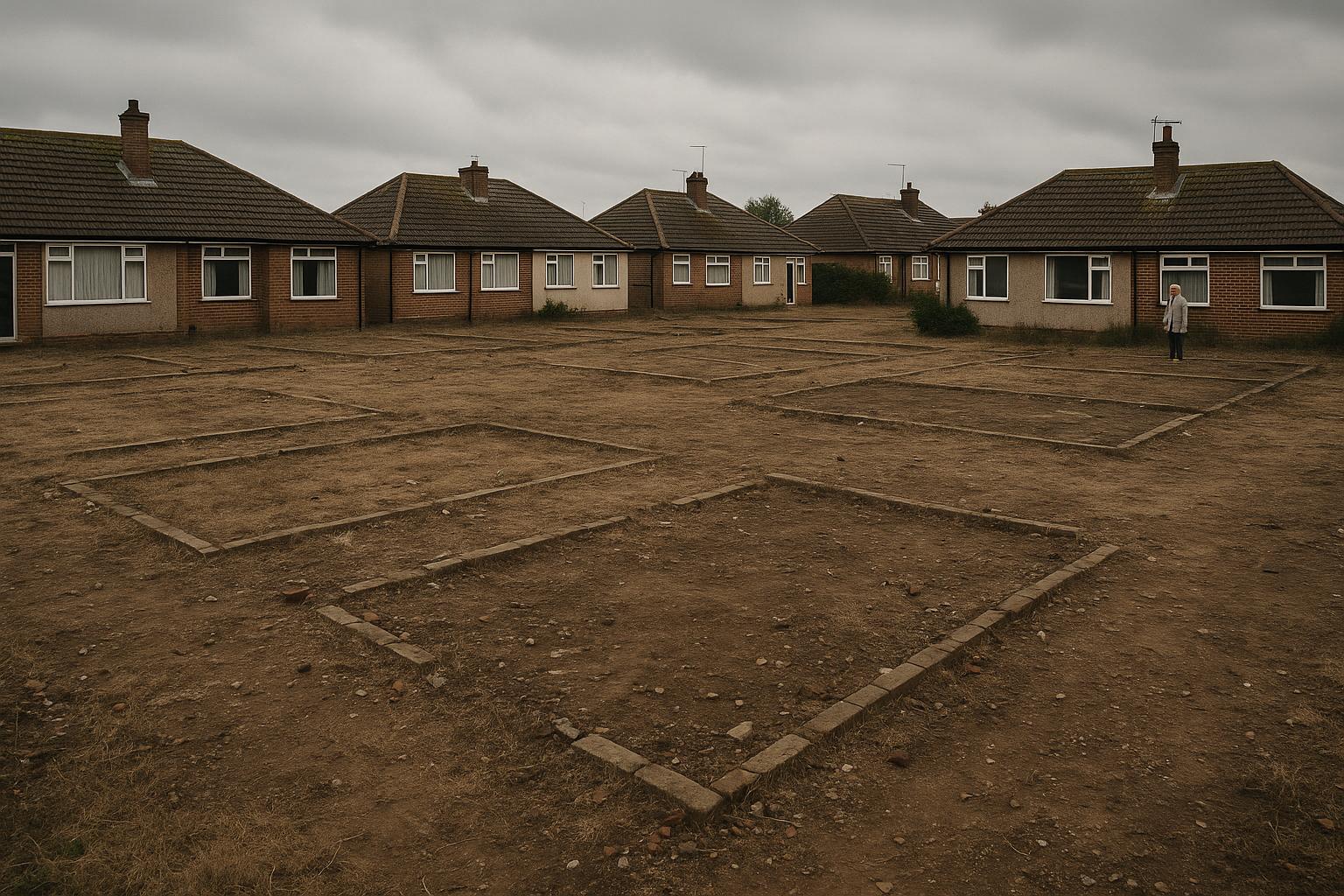
A dramatic decline in bungalow construction is intensifying housing difficulties for older UK residents, risking increased social care and NHS pressures amid a growing demand for accessible homes tailored to ageing populations.
A growing shortage of bungalows is exacerbating the housing crisis for older buyers in the UK, particularly for those in the 50 to 75 age range who are often looking for a “last-time move.” Age UK, among other organisations, has raised serious concerns about the lack of affordable, accessible homes that could help older people maintain independence and health as they age. This shortfall not only limits older people’s housing options but also poses wider challenges for social care systems, the NHS, and public finances.
According to a comprehensive survey conducted by Age UK, nearly half of older adults aged 66 to 74 have moved since reaching the age of 50. Despite this, a significant proportion express worries about future housing affordability and accessibility. For instance, over 40% are concerned about mobility issues related to home features such as steps or baths. Alarmingly, more than a quarter fear they might be unable to manage moving at all once they reach age 75, highlighting the critical need for suitable housing options earlier in the ageing process.

Bungalows, a preferred housing type among older adults for their single-storey convenience, have dramatically declined in new supply. Industry data from the National House Building Council shows that bungalows accounted for 11% of new home registrations in 1990 but plummeted to just 1% in 2024. This scarcity has led to widespread frustration among older homeowners. Research by the HomeOwners Alliance found that 1.2 million homeowners aged 55 and over have abandoned moving plans in the last two years, with the shortage of suitable homes cited as a key factor. Indeed, 38% of surveyed homeowners over 55 expressed a preference for a bungalow for their next home, yet this demand is barely met by the market.
The implications go beyond homeownership. Propertymark has highlighted that the shortage extends to the private rented sector, where over 3 million people aged 65 and older live. Only around 3,300 new bungalows were built in 2022, a number dwarfed by the growth in older renters—whose numbers in private rental housing have surged by 70% since 2010/11. This puts many older renters, particularly those on lower incomes, at risk of being trapped in unsuitable properties that do not meet their accessibility needs, underpinning calls for a housing strategy that addresses accessible housing across all tenures.
Experts and advocates stress the urgency of addressing this gap. Caroline Abrahams, charity director at Age UK, emphasises the need for a much greater focus on adaptable, high-quality homes that can accommodate ageing populations, especially as many will age in mainstream homes rather than specialised housing. Mary-Lou Press, president of Propertymark, echoes this by underlining how a lack of suitable housing forces many older people to remain in larger family homes, limiting availability for younger families and stalling the broader housing market. Neil Jefferson, chief executive of the Home Builders Federation, points to the need for local authorities to develop robust planning for homes catering to older people and suggests government incentives, such as stamp duty relief, to facilitate moving at all life stages.
The housing sector and policymakers face a “great opportunity” to realign development priorities to meet these demands, ensuring that homes built today can flexibly serve residents as they age. The chronic shortage of bungalows symbolizes a broader failure to accommodate an ageing population’s housing needs—an issue that impacts not just individuals but the entire housing ecosystem and public services that support older adults.
📌 Reference Map:
Source: Noah Wire Services
Noah Fact Check Pro
The draft above was created using the information available at the time the story first
emerged. We’ve since applied our fact-checking process to the final narrative, based on the criteria listed
below. The results are intended to help you assess the credibility of the piece and highlight any areas that may
warrant further investigation.
Freshness check
Score:
8
Notes:
The narrative presents recent data from September 2025, including statistics from the HomeOwners Alliance and the National House Building Council (NHBC). Similar reports from May 2025 by Propertymark highlight the shortage of bungalows affecting older renters. ([propertyreporter.co.uk](https://www.propertyreporter.co.uk/shortage-of-bungalows-hits-older-renters-in-private-sector-propertymark.html?utm_source=openai)) The inclusion of the latest data suggests a high freshness score. However, the presence of similar reports from earlier in the year indicates that the core issue has been ongoing.
Quotes check
Score:
7
Notes:
The narrative includes direct quotes from Caroline Abrahams of Age UK, Mary-Lou Press of Propertymark, and Neil Jefferson of the Home Builders Federation. These quotes are consistent with statements made in previous reports from September 2025. ([standard.co.uk](https://www.standard.co.uk/business/money/national-house-building-council-opinium-b1249124.html?utm_source=openai)) The consistency of these quotes across multiple sources suggests they are not exclusive to this narrative.
Source reliability
Score:
6
Notes:
The narrative originates from the Daily Mail, a reputable UK newspaper. However, the inclusion of multiple external links to other reputable sources, such as the HomeOwners Alliance and Propertymark, indicates a reliance on external data. This suggests that while the narrative is based on credible information, it may not be entirely original.
Plausability check
Score:
9
Notes:
The claims about the shortage of bungalows and its impact on older buyers are supported by recent data from the HomeOwners Alliance and the NHBC. The statistics, such as bungalows accounting for just 1% of new home registrations in 2024, align with findings from other reputable sources. ([standard.co.uk](https://www.standard.co.uk/business/money/national-house-building-council-opinium-b1249124.html?utm_source=openai)) The narrative’s tone and language are consistent with typical reporting on housing issues in the UK.
Overall assessment
Verdict (FAIL, OPEN, PASS): OPEN
Confidence (LOW, MEDIUM, HIGH): MEDIUM
Summary:
The narrative presents recent data on the shortage of bungalows for older buyers, incorporating quotes from reputable sources. However, the reliance on external data and the presence of similar reports from earlier in the year suggest that the content may not be entirely original. The consistency of the information across multiple reputable sources supports the plausibility of the claims.
