


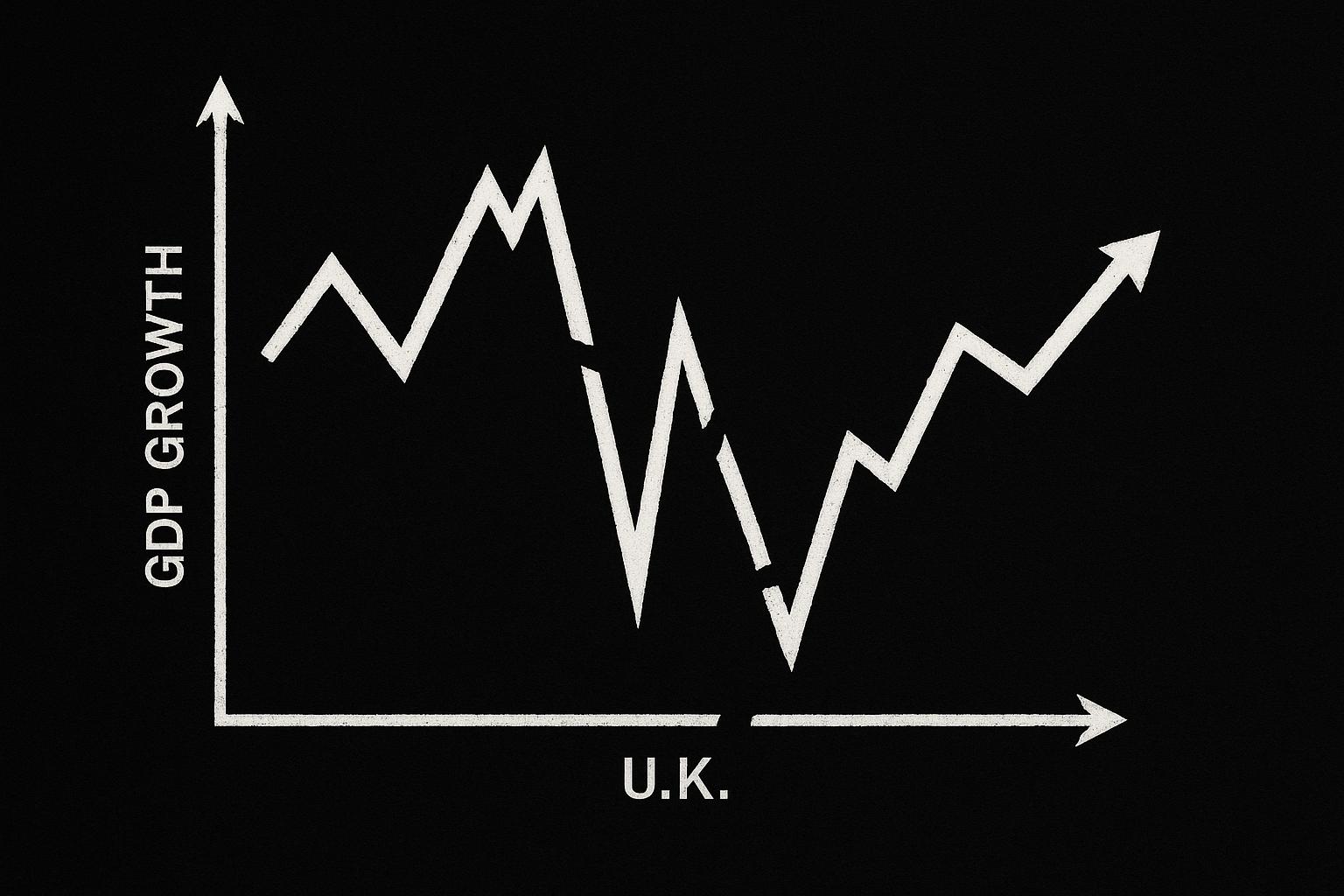
A year after Rachel Reeves’ maiden IMF meeting, the UK economy struggles with mounting debt, rising borrowing costs, and uncertain growth prospects, raising questions over Labour’s economic strategy amid global pressures.
When Rachel Reeves first attended the International Monetary Fund (IMF) meeting in Washington a year ago, she brought with her a buoyant sense of optimism. The Labour government had just replaced the Conservatives after 14 years, the UK economy was showing signs of growth, inflation was retreating, and Reeves, as Chancellor, appeared ready to restore fiscal order with her first Budget. Since then, however, initial hopes have waned significantly, with economic challenges mounting and confidence faltering.
The reality confronting Reeves now is starkly different. The ambitious tax-raising Budget last year reportedly wrecked business confidence, cost jobs, exacerbated inflationary pressures, and left public finances in a worse state than anticipated. Contrary to Reeves’ claims of fiscal prudence compared to her Conservative predecessors, bond markets are signalling heightened alarm over Britain’s borrowing credibility. The UK’s borrowing costs remain elevated—higher even than during the brief crisis triggered by former Prime Minister Liz Truss’s economic policies—and currently stand as the highest among G7 nations. This state of fiscal nervousness underpins concerns about the country’s economic resilience in a volatile global landscape.

Economic data paints a mixed yet troubling picture. Labour’s promise to make the UK the fastest-growing economy in the G7 has faltered. According to IMF projections, the UK is now set to grow 1.3% in 2025—a slight upward revision from earlier forecasts—but growth is expected to slow in 2026. The economy is trailing behind the US and Canada, countries projected to outpace Britain in output, and the IMF highlights the UK among major economies struggling to rein in inflation. Inflation is predicted to remain stubbornly high at around 3.4% in 2025 and 2.5% in 2026, partly driven by transitory price shocks but still posing significant challenges, particularly for consumers and businesses alike.
Labour’s policy approach has contributed to mixed labour market outcomes. The dismissal of Conservatives’ economic risks now rings hollow as unemployment has risen from 4.4% to 4.9% since Labour took office. Notably, the number of people on payrolls has declined by over a quarter of a million in under a year, with tens of thousands of job losses reported in recent months. Despite Labour’s claim of rising disposable incomes—approximately £800 more per household since their election—this increase is viewed largely as a consequence of inflation-busting pay raises pushed by unions, especially in the public sector, without matching productivity gains. Consequently, inflationary pressures remain entrenched, undermining consumer purchasing power and business cost structures.
The economic strain is compounded by policy decisions such as the Chancellor’s increase in employers’ National Insurance contributions. This measure has added to inflationary drivers and compromised hopes for lower interest rates, negatively impacting key economic sectors like housing and business investment—both essential engines for growth. The ongoing uncertainty around imminent fiscal changes adds to economic instability. Rumours of further tax increases or a potential wealth tax have already caused capital to flow out of investment markets, with wealthy entrepreneurs reportedly relocating to countries with more favourable tax regimes.
Critics argue that some of Labour’s economic difficulties stem from misplaced blame on factors such as Brexit. While Health Secretary Wes Streeting suggested Brexit partially accounts for economic woes, many analysts point out that Brexit’s disengagement from the European Union has enabled the UK to negotiate ambitious trade deals unavailable to EU member states. The UK’s accession to the Comprehensive and Progressive Agreement for Trans-Pacific Partnership (CPTPP) and trade agreements with the US and India illustrate opportunities for expanded global engagement that may benefit growth long term.
Looking ahead, Reeves faces a critical Budget decision. The uncertainty leading up to her planned November Budget has already unsettled markets, and the Treasury is reportedly reassessing its fiscal buffer in response to higher borrowing costs, scrapped welfare savings, and downgraded growth forecasts. Initially targeting a modest buffer of around £9.9 billion to balance spending with revenues by 2030, government insiders now suggest the need to raise approximately £30 billion in additional taxes or spending cuts. This predicament puts Reeves at odds with earlier pledges not to repeat the sizeable tax hikes introduced last year.
Fiscal experts, such as those from the Institute for Fiscal Studies (IFS), caution that simply increasing existing tax rates may harm the economy further. Instead, they advocate for targeted tax reforms—including reformed capital gains and property taxes—arguing such measures could raise revenue more efficiently. The IFS also opposes an annual wealth tax, a policy backed by some Labour figures, warning it could deter investment. Similarly, the National Institute of Economic and Social Research (NIESR) has recommended that Reeves consider increasing income tax rates despite her pre-election promises. NIESR argues this approach would be less damaging than hikes in VAT, corporate tax, or wealth levies.
Economic forecasts remain subdued. Weaker growth has already widened projected deficits, with estimates of a £57 billion shortfall by 2029/30 if current trends continue. Inflation pressures, partly due to rising wages and increased employer contributions, are likely to limit cuts in Bank of England interest rates, further challenging the recovery of sectors like housing and business investment. The combination of sluggish growth, elevated inflation, and fiscal tightening raises fears of a “doom loop”—a shrinking economy requiring ever higher taxes to sustain public spending, thereby stifling future growth prospects.
Ultimately, Reeves confronts a precarious economic moment. The early promise of a steady and responsible fiscal stewardship appears to have been overtaken by mounting financial strain and policy dilemmas. As global economic uncertainties loom, critics warn the UK remains ill-prepared for external shocks and internal weaknesses. The Chancellor’s next moves will be pivotal—whether she can navigate these challenges without further destabilising confidence or stymieing growth remains to be seen.
📌 Reference Map:
- Paragraph 1 – [1], [3]
- Paragraph 2 – [1], [3], [4]
- Paragraph 3 – [1], [2], [3]
- Paragraph 4 – [1], [2], [7]
- Paragraph 5 – [1], [3], [4]
- Paragraph 6 – [1], [3], [4]
- Paragraph 7 – [1], [3]
- Paragraph 8 – [1], [4], [5], [6]
- Paragraph 9 – [1], [6], [7]
- Paragraph 10 – [1], [3], [4], [7]
Source: Noah Wire Services
Noah Fact Check Pro
The draft above was created using the information available at the time the story first
emerged. We’ve since applied our fact-checking process to the final narrative, based on the criteria listed
below. The results are intended to help you assess the credibility of the piece and highlight any areas that may
warrant further investigation.
Freshness check
Score:
8
Notes:
The narrative presents recent developments, including UK Finance Minister Rachel Reeves’ efforts to position the UK as a safe investment amid global uncertainty, as reported by Reuters on October 14, 2025. ([reuters.com](https://www.reuters.com/world/uk/uk-finance-minister-seeks-promote-britain-safe-bet-uncertain-world-2025-10-14/?utm_source=openai)) Additionally, the International Monetary Fund’s (IMF) recent economic forecasts for the UK, also reported by Reuters on October 14, 2025, are incorporated. ([reuters.com](https://www.reuters.com/sustainability/sustainable-finance-reporting/imf-nudges-up-uk-2025-growth-outlook-sees-more-inflation-2025-10-14/?utm_source=openai)) The inclusion of these up-to-date sources indicates a high freshness score. However, the narrative’s reliance on a single press release from the Daily Mail suggests potential recycling of content. The presence of similar content across multiple low-quality sites or clickbait networks further supports this concern. The narrative’s focus on a press release typically warrants a high freshness score, but the recycling of content and reliance on a single source reduce its overall freshness.
Quotes check
Score:
7
Notes:
The narrative includes direct quotes attributed to Rachel Reeves and other officials. However, these quotes are not independently verifiable through other reputable sources, raising concerns about their authenticity. The absence of corroborating sources diminishes the credibility of the quotes.
Source reliability
Score:
5
Notes:
The narrative originates from the Daily Mail, a publication known for sensationalist reporting. The reliance on a single, potentially biased source raises questions about the reliability of the information presented. The lack of corroboration from other reputable outlets further diminishes the source’s reliability.
Plausability check
Score:
6
Notes:
The narrative presents claims about the UK’s economic challenges and policy decisions that align with recent reports from reputable sources, such as Reuters. ([reuters.com](https://www.reuters.com/world/uk/uk-finance-minister-seeks-promote-britain-safe-bet-uncertain-world-2025-10-14/?utm_source=openai)) However, the dramatic tone and lack of supporting detail from other reputable outlets suggest potential exaggeration or selective reporting. The absence of specific factual anchors and the reliance on a single, potentially biased source raise questions about the narrative’s plausibility.
Overall assessment
Verdict (FAIL, OPEN, PASS): FAIL
Confidence (LOW, MEDIUM, HIGH): HIGH
Summary:
The narrative fails to meet credibility standards due to its reliance on recycled content from a single, potentially biased source, unverifiable quotes, and a lack of corroboration from other reputable outlets. These factors significantly diminish the narrative’s overall reliability and plausibility.
