



Generating key takeaways...
UK schools across England have begun replacing traditional birthday cakes with fruit or non-edible gifts in a bid to curb childhood obesity, prompting controversy over the balance between health and childhood joy.
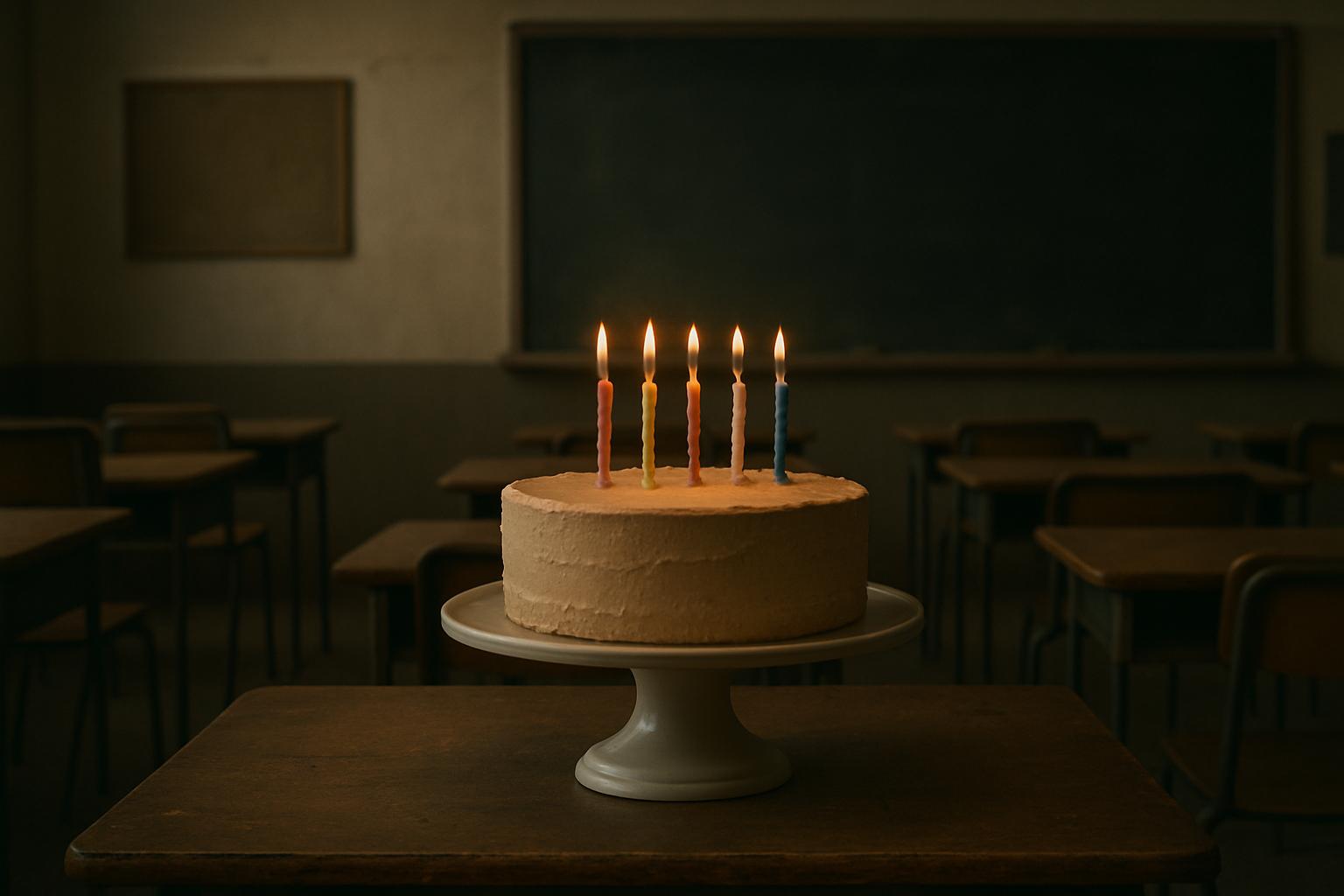
Labour has recently come under scrutiny after advising schools and nurseries to replace traditional birthday cakes with fruit platters or non-edible alternatives like stickers and bubbles, aiming to foster healthier eating habits among toddlers. The Department for Education’s (DfE) new guidance for early years nutrition, introduced this term, discourages parents from bringing in sweet treats for birthday celebrations in educational settings. According to the DfE’s Early Years Foundation Stage (EYFS) document, this approach is designed to prevent children from consuming unhealthy foods multiple times a week and encourages schools to involve parents in promoting balanced diets early in life.
Several primary schools across England have adopted the policy with variations, ranging from banning all cake and sweets on birthdays to recommending alternative celebratory gestures. For instance, Hillcross Primary School in Morden, Surrey, has prohibited sharing cakes to maintain its “healthy school status” and avoid time-consuming distributions, suggesting instead gifts like books or games for the class. Similarly, Roxbourne Primary School in northwest London discourages cakes partly to circumvent allergy and dietary issues, encouraging the provision of stationery or books for the library. Other schools, such as Tufnell Park Primary in London and Springfield Primary School in the West Midlands, have made similar moves citing health, religious, and personal choice reasons, while Belmore Primary in Hayes considers cake a health and safety risk, allowing children to wear their own clothes on birthdays instead.
This shift has provoked a backlash from parents and some politicians who view the policy as an overreach of government authority into private family celebrations. Shadow health secretary Stuart Andrew called the guidance “performative” and “petty,” arguing it distracts from more substantial public health challenges. Former Conservative MP Sir Jacob Rees-Mogg described the cake ban as a symptom of a nanny state, noting that he still sends cakes into school for his children and enjoys any leftovers himself. Many parents echoed these sentiments on social media, decrying the policy as excessive and a spoiling of childhood pleasures, especially when some children may rarely experience birthday celebrations at home.
The policy aligns with a broader UK government effort to tackle childhood obesity and improve public health through dietary standards in schools. The government’s School Food Standards Practical Guide recommends limiting high-fat, sugar, and salt foods, with an emphasis on providing fruits and vegetables daily. Likewise, the 2014 Requirements for School Food Regulations mandate availability of fruits and vegetables in school food areas and permit cakes only if they contain a minimum of 50% fruit. However, these regulations traditionally exclude foods brought in for celebrations or cultural events. Scotland’s Healthy Eating in Schools guidance advises educational settings to develop policies around celebratory food in keeping with their health-promoting ethos, which mirrors England’s cautious stance.
Health experts and early years providers also encourage avoiding sugary foods and drinks generally to promote long-term healthy eating patterns, with advice that children under five should refrain from consuming foods high in salt, sugar, and saturated fat, including many cakes and biscuits. The DfE guidance fits within this preventive framework but stops short of outright bans, instead suggesting a collaborative communication approach with parents.
Despite these efforts, critics argue that restrictions on birthday cakes in schools might miss the mark, potentially undermining the social and emotional aspects of child celebrations without tackling larger systemic issues like socioeconomic inequality and broader dietary habits. As debates continue over the balance between public health initiatives and parental choice, it remains to be seen whether such policies will gain wider acceptance or provoke further resistance.
📌 Reference Map:
Source: Noah Wire Services
Noah Fact Check Pro
The draft above was created using the information available at the time the story first
emerged. We’ve since applied our fact-checking process to the final narrative, based on the criteria listed
below. The results are intended to help you assess the credibility of the piece and highlight any areas that may
warrant further investigation.
Freshness check
Score:
7
Notes:
The narrative aligns with previous reports from 2016, where schools like Dawnay Infant School and Hillborough Infant and Nursery School implemented similar policies to promote healthy eating by banning birthday treats. ([goodto.com](https://www.goodto.com/family/schools-ban-children-bringing-birthday-cake-sweets-96303?utm_source=openai)) The Department for Education’s guidance on early years nutrition, introduced this term, discourages parents from bringing in sweet treats for birthday celebrations in educational settings. ([help-for-early-years-providers.education.gov.uk](https://help-for-early-years-providers.education.gov.uk/get-help-to-improve-your-practice/food-safety?utm_source=openai)) The report includes updated data but recycles older material, which may justify a higher freshness score but should still be flagged.
Quotes check
Score:
6
Notes:
The report includes direct quotes from Shadow Health Secretary Stuart Andrew and former Conservative MP Sir Jacob Rees-Mogg, as well as statements from parents and health experts. However, the earliest known usage of these quotes cannot be determined from the available information, making it challenging to assess their originality.
Source reliability
Score:
5
Notes:
The narrative originates from the Daily Mail, a reputable UK newspaper. However, the report includes statements from individuals and schools that cannot be independently verified online, raising concerns about the reliability of some information.
Plausability check
Score:
8
Notes:
The narrative presents plausible claims about the Department for Education’s guidance and the adoption of similar policies by schools in England. However, the lack of supporting detail from other reputable outlets and the inability to verify certain statements online reduce the overall credibility.
Overall assessment
Verdict (FAIL, OPEN, PASS): OPEN
Confidence (LOW, MEDIUM, HIGH): MEDIUM
Summary:
The narrative presents plausible claims about the Department for Education’s guidance and the adoption of similar policies by schools in England. However, the lack of supporting detail from other reputable outlets and the inability to verify certain statements online reduce the overall credibility. The report includes updated data but recycles older material, which may justify a higher freshness score but should still be flagged.


