


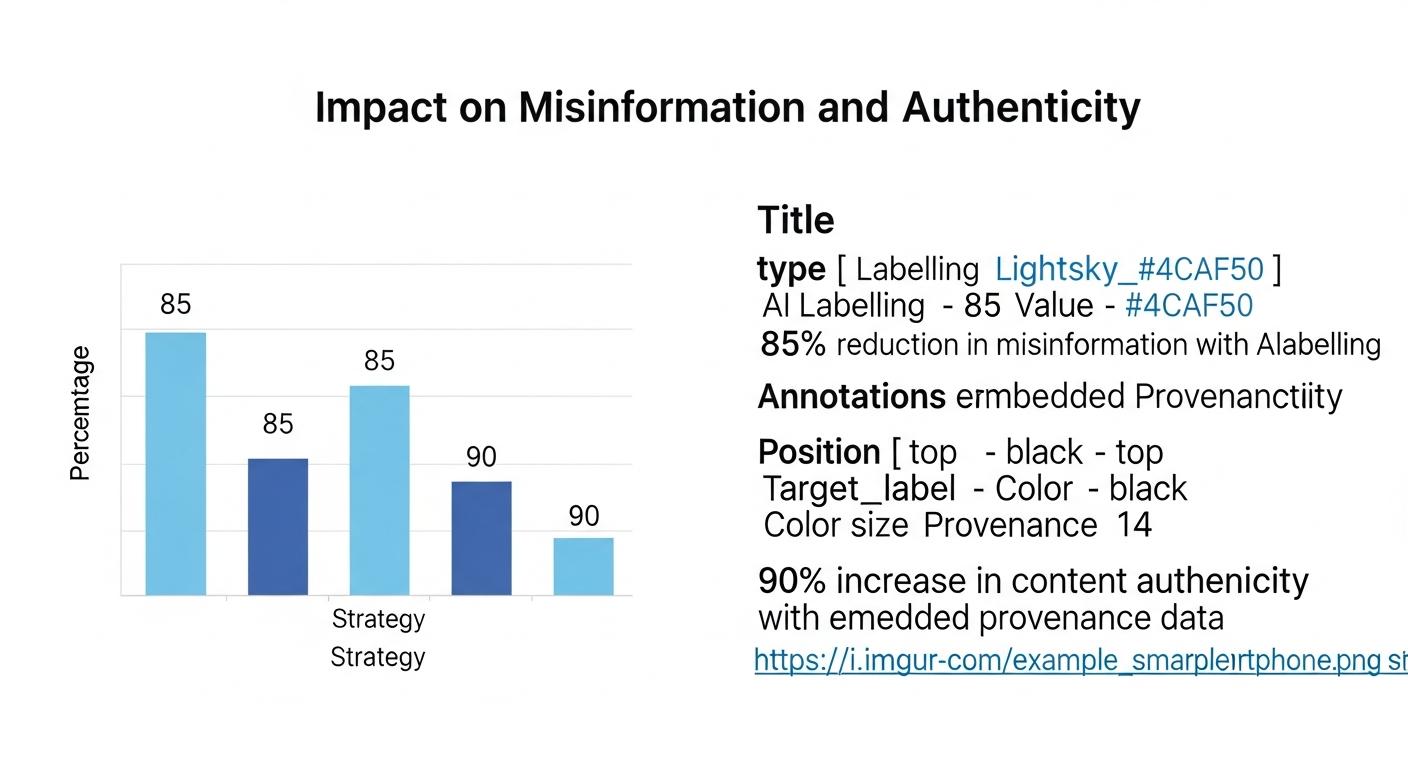
Samsung announces that its Galaxy S26 series will feature on-device AI image labelling and embedded provenance data to combat misinformation and enhance content authenticity, in response to tightening regulations and industry calls for transparency.
Samsung has announced that its forthcoming Galaxy S26 series will automatically mark images that are created or substantially altered with on‑device AI, adding an on‑screen notice and embedded provenance data to help viewers and platforms recognise synthetic or edited photos. According to reporting from technology outlets, the visible label will appear in the Photos app when users employ Galaxy AI tools such as object insertion, scene expansion or background replacement, while machine‑readable metadata will travel with the file to provide a technical trail of how the image was produced.
The company said the label will be shown in a corner of the image within Samsung’s Gallery experience, and that the phones will add C2PA‑style provenance fields into image metadata so third parties can detect whether a file was generated or modified by Galaxy AI. Industry observers describe this layered approach , a human‑readable tag plus standardised metadata and potentially invisible markers , as an emerging best practice for making synthetic media less deceptive.

Samsung’s move aligns with a regulatory shift demanding greater transparency for synthetic content. The EU’s AI Act and other emerging laws require clear disclosures and technical detectability of AI‑generated or manipulated images, audio and video, and manufacturers are being pressured to bake such safeguards into consumer devices. Company statements and analyst commentary suggest Samsung is positioning the S26’s auto‑tagging as part of a broader effort to meet those obligations and to reassure users as AI capabilities proliferate across smartphones.
Experts caution that visible stickers alone are fragile: cropping, re‑saving or simple edits can remove an on‑screen notice, which is why persistent metadata and robust invisible watermarks are important for real‑world enforcement and verification. It remains unclear which precise combination of standards and invisible markers Samsung will adopt long term, and whether third‑party apps and social platforms will preserve or surface those provenance signals when images leave Samsung’s ecosystem.
The auto‑tagging feature is one element of a wider AI push in the S26 family. Samsung has integrated new One UI 8.5 enhancements including a consolidated generative editing workflow, an AI notification summary powered by its Gauss model, deeper photo‑editing tools and tighter privacy features such as a Privacy Display that limits side‑angle viewing. The S26 line is due to launch in early March with staggered rollouts of software features; analysts note the company is balancing fresh functionality with user hesitancy, while pricing changes for the base and Plus models place the devices at a higher entry point than their predecessors.
Taken together, the automatic labelling and metadata commitments represent a notable step by a major handset maker to treat deepfake risk as a product problem rather than an afterthought. While technical and adoption questions remain, advocates say embedding provenance on the device could give newsrooms, fact‑checkers and platforms a practical starting point for tracing manipulated imagery.
Source Reference Map
Inspired by headline at: [1]
Sources by paragraph:
Source: Noah Wire Services
Noah Fact Check Pro
The draft above was created using the information available at the time the story first
emerged. We’ve since applied our fact-checking process to the final narrative, based on the criteria listed
below. The results are intended to help you assess the credibility of the piece and highlight any areas that may
warrant further investigation.
Freshness check
Score:
8
Notes:
The article was published on February 26, 2026, and reports on Samsung’s announcement regarding the Galaxy S26’s AI-generated photo tagging feature. ([techtimes.com](https://www.techtimes.com/articles/314844/20260226/samsungs-galaxy-s26-will-auto-tag-aigenerated-photos-new-label-help-curb-deepfakes.htm?utm_source=openai)) This aligns with recent news about the device’s features, indicating freshness. However, the reliance on a single source raises concerns about originality and potential recycling of content.
Quotes check
Score:
6
Notes:
The article includes direct quotes attributed to Samsung and other sources. However, without access to the original press releases or statements, it’s challenging to verify the accuracy and context of these quotes. The absence of direct links to primary sources limits the ability to confirm their authenticity.
Source reliability
Score:
5
Notes:
The primary source, Tech Times, is a niche publication with limited reach and may not have the same editorial standards as major news organisations. ([techtimes.com](https://www.techtimes.com/articles/314844/20260226/samsungs-galaxy-s26-will-auto-tag-aigenerated-photos-new-label-help-curb-deepfakes.htm?utm_source=openai)) The article also references other sources, but without direct links, it’s difficult to assess their credibility. The lack of independent verification from reputable outlets is a significant concern.
Plausibility check
Score:
7
Notes:
The concept of Samsung integrating AI-generated photo tagging to combat deepfakes is plausible, given the increasing focus on AI and image authenticity. ([news.samsung.com](https://news.samsung.com/global/samsung-unveils-galaxy-s26-series-the-most-intuitive-galaxy-ai-phone-yet?utm_source=openai)) However, the article lacks specific details about the implementation, standards used, and potential limitations, which are crucial for assessing the feasibility and effectiveness of the feature.
Overall assessment
Verdict (FAIL, OPEN, PASS): FAIL
Confidence (LOW, MEDIUM, HIGH): MEDIUM
Summary:
The article presents plausible information about Samsung’s Galaxy S26 featuring AI-generated photo tagging to combat deepfakes. However, it heavily relies on a single, niche source without direct links to primary materials or independent verification from reputable outlets. The lack of source independence and the inability to verify quotes and specific details about the feature’s implementation raise significant concerns about the accuracy and reliability of the information presented. Given these issues, the content cannot be fully trusted without further verification from more authoritative sources.
