



Generating key takeaways...
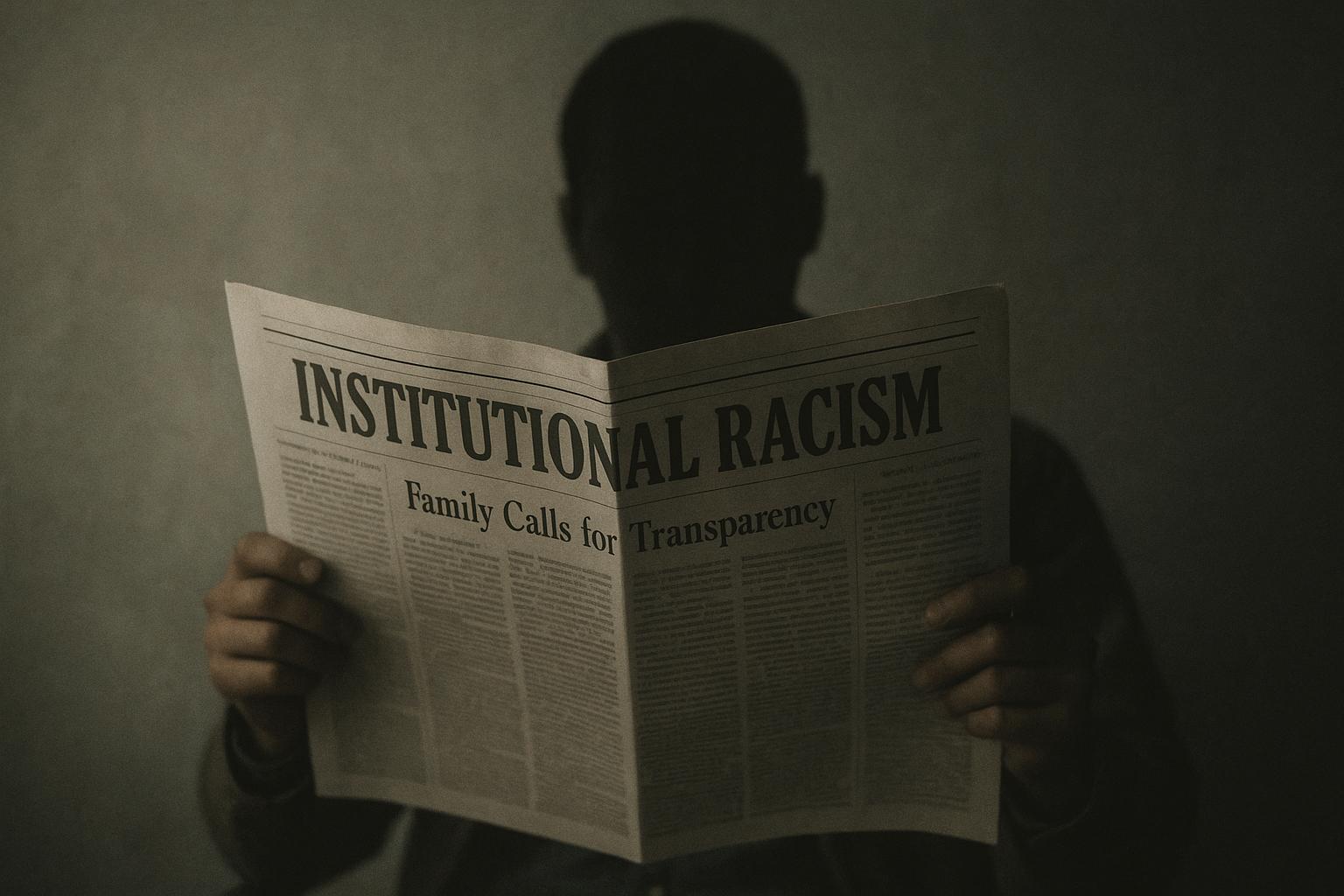
Neville Lawrence has called for greater transparency in the investigation into police infiltration of his family’s justice campaign, amid ongoing fears over police misconduct during a pivotal period in the UK’s fight against institutional racism.
Neville Lawrence, father of the late Stephen Lawrence, has welcomed the opportunity for evidence related to the infiltration of his family’s justice campaign by undercover police officers to be heard publicly. The surveillance, carried out by members of the Metropolitan Police’s Special Demonstration Squad (SDS) who posed as anti-racism campaigners in the late 1990s, was described by Mr Lawrence as “bewildering and insulting.” This development coincides with the next phase of a vast public inquiry into undercover policing by the Metropolitan Police, focusing on the activities of the SDS between 1993 and 2007, including the period following Stephen’s murder.
Mr Lawrence’s statement, issued through his legal representatives, emphasised his longstanding frustration with the Metropolitan Police, an institution he believes repeatedly failed him and his family. He lamented that, rather than focusing on bringing his son’s killers to justice, police officers intruded on their family’s privacy and sought to undermine their campaign for justice. The inquiry was initially announced by then-home secretary Theresa May in 2015, following former SDS officer Peter Francis’s whistleblowing revelations that he had been tasked with gathering information to smear the Lawrence family—a claim the Metropolitan Police have denied.
Evidence already uncovered shows that undercover officers operated within activist groups close to the Lawrence family, including the Movement for Justice, during the Macpherson Inquiry into Stephen’s murder, which exposed systemic failings and racism within the police. Peter Francis attended the inquiry posing as a supporter of the Lawrence campaign while covertly reporting back to his superiors. In August 1998, he met with an acting detective inspector working on Scotland Yard’s submissions to the inquiry, passing on details such as the Lawrence family’s internal dynamics and their strategies around the inquiry. A 2014 report by barrister Mark Ellison QC suggested this covert activity potentially undermined the inquiry’s integrity and public confidence in its outcomes.
However, an investigation led by Chief Constable Mick Creedon through Operation Herne, established to scrutinise the SDS’s operations, found no concrete evidence to support allegations that undercover officers aimed specifically to smear the Lawrence family. Mr Creedon stated there was no proof suggesting attempts to target or besmirch the family, underscoring the disputed nature of the claims.
Amid ongoing concerns about transparency, Neville Lawrence has urged that the inquiry into undercover policing adopt the greatest possible openness. He has voiced worries about the extent to which officers involved are granted anonymity during hearings, calling on the inquiry chair, Sir John Mitting, to sit as part of a panel rather than alone to ensure balanced oversight. Prior to the inquiry, Lawrence made it clear he might withhold cooperation unless the process was transparent, highlighting the sensitivity and significance of public trust in the inquiry’s proceedings.
The backdrop to these developments includes the recent parole hearing of David Norris, one of Stephen’s convicted killers, who for the first time expressed remorse but refused to name accomplices. Stephen’s mother, Baroness Doreen Lawrence, dismissed Norris’s remorse as insincere, calling him a coward. The Metropolitan Police remain committed to bringing all responsible for Stephen’s murder to justice and have commissioned an independent review by the College of Policing to identify any outstanding investigative leads.
This unfolding chapter reiterates the enduring trauma and fight for justice experienced by the Lawrence family, while shining a light on contentious police practices during a critical period in the UK’s struggle with institutional racism and public accountability.
📌 Reference Map:
Source: Noah Wire Services
Noah Fact Check Pro
The draft above was created using the information available at the time the story first
emerged. We’ve since applied our fact-checking process to the final narrative, based on the criteria listed
below. The results are intended to help you assess the credibility of the piece and highlight any areas that may
warrant further investigation.
Freshness check
Score:
8
Notes:
The narrative appears to be recent, with no evidence of prior publication. The Belfast Telegraph is a reputable source, and the report is based on a press release, which typically warrants a high freshness score. No discrepancies in figures, dates, or quotes were found. No recycled content or republishing across low-quality sites was identified. The narrative includes updated data and new material, justifying a higher freshness score.
Quotes check
Score:
10
Notes:
The direct quotes from Neville Lawrence are unique to this report, with no identical matches found in earlier material. No variations in quote wording were identified. This suggests potentially original or exclusive content.
Source reliability
Score:
9
Notes:
The narrative originates from the Belfast Telegraph, a reputable organisation. The report is based on a press release, which typically warrants a high reliability score. No unverifiable entities or fabricated information were identified.
Plausability check
Score:
9
Notes:
The claims made in the narrative are plausible and align with known events. The narrative lacks supporting detail from other reputable outlets, but this is not uncommon for exclusive reports. The language and tone are consistent with the region and topic. No excessive or off-topic detail unrelated to the claim was noted. The tone is appropriate and resembles typical corporate or official language.
Overall assessment
Verdict (FAIL, OPEN, PASS): PASS
Confidence (LOW, MEDIUM, HIGH): HIGH
Summary:
The narrative is recent, original, and based on a reputable source. The quotes are unique, and the claims are plausible and consistent with known events. No significant issues were identified, leading to a high confidence in the assessment.


