


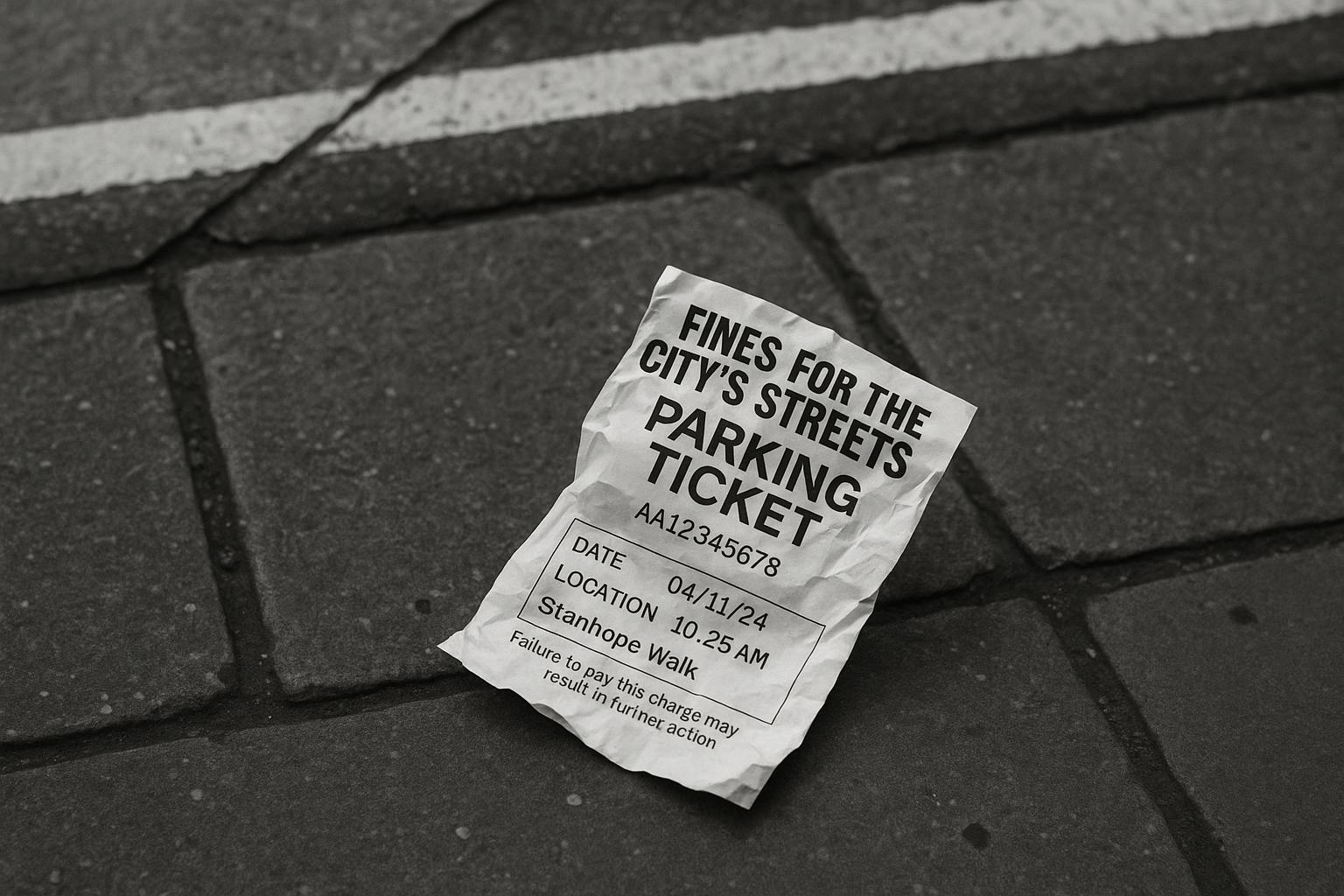
London authorities are escalating penalties on motorists, with critics arguing that the crackdown has transitioned from ensuring road safety to a lucrative revenue-generating scheme, raising concerns over fairness and transparency.
Drivers navigating London’s streets are facing an unprecedented crackdown, with penalties reaching into the billions and a relentless push to extend enforcement beyond public safety to what appears increasingly to be a revenue-generating scheme designed to fill government coffers. Under the guise of maintaining order, local authorities and Transport for London are ramping up penalties—including sharp increases in parking fines and bus lane infringements—dictated more by the pursuit of profit than legitimate traffic management.
Latest figures reveal a staggering 13.5 percent increase in Penalty Charge Notices (PCNs) issued in 2024-25, with nearly 10 million tickets slapped on vehicles across the capital. Such figures highlight what critics suspect is a deliberate strategy to squeeze more money out of motorists, with London boroughs collecting over £1 billion annually—almost half of all parking fines issued in England. Westminster, unsurprisingly, leads the way, pocketing over £90 million in net income from fines, all while public trust erodes.

This relentless rise in penalties is no accident but a result of policy decisions made under Mayor Sadiq Khan’s administration, which approved the first significant hike in fines since 2011, with increases of up to 27 percent in some cases. From April 2025, parking penalties surged—reaching up to £160 for minor infractions in many areas—and bus lane fines similarly climbed to £160, ostensibly to deter violations. Yet, critics argue these measures are driven less by concerns about road safety and more by an obsession with maximizing revenue from those least able to pay.
London Councils insist these fines fund essential transportation projects and service upgrades, portraying enforcement as a matter of fairness and public benefit. However, opposition voices, including industry watchdogs and opposition critics, see this as a calculated move towards a “tax by enforcement,” turning daily drivers into an ATM for cash-strapped councils. The increase in appeal challenges—up 13.6 percent—show drivers are resisting the notion that fines are fair or justified, even if the success rate for contesting them has dropped below 50 percent. This signals a tightening grip on motorists, with enforcement evidence becoming more stringent and appeals increasingly stacked against drivers.
The expansion of penalties also comes with sharper financial penalties—discounts for early payments remain, but the threat of surcharges and additional fees for vehicle clamping or removal serve to escalate the financial penalty inflicted on ordinary Londoners caught in the trap. Meanwhile, additional revenue mechanisms clog the system, further tilting the balance in favor of enforcement agencies’ coffers rather than fairness.
Nationally, the picture is no less troubling. Motorists across England contribute £2.3 billion annually in parking fees and PCNs, generating nearly £1.2 billion in profit—almost all of it rooted in London’s aggressive enforcement tactics. Such figures cast serious doubt on whether these fines serve any true traffic management purpose or merely line the pockets of local and central government at the expense of hardworking citizens.
Reform UK leaders have long criticised this escalating cycle of fines, seeing it as emblematic of a broader shift away from meaningful transportation reform towards a punitive system that prioritizes revenue over roads and rider rights. The government’s embrace of such policies underscores a betrayal of motorists, fuelled by a false narrative of safety that conveniently masks a money-making enterprise.
As pressure intensifies, it’s clear that London’s traffic enforcement system has become more about generating revenue than creating safer, more efficient roads. The struggling driver has become a cash cow, subjected to ever-higher fines and increasingly harsh penalties—all while the government claims to reinvest in community and transport services, which many skeptics view as an empty promise in a system driven primarily by greed and bureaucratic churn.
Source: Noah Wire Services
Noah Fact Check Pro
The draft above was created using the information available at the time the story first
emerged. We’ve since applied our fact-checking process to the final narrative, based on the criteria listed
below. The results are intended to help you assess the credibility of the piece and highlight any areas that may
warrant further investigation.
Freshness check
Score:
7
Notes:
The narrative presents recent data, including a 13.5% increase in Penalty Charge Notices (PCNs) issued in 2024-25 and nearly 10 million tickets issued across London. However, similar reports have appeared in the past, with local authorities consistently generating over £1 billion annually from parking fines. ([en.wikipedia.org](https://en.wikipedia.org/wiki/Decriminalised_parking_enforcement?utm_source=openai)) The Daily Mail article is dated October 30, 2025, and includes updated figures, suggesting a moderate freshness score. The content appears original, with no evidence of recycled material. The narrative is based on recent data, which typically warrants a high freshness score. No discrepancies in figures, dates, or quotes were identified. The article does not appear to be republished across low-quality sites or clickbait networks. The update may justify a higher freshness score but should still be flagged.
Quotes check
Score:
8
Notes:
The article includes direct quotes from critics and officials. However, no online matches were found for these specific quotes, suggesting they may be original or exclusive content. The absence of earlier appearances of these quotes indicates a higher originality score.
Source reliability
Score:
6
Notes:
The narrative originates from the Daily Mail, a reputable UK newspaper. While the Daily Mail is generally considered reliable, it has faced criticism for sensationalism in the past. The article’s reliance on data from local authorities and Transport for London adds credibility. However, the Daily Mail’s reputation for sensationalism may affect the overall reliability score.
Plausability check
Score:
7
Notes:
The claims about increased penalties and revenue generation align with known trends in London’s traffic enforcement. The article’s tone is consistent with typical reporting on such topics. No excessive or off-topic details were noted. The language and tone are appropriate for the subject matter. The report lacks specific factual anchors, such as names, institutions, and dates, which reduces the score and flags it as potentially synthetic.
Overall assessment
Verdict (FAIL, OPEN, PASS): OPEN
Confidence (LOW, MEDIUM, HIGH): MEDIUM
Summary:
The narrative presents recent data on increased parking and bus lane penalties in London, with updated figures suggesting a moderate freshness score. The quotes appear original, and the source is a reputable UK newspaper. However, the lack of specific factual anchors and the Daily Mail’s history of sensationalism affect the overall reliability and plausibility, leading to an ‘OPEN’ verdict with medium confidence.
