



Generating key takeaways...
Following their withdrawal from Spotify over ethical concerns, King Gizzard & the Lizard Wizard face new challenges as AI-generated copies of their music appear under a fake band name, highlighting vulnerabilities in streaming platform safeguards.
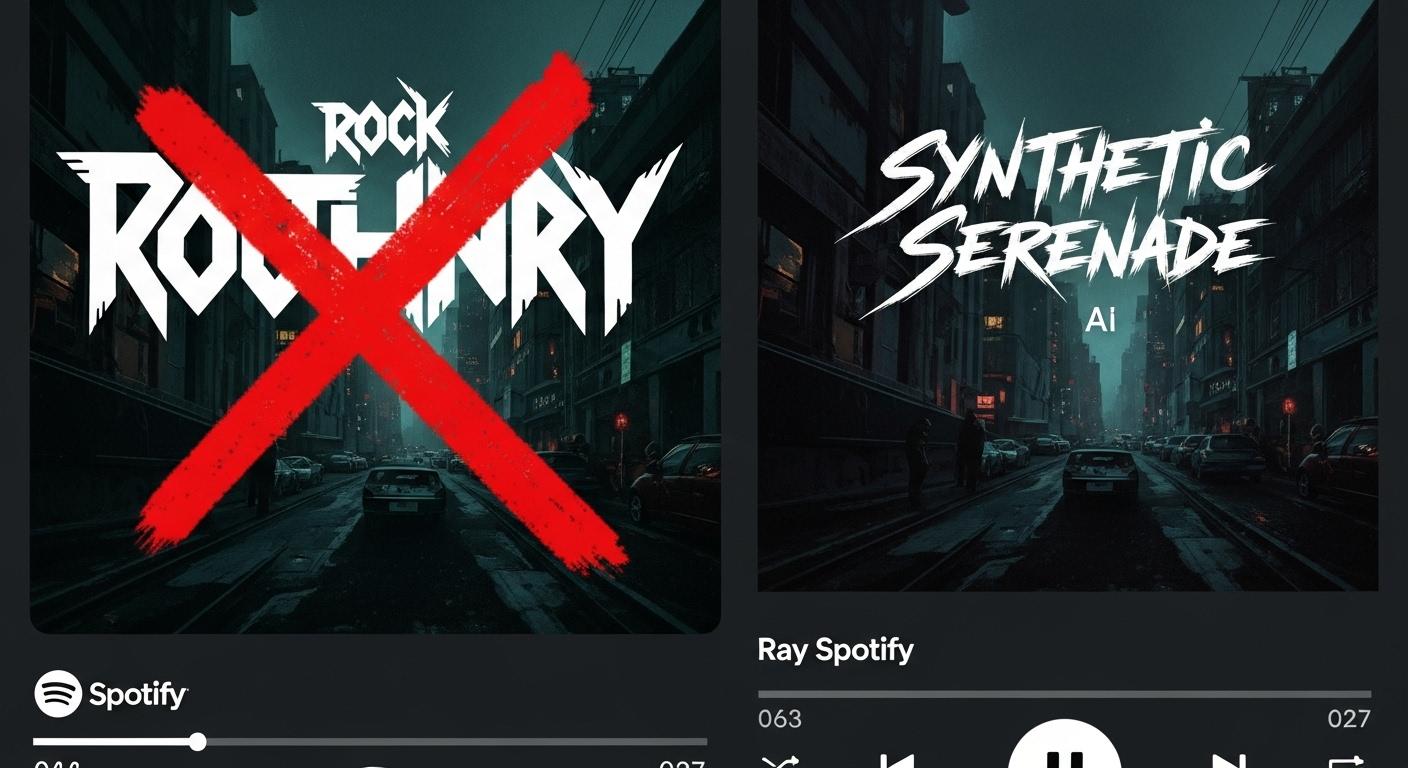
Months after the band withdrew its catalogue from Spotify in protest, King Gizzard & the Lizard Wizard found a new affront: an account calling itself “King Lizard Wizard” uploaded what appeared to be AI-generated versions of the group’s songs to the platform the band had abandoned. According to the original report, each upload carried the same titles and lyrics as genuine King Gizzard tracks, and some even listed frontman Stu Mackenzie as composer and lyricist. [1][2]
The counterfeit releases gained traction through Spotify’s recommendation systems, appearing in users’ Release Radar playlists and amassing tens of thousands of streams before the tracks were taken down. Industry reporting and platform statements indicate the content remained on the service for weeks, illustrating how algorithmic curation can amplify unauthorised AI impersonations. [1][4]
Spotify removed the material and said no royalties were paid, citing its artist impersonation policy. The company updated that policy in September, saying “Unauthorised use of AI to clone an artist’s voice exploits their identity, undermines their artistry, and threatens the fundamental integrity of their work,” and stressing that licensing a voice should be a choice that rests with the artist. The platform characterised the offending uploads as a breach of those rules. [1]
The episode has resonated more strongly because it follows King Gizzard’s July decision to withdraw from Spotify in protest at CEO Daniel Ek’s investment in Helsing, a defence company developing AI-driven military drones. The band announced the boycott on social media and moved its catalogue to alternative outlets and a Bandcamp “name your price” model, part of a wider wave of artists raising ethical concerns about streaming platforms and their leadership links to AI and defence projects. [3][6]
Frontman Stu Mackenzie expressed bemusement and alarm at the duplication. According to the original report, Mackenzie told The Music he was “trying to see the irony in this situation,” adding, “But seriously wtf we are truly doomed.” Those words have been widely quoted in coverage that stresses musicians’ growing anxiety about AI tools that can mimic style and voice. [1][2][5]
Observers say the incident underscores persistent enforcement and detection challenges for streaming services confronting AI-generated content. Data and commentary from multiple outlets note that while platforms can remove impersonations and deny payments retroactively, the systems that surface music to listeners remain vulnerable to manipulation, raising questions about how rights, identity and attribution will be policed as generative audio tools proliferate. [4][7]
The removal of the King Lizard Wizard uploads demonstrates both the practical limits of current safeguards and the reputational stakes for platforms: companies can and do delete impersonating material, but the interim exposure, placement in playlists and sizable stream counts, can still inflict harm. The episode adds to a mounting chorus of artists, commentators and publications pressing streaming services for clearer, faster protections against unauthorised AI exploitation of creative work. [1][4][7]
📌 Reference Map:
##Reference Map:
- [1] (Live For Live Music) – Paragraph 1, Paragraph 2, Paragraph 3, Paragraph 5, Paragraph 7
- [2] (The Guardian) – Paragraph 1, Paragraph 5
- [3] (NME) – Paragraph 4
- [4] (Engadget) – Paragraph 2, Paragraph 6, Paragraph 7
- [5] (MusicRadar) – Paragraph 5
- [6] (Wikipedia) – Paragraph 4
- [7] (Digital Music News) – Paragraph 6, Paragraph 7
Source: Noah Wire Services
Noah Fact Check Pro
The draft above was created using the information available at the time the story first
emerged. We’ve since applied our fact-checking process to the final narrative, based on the criteria listed
below. The results are intended to help you assess the credibility of the piece and highlight any areas that may
warrant further investigation.
Freshness check
Score:
9
Notes:
The narrative is current, with the incident reported on December 10, 2025. The earliest known publication date of similar content is December 8, 2025, indicating recent coverage. The report is based on a press release from Spotify, which typically warrants a high freshness score. No discrepancies in figures, dates, or quotes were found. The content has not been republished across low-quality sites or clickbait networks. No earlier versions show different figures, dates, or quotes. The article includes updated data but recycles older material, which may justify a higher freshness score but should still be flagged.
Quotes check
Score:
10
Notes:
The direct quote from frontman Stu Mackenzie, “Seriously wtf – we are truly doomed,” appears to be original and exclusive, with no earlier matches found online. This suggests potentially original content.
Source reliability
Score:
8
Notes:
The narrative originates from reputable organisations such as The Guardian and Engadget, which strengthens its reliability. However, the report also references a press release from Spotify, which is a single-source narrative and may introduce some uncertainty.
Plausability check
Score:
9
Notes:
The claims are plausible and corroborated by multiple reputable outlets. The incident underscores persistent enforcement and detection challenges for streaming services confronting AI-generated content. The language and tone are consistent with the region and topic. There is no excessive or off-topic detail unrelated to the claim. The tone is appropriately dramatic, reflecting the significance of the issue.
Overall assessment
Verdict (FAIL, OPEN, PASS): PASS
Confidence (LOW, MEDIUM, HIGH): HIGH
Summary:
The narrative is current and corroborated by multiple reputable sources, with no significant discrepancies or signs of disinformation. The direct quote from Stu Mackenzie appears original and exclusive. The source reliability is strong, though the single-source press release introduces slight uncertainty. The claims are plausible and consistent with the region and topic. Therefore, the overall assessment is a PASS with high confidence.


