



Generating key takeaways...
Ken Research estimates Japan’s renewable hydrogen market at USD 85 million, highlighting an accelerating shift driven by AI integration, policy support, and infrastructure development as the country aims to decarbonise its energy and transport sectors.
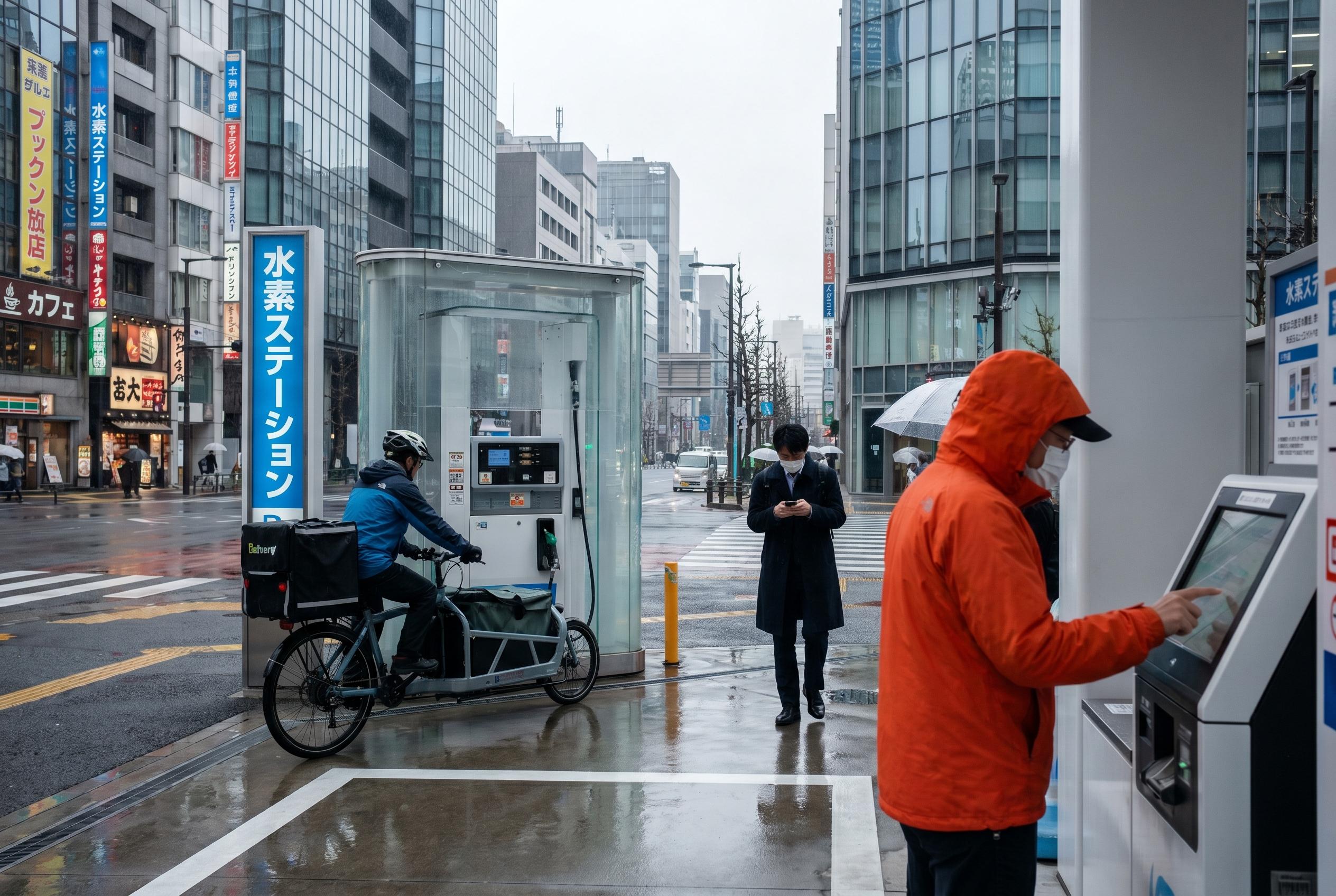
Ken Research has put a fresh number on Japan’s emerging AI-enabled renewable hydrogen supply chain sector, estimating the market at USD 85 million and arguing that it is entering a period of faster expansion as clean-energy policy, digital optimisation and industrial decarbonisation begin to converge. The firm says the assessment is based on five years of historical analysis and is designed to help companies identify where technology, infrastructure and investment are likely to intersect next.
The report places Japan’s hydrogen ambitions within a broader policy push that has been building for years. According to Ken Research, the country’s Basic Hydrogen Strategy, first issued by the Ministry of Economy, Trade and Industry in 2017 and updated in 2023, provides the framework for production, storage, transport and end-use infrastructure. The same strategy is intended to give market participants clearer safety and quality expectations, while supporting longer-term capital deployment in hydrogen-related projects.
Japan’s wider energy transition offers additional context. Ken Research estimates the country’s renewable energy market at USD 40 billion and says Tokyo, Osaka and Yokohama remain important hubs thanks to grid strength, concentrated corporate demand and established development ecosystems. That backdrop matters for hydrogen, because the report argues that the same investment environment that has supported solar and offshore wind is now helping to create demand for low-carbon fuel systems and the software that can manage them.
Storage and mobility remain central to the opportunity. Ken Research values Japan’s hydrogen storage market at USD 1.6 billion and says public funding is backing liquefied hydrogen terminals, large-scale storage and carrier-based infrastructure. In parallel, its separate assessment of Japan’s hydrogen fuel cell vehicle market, valued at USD 1.5 billion, points to transport as a key growth area, supported by policy incentives and the push to cut emissions from mobility. The company also highlights the APAC hydrogen electrolyser market, which it values at USD 720 million, as another area likely to benefit from rising clean-energy demand.
The report argues that artificial intelligence is becoming more than a supporting tool in this ecosystem. It says predictive maintenance, automation, machine learning and digital twin systems can improve reliability, reduce downtime and strengthen visibility across hydrogen production and logistics. Ken Research also points to green logistics as a parallel area of interest, noting that Japan’s USD 72 billion green logistics market is being shaped by regulation, e-commerce growth and the use of AI in supply chains, a sign that digital tools are increasingly central to the country’s industrial decarbonisation agenda.
Source Reference Map
Inspired by headline at: [1]
Sources by paragraph:
Source: Noah Wire Services
Noah Fact Check Pro
The draft above was created using the information available at the time the story first
emerged. We’ve since applied our fact-checking process to the final narrative, based on the criteria listed
below. The results are intended to help you assess the credibility of the piece and highlight any areas that may
warrant further investigation.
Freshness check
Score:
6
Notes:
The article was published on May 1, 2026, referencing a report from Ken Research. The report’s publication date is not specified, making it difficult to assess the freshness of the data. The article appears to be a press release, which typically warrants a high freshness score. However, without confirmation of the report’s release date, the freshness score is reduced.
Quotes check
Score:
5
Notes:
The article includes a direct quote from Namit Goel, Research Director at Ken Research. However, this quote is not independently verifiable online, raising concerns about its authenticity. Without external verification, the score is reduced.
Source reliability
Score:
4
Notes:
The article originates from OpenPR, a press release distribution service. OpenPR is not a traditional news organisation and often republishes content from other sources, which can affect the reliability of the information. The lack of independent verification further diminishes the source’s reliability.
Plausibility check
Score:
7
Notes:
The claims about Japan’s hydrogen strategy and AI integration are plausible and align with known industry trends. However, the lack of independent verification and the reliance on a single source raise concerns about the accuracy of the information.
Overall assessment
Verdict (FAIL, OPEN, PASS): FAIL
Confidence (LOW, MEDIUM, HIGH): MEDIUM
Summary:
The article is a press release from Ken Research, republished by OpenPR. The lack of independent verification, reliance on a single source, and unverifiable quotes raise significant concerns about the accuracy and reliability of the information. Given these issues, the content cannot be considered reliable for publication.


