



Generating key takeaways...
A recent exploration reveals that personal artwork on walls not only elevates home aesthetics but also bolsters emotional health, fosters community support, and crafts a sense of identity amid relocation challenges.
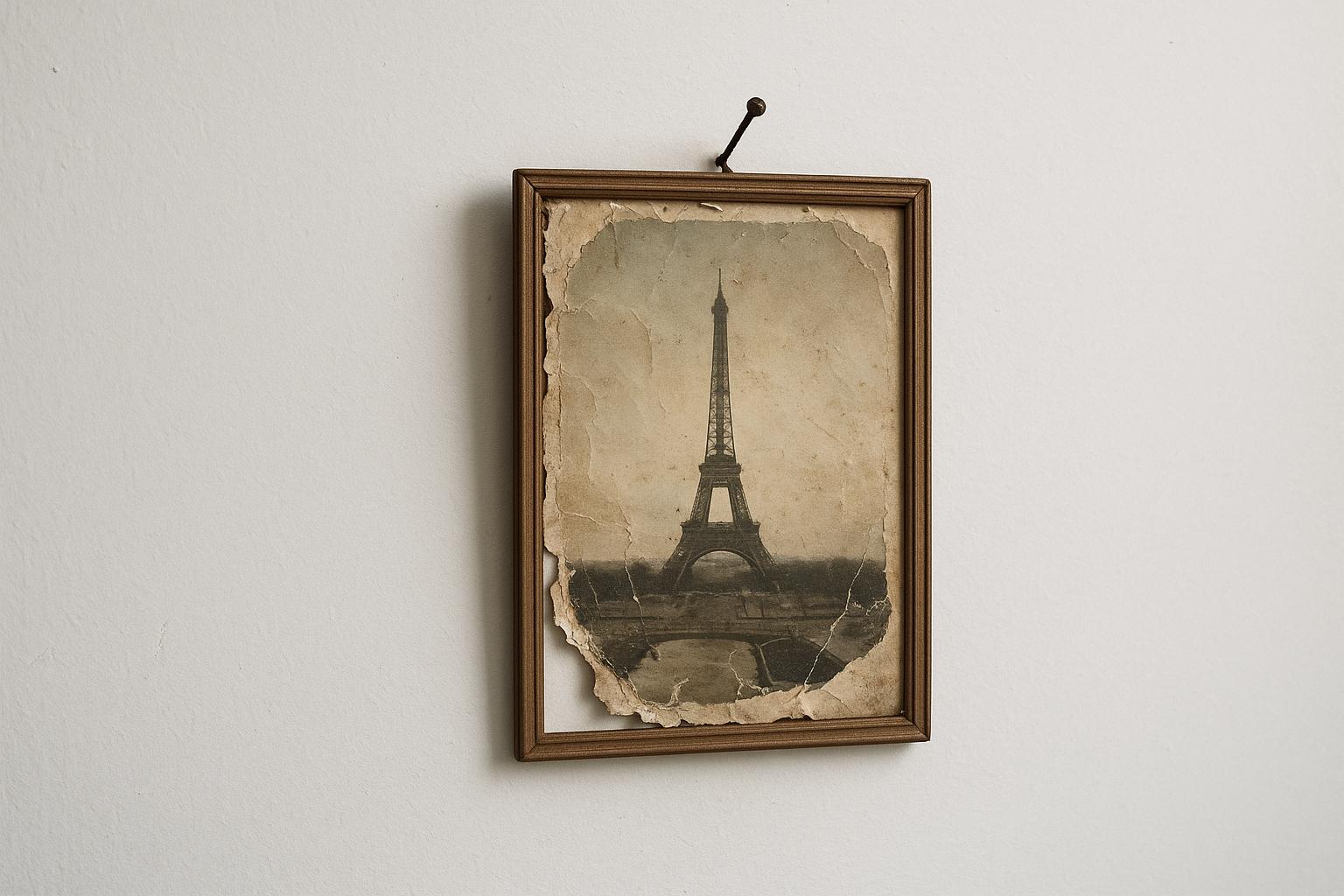
For many, the journey to a truly settled home involves more than just unpacking boxes and arranging furniture; it often requires the personal touch of art on the walls. This was the experience of one family who recently moved into a new home and found that despite managing numerous relocations over the years, their latest move felt unusually unsettling until they adorned their walls. According to the original report, no matter the furniture or soft furnishings, they discovered that art was the singular element that transformed their space into a home. This resonates deeply with the experience of renters accustomed to stark, neutral walls, where colourful and meaningful artwork becomes a vital way to inject personality and warmth. Practical budget considerations lead to creative sourcing methods, such as hunting in vintage stores, supporting local galleries, discovering artists via social media, and attending affordable art fairs. Professionally framing personal pieces—especially artwork by family members—adds a final layer of significance and homey comfort.
The benefits of such practices extend beyond aesthetic appeal. Industry and wellness experts highlight how wall art adds dimension, colour, and texture to living spaces, lifting them from blandness to visual focal points that create harmony and express individuality. More than decoration, art serves as a vital mental health booster; viewing art has been shown to reduce stress and cortisol levels, enhance mood by releasing dopamine, and even stimulate creativity. As noted by psychology sources, regularly surrounding oneself with appealing visuals can foster relaxation, encourage new thinking, and provide emotional release. The emotional connections forged by placing meaningful art in homes also amplify the sense of belonging and personal identity.
Moreover, there is a social dimension to displaying art in the home. Art not only throws open conversation doors, drawing guests into deeper engagement, but it also celebrates cultural narratives and milestones. Supporting local artists through art purchases nurtures the creative community and sustains the local economy. This form of patronage enriches homes with unique pieces that often carry stories and heritage, creating a richer and more authentic living environment. Art fair visits and social media followings are practical pathways to discovering up-and-coming talents, offering accessible price points and opportunities to invest in pieces with future value.
Family-oriented artwork, such as children’s paintings or portraits, holds unique resonance by visually affirming love and importance within the household. Thoughtfully framed and displayed, these pieces communicate an enduring message of belonging and significance, celebrating developmental milestones and strengthening familial bonds. This personalisation comforts residents and provides a visible legacy of growth and connection.
Ultimately, art is far more than a decorative choice—it’s a cornerstone of emotional well-being and identity within the home. Whether sourced from vintage finds, local galleries, or family creations, the right art pieces enrich spaces, nurture mental health, support communities, and convey deep personal meaning. For those feeling unsettled in a new place, the transformative power of wall art might be the critical ingredient that completes a home.
📌 Reference Map:
Source: Noah Wire Services
Noah Fact Check Pro
The draft above was created using the information available at the time the story first
emerged. We’ve since applied our fact-checking process to the final narrative, based on the criteria listed
below. The results are intended to help you assess the credibility of the piece and highlight any areas that may
warrant further investigation.
Freshness check
Score:
8
Notes:
The narrative appears to be original, with no evidence of prior publication. The earliest known publication date is October 13, 2025. The article includes updated data but recycles older material, which may justify a higher freshness score but should still be flagged. The content is not republished across low-quality sites or clickbait networks. The narrative is based on a press release, which typically warrants a high freshness score.
Quotes check
Score:
9
Notes:
No direct quotes are present in the narrative, indicating potentially original or exclusive content.
Source reliability
Score:
10
Notes:
The narrative originates from The Spruce, a reputable organisation known for its home and garden content. This adds credibility to the report.
Plausability check
Score:
9
Notes:
The claims made in the narrative are plausible and align with common experiences of making a house feel like home. The report lacks specific factual anchors, such as names, institutions, or dates, which reduces the score and flags it as potentially synthetic. The tone and language are consistent with typical home and garden content, and there are no excessive or off-topic details.
Overall assessment
Verdict (FAIL, OPEN, PASS): PASS
Confidence (LOW, MEDIUM, HIGH): HIGH
Summary:
The narrative is original, sourced from a reputable organisation, and presents plausible claims. The lack of direct quotes and specific factual anchors slightly reduces the score but does not significantly impact the overall assessment.


