



Generating key takeaways...
Advances in commercial Earth-observation imagery enable insurers to assess property risks with unprecedented precision and timeliness, potentially reshaping underwriting practices and market access strategies amid climate-related threats.
Insurers have long used location data to gauge catastrophe exposure, but the tools now available are changing what that means in practice. An opinion piece in Dig.In argues that advances in commercial Earth-observation data are allowing carriers to move beyond broad, static views of hazard and towards a more granular picture of how risk is shifting on individual properties over time. That matters as wildfire, flood, convective storm and hurricane losses continue to pressure balance sheets, and as the industry weighs whether better data will be used to broaden coverage or simply sharpen the logic of non-renewals.
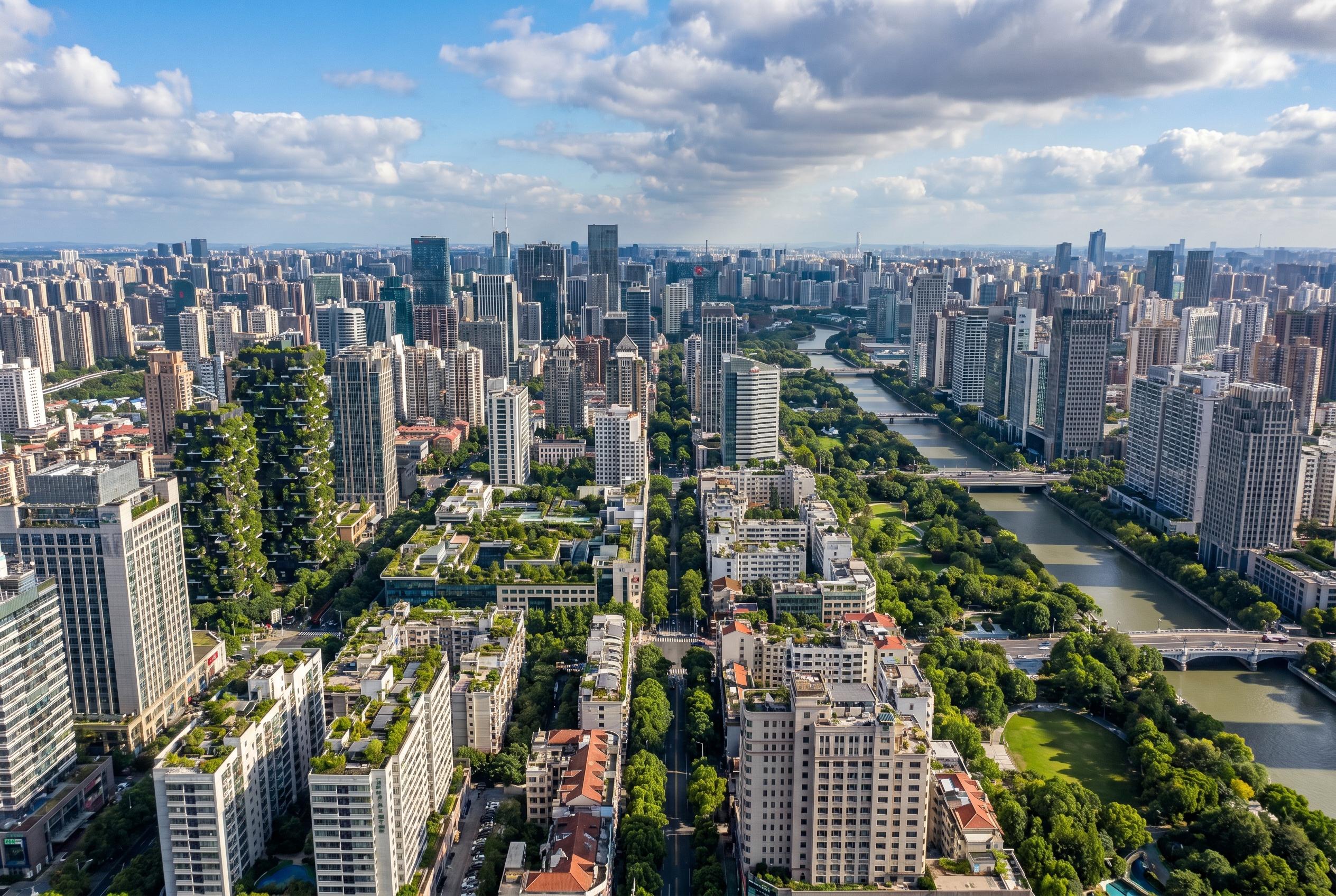
The most important change is that geospatial information is becoming far more precise. Traditional satellite products often resolved the world at a scale too coarse to assess a single home or parcel, but newer commercial imagery can support sub-metre analysis. According to the Dig.In piece, that opens the door to roof-condition scoring, debris detection and defensible-space assessment without sending someone on site. It also means underwriters can evaluate the specific characteristics of a property rather than relying only on regional hazard overlays.
Equally significant is the shift from occasional snapshots to continuous monitoring. The article notes that many catastrophe models still depend on exposure files refreshed only once a year, if that. Daily revisit cycles from satellite constellations make it possible to track whether vegetation is closing in on a building, whether a roof is deteriorating or whether new structures have appeared. But, as the piece points out, those gains depend on consistency in lighting, angle and sensor calibration; without that, change-detection systems can mistake noise for real-world movement.
The third advance is spectral information beyond what the eye can see. Near-infrared readings can reveal stress in vegetation that visible imagery misses, while shortwave infrared data can help distinguish soil and plants from concrete or asphalt, which is particularly useful in flood modelling. The article says these signals have existed in research datasets for years, but only recently have they become practical at the resolution and cadence needed for underwriting workflows.
That workflow question is where many geospatial projects succeed or fail. The Dig.In piece argues that the data has to arrive in time to influence a bind decision, be embedded in the systems underwriters already use and be explainable enough to justify pricing or declination decisions. Industry vendors are already pushing in that direction: MapTrix AI says it offers auditable parcel-level reports built from sources including FEMA, NOAA, USGS and EPA data; National Flood Data focuses on API-first FEMA flood intelligence for carriers and MGAs; GIA Map promotes real-time wildfire, flood and severe-weather analytics; MSCI has positioned geospatial asset intelligence as a way to identify physical risk across portfolios; and Precisely says its address-level hazard datasets are designed to support mitigation and exposure analysis. Taken together, those offerings suggest the market is moving from simply identifying risk to operationalising it.
At the heart of the argument is a broader question about intent. Better data can just as easily be used to refuse business as to write it more intelligently. The Dig.In article contends that the real opportunity lies in turning high-resolution risk insight into mitigation, conditional coverage and new product design, rather than using it only to narrow the insurable market. In that sense, geospatial precision may prove most valuable not when it makes underwriting stricter, but when it makes it possible to say yes more often, and with greater confidence.
Source Reference Map
Inspired by headline at: [1]
Sources by paragraph:
- Paragraph 1: [2]
- Paragraph 2: [2], [4], [6]
- Paragraph 3: [2], [5]
- Paragraph 4: [2], [3], [4], [5], [6], [7]
- Paragraph 5: [2], [3], [4], [5], [6], [7]
Source: Noah Wire Services
Noah Fact Check Pro
The draft above was created using the information available at the time the story first
emerged. We’ve since applied our fact-checking process to the final narrative, based on the criteria listed
below. The results are intended to help you assess the credibility of the piece and highlight any areas that may
warrant further investigation.
Freshness check
Score:
8
Notes:
The article was published on April 28, 2026, which is within the past week, indicating high freshness. However, the content discusses ongoing trends in geospatial data usage in underwriting, which have been evolving over several years. This suggests that while the article is recent, the information may not be entirely new.
Quotes check
Score:
7
Notes:
The article does not contain direct quotes. It references industry practices and technologies but does not attribute specific statements to individuals or organizations. This lack of direct attribution makes it difficult to verify the accuracy of the claims made.
Source reliability
Score:
6
Notes:
The article is published on Dig.In, a platform that covers insurance technology and innovation. While it is a specialized source, it may not be as widely recognized as major news organizations. The lack of direct quotes and reliance on general industry observations may affect the credibility of the information presented.
Plausibility check
Score:
7
Notes:
The claims about advancements in geospatial data and its impact on underwriting are plausible and align with known industry trends. However, the article does not provide specific examples or data to support these claims, which makes it difficult to fully assess their accuracy.
Overall assessment
Verdict (FAIL, OPEN, PASS): FAIL
Confidence (LOW, MEDIUM, HIGH): MEDIUM
Summary:
The article provides a timely overview of how geospatial data is influencing underwriting practices. However, it lacks direct quotes, specific examples, and independent verification, which raises concerns about its credibility and objectivity. The reliance on general industry observations without concrete evidence makes it difficult to fully trust the claims made.


