



Generating key takeaways...
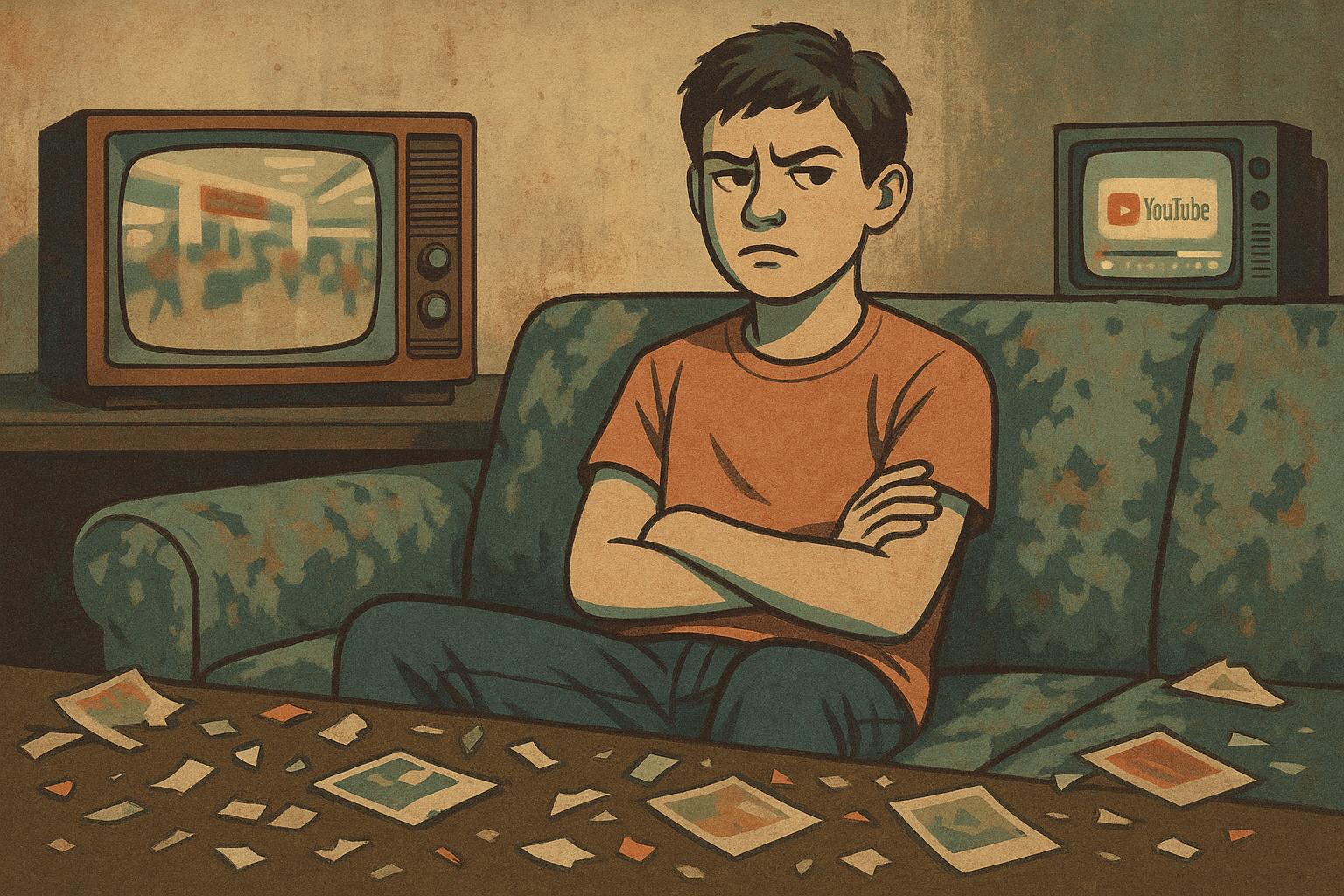
TikTok remains the platform Gen Z turns to most often for culture and entertainment, but fresh research points to a weakening bond between the generation and the app once famed for its carefree, algorithm-driven creativity.
A survey conducted by The Harris Poll finds that while 37% of Gen Z users still make TikTok their first stop for entertainment, pop culture and local discovery, large majorities now express nostalgia, wariness and declining trust.
According to The Harris Poll, 79% of Gen Z TikTok users say they long for the platform’s earlier days, when content felt less commercial and feeds contained fewer brand partnerships and advertisements. That shift toward monetised content appears to be eroding confidence: 60% of respondents reported trusting TikTok less than they used to, and 74% said they are more cautious about what they engage with on the service.
Libby Rodney, chief strategy officer at The Harris Poll, summed up the mood: “Gen Z still shows up to TikTok every day, but they’re showing up sceptical, exhausted, and nostalgic for a version of the platform that’s already gone. That’s not loyalty , that’s habit. And habits break.”
Creators are responding to these changes. The Harris Poll found that almost half of Gen Z creators have reduced posting, stopped entirely, or are migrating to other platforms, an indication that the supply of original, low-friction content that helped TikTok grow may be under strain.
Other industry and survey data underline a broader retrenchment. eMarketer highlighted concerns tied to TikTok’s change in ownership and a rise in sponsored content as factors diminishing Gen Z confidence in the app. An Adobe Express study shows younger users are also re-evaluating TikTok’s role as a search tool: in 2026 only 4% of Gen Z respondents preferred TikTok for search, down from 8% in 2024, even though many have tried it for queries.
Scepticism is not limited to entertainment or discovery. GOBankingRates’ findings, reported by Newsweek, indicate Gen Z regards TikTok as a particularly unreliable place for financial advice, with the cohort expressing greater trust in traditional financial experts than in content found on the platform.
Industry observers and creators also complain that the app is being reshaped into a commerce-first environment, a trend described in coverage that calls TikTok a “pseudo-shopping channel.” That commercial tilt, critics say, has hollowed out some of the spontaneity that made the site appealing.
Source: [Noah Wire Services](https://www.noahwire.com)
Noah Fact Check Pro
The draft above was created using the information available at the time the story first
emerged. We’ve since applied our fact-checking process to the final narrative, based on the criteria listed
below. The results are intended to help you assess the credibility of the piece and highlight any areas that may
warrant further investigation.
Freshness check
Score:
8
Notes:
The article references a recent Harris Poll survey, with findings published on March 10, 2026. ([mediapost.com](https://www.mediapost.com/publications/article/413345/gen-z-is-always-on-tiktok-but-they-dont-like-it.html?utm_source=openai)) The data appears current and relevant, with no significant discrepancies noted.
Quotes check
Score:
7
Notes:
The article includes direct quotes from Libby Rodney, chief strategy officer at The Harris Poll. ([communicateonline.me](https://communicateonline.me/news/gen-z-shows-signs-of-fatigue-with-tiktok-as-privacy-worries-grow/?utm_source=openai)) While the quotes are attributed, they cannot be independently verified through other sources, raising concerns about their authenticity.
Source reliability
Score:
6
Notes:
The primary source, The Harris Poll, is a reputable market research firm. However, the article is published on RINewsToday.com, a lesser-known platform. ([mediapost.com](https://www.mediapost.com/publications/article/413345/gen-z-is-always-on-tiktok-but-they-dont-like-it.html?utm_source=openai)) This raises questions about the independence and reliability of the reporting.
Plausibility check
Score:
7
Notes:
The claims about Gen Z’s declining trust in TikTok align with other recent reports. ([emarketer.com](https://www.emarketer.com/content/tiktok-loses-gen-z-confidence-following-ownership-change-sponsored-content-surge?utm_source=openai)) However, the lack of independent verification for some data points and quotes introduces a degree of uncertainty.
Overall assessment
Verdict (FAIL, OPEN, PASS): FAIL
Confidence (LOW, MEDIUM, HIGH): MEDIUM
Summary:
The article presents findings from a recent Harris Poll survey regarding Gen Z’s declining trust in TikTok. While the data appears current and plausible, the reliance on a single source without independent verification, and the inability to verify direct quotes, raises concerns about the article’s reliability and objectivity. ([mediapost.com](https://www.mediapost.com/publications/article/413345/gen-z-is-always-on-tiktok-but-they-dont-like-it.html?utm_source=openai))


