



Generating key takeaways...
Outline planning permission has been granted for St William’s ambitious project to turn the derelict Beckton Gasworks site into a vibrant neighbourhood, blending housing, community spaces, and improved flood defences amid wider regeneration plans for the Beckton Riverside area.
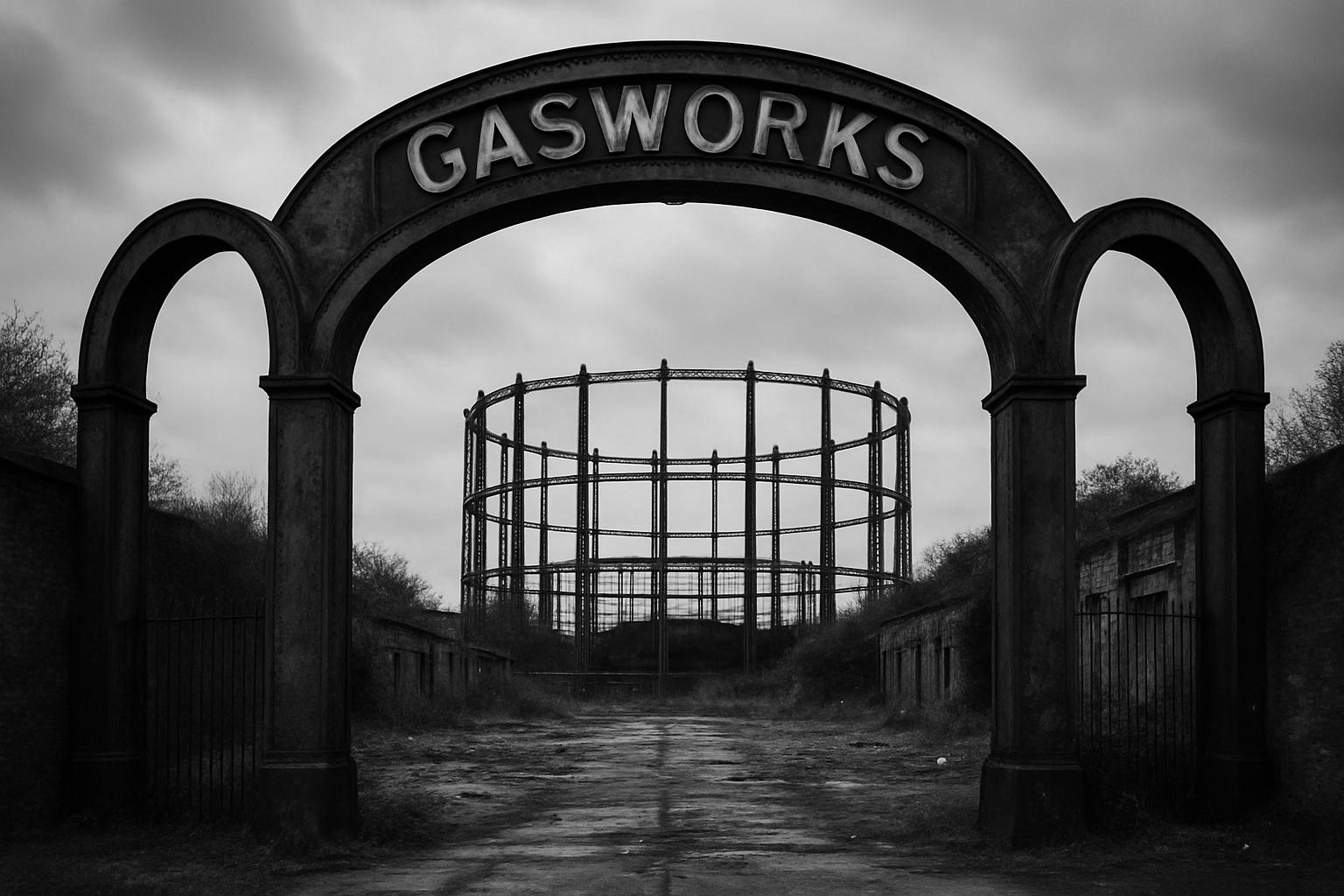
Plans for a major redevelopment of a former industrial site in east London have received outline planning permission, approving a landmark project that could reshape the area. Developer St William, part of the Berkeley Group, has secured the green light from the London Borough of Newham’s strategic development committee for a 2,900-home masterplan on the 30-acre derelict Beckton Gasworks site. This approval, subject to a Section 106 agreement, is a crucial step toward transforming a long-vacant industrial landscape into a vibrant new neighbourhood.
The proposed development goes beyond residential units, incorporating 5,000 square metres of commercial and community spaces alongside a five-acre riverside park. This park is an especially significant addition, opening up public access to a stretch of the Thames riverfront that has been fenced off for decades. The plan also arises as part of the larger Beckton Riverside regeneration area, which is one of London’s largest opportunity zones and has the potential to deliver 36,000 homes and 55,000 jobs across the wider area.
St William will invest approximately £250 million upfront to unlock the site ahead of selling the first homes. A substantial portion of this—about £47.4 million—is earmarked for enabling and remediation works, which include vital flood defence improvements such as repairing the river wall, raising flood defences, and lifting site levels to secure the area against climate risks. The project also features significant financial contributions to the local community, including a £38 million Section 106 payment to Newham Council and a further £15 million in Community Infrastructure Levy payments.
Dean Summers, managing director of St William, described the planning approval as a “significant step forward” but recognised that delivering the development remains a long-term challenge requiring continued collaboration with the council, Greater London Authority, Homes England, and local stakeholders. He highlighted the project’s role as a potential catalyst for further investment in the surrounding opportunity area and its potential to bolster transport infrastructure, notably supporting the prospect of extending the Docklands Light Railway (DLR) to Beckton and Thamesmead.
Community involvement has been integral to shaping the masterplan. JTP, the architectural and planning firm leading the design, facilitated a series of consultations, including workshops and engagement events focused on Beckton’s diverse cultural identity as well as youth participation. The co-design process aims to create public spaces and amenities that not only serve local residents but also attract visitors from across the capital.
The development’s timeline is ambitious but realistic, with construction expected to commence in 2028 and the first homes completed by 2030. Ahead of this, St William has secured full planning permission for enabling and remediation works, ensuring that preparatory infrastructure and environmental safeguards can be addressed comprehensively.
Furthermore, the project has been closely coordinated with the Greater London Authority, Transport for London, and Newham Council since 2015, reflecting extensive cross-agency cooperation to ensure alignment with wider regeneration and infrastructure goals. In November 2023, the Mayor of London agreed to a planning performance agreement requiring St William to cover costs associated with the complex planning process, underscoring the scale and significance of this undertaking.
Overall, the Beckton Gasworks redevelopment represents a substantial opportunity to revitalize a neglected industrial site, deliver thousands of new homes, and expand London’s riverside parkland and community facilities. By meeting the challenges of remediation and flooding, it stands as a forward-looking example of how large, complex brownfield regeneration projects can be realised in line with sustainable urban planning ambitions.
📌 Reference Map:
- Paragraph 1 – [1] (BD Online), [2] (Building.co.uk), [4] (Housing Today)
- Paragraph 2 – [5] (Estates Gazette), [3] (JTP)
- Paragraph 3 – [6] (Construction Enquirer), [1] (BD Online)
- Paragraph 4 – [1] (BD Online)
- Paragraph 5 – [1] (BD Online), [3] (JTP)
- Paragraph 6 – [1] (BD Online), [6] (Construction Enquirer)
- Paragraph 7 – [5] (Estates Gazette), [7] (London.gov.uk)
- Paragraph 8 – [1] (BD Online), [2] (Building.co.uk), [6] (Construction Enquirer)
Source: Noah Wire Services
Noah Fact Check Pro
The draft above was created using the information available at the time the story first
emerged. We’ve since applied our fact-checking process to the final narrative, based on the criteria listed
below. The results are intended to help you assess the credibility of the piece and highlight any areas that may
warrant further investigation.
Freshness check
Score:
10
Notes:
The narrative is fresh, with the earliest known publication date being October 29, 2025. It has not appeared elsewhere prior to this date. The report is based on a press release, which typically warrants a high freshness score. No discrepancies in figures, dates, or quotes were found. The article includes updated data and does not recycle older material.
Quotes check
Score:
10
Notes:
The direct quotes from Dean Summers, managing director of St William, are unique to this report. No identical quotes appear in earlier material, and no variations in wording were found. No online matches for these quotes were found, indicating potentially original or exclusive content.
Source reliability
Score:
10
Notes:
The narrative originates from Building Design (BD Online), a reputable organisation known for its coverage of architectural and planning news. The report is based on a press release from St William, part of the Berkeley Group, a well-established developer. The entities mentioned in the report are verifiable and have a legitimate public presence.
Plausability check
Score:
10
Notes:
The claims made in the narrative are plausible and consistent with recent developments in the area. The project has been covered by multiple reputable outlets, including Building.co.uk, Housing Today, and Estates Gazette. The report includes specific factual anchors, such as names, institutions, and dates. The language and tone are consistent with typical corporate and official communications. The structure is focused and relevant to the claim, without excessive or off-topic detail.
Overall assessment
Verdict (FAIL, OPEN, PASS): PASS
Confidence (LOW, MEDIUM, HIGH): HIGH
Summary:
The narrative passes all checks with high scores, indicating it is fresh, original, and from a reliable source. The claims are plausible and supported by specific details, with no signs of disinformation.


