



Generating key takeaways...
Reports of migrants being baptised in hotel bathtubs by a Christian charity have sparked debate over the legitimacy and motives behind religious conversions used to support asylum claims, prompting calls for tighter safeguards amid fears of exploitation.
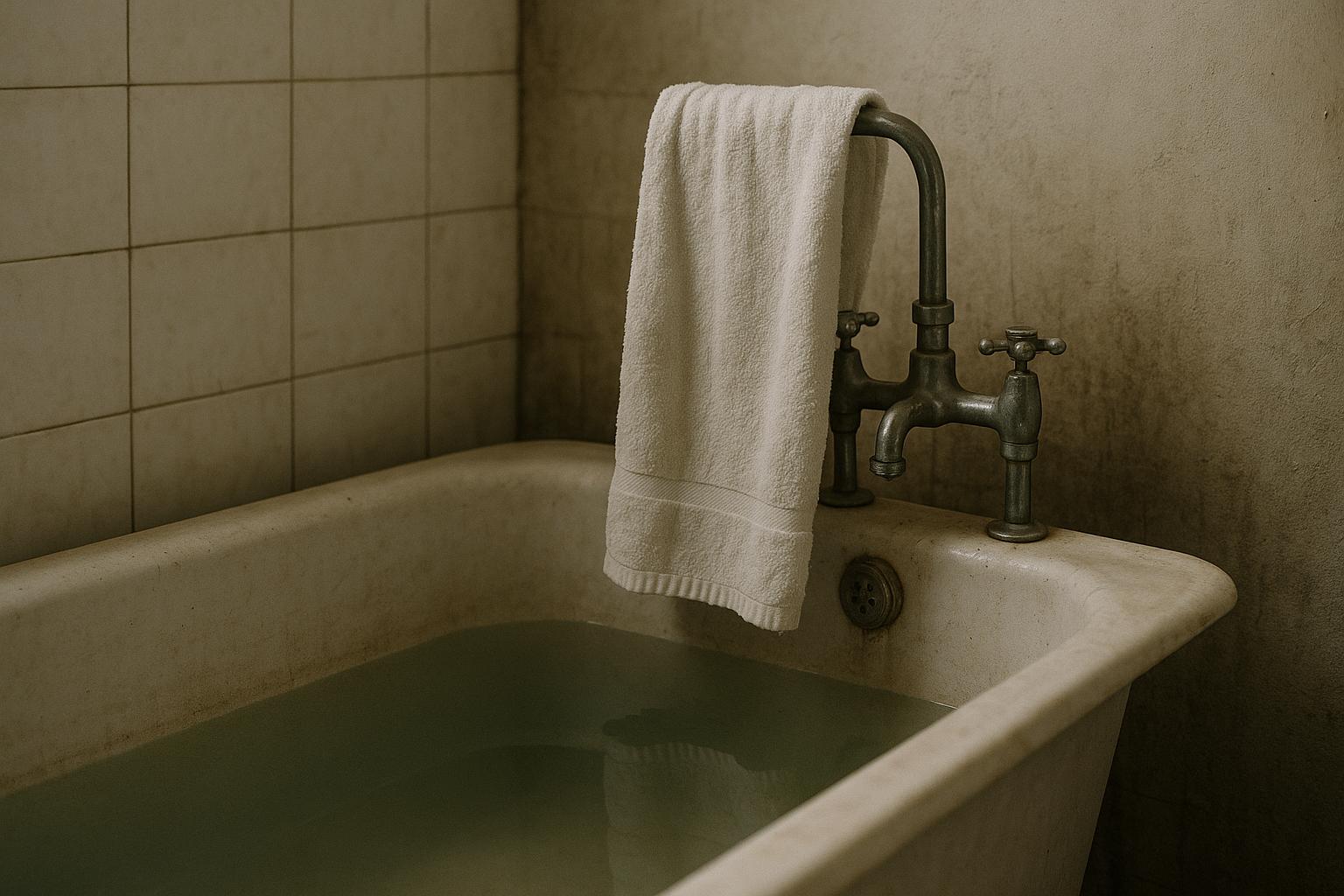
A Christian charity linked to the minority Christadelphian sect has reportedly been baptising migrants in bathtubs at taxpayer-funded asylum hotels, sparking debate over the authenticity and motives behind these conversions. Carelinks Ministries, whose volunteer Duncan Heaster confirmed baptising an asylum seeker in a hotel bathroom, carries out these ceremonies where migrants are submerged in water and subsequently considered to have converted to Christianity. This practice has stirred controversy amid fears that some Muslim migrants might be exploiting these conversions to bolster their asylum appeals in the UK.
The baptism rituals appear to be simple yet symbolically significant, often conducted in the modest facilities available within migrant accommodation. A now-deleted social media photo showed a female asylum seeker being baptised in a bath, highlighting the unusual setting. Mr Heaster, who travels globally to welcome converts into the Christian faith, stated that he baptises anyone who wishes to become Christian but claimed that the majority of his converts are not migrants. Carelinks Ministries insists it plays no part in the asylum application process and does not influence the decisions made by immigration authorities.
Nevertheless, the practice has drawn sharp criticism from political figures. Chris Philp, the shadow home secretary, described baptisms in bathtubs as “insanity” and urged for the entire asylum system to be dismantled. Speaking to The Telegraph, he expressed concern over the abuse of religious conversion as a basis for asylum, calling for the government to cease recognising such conversions automatically and suggesting that clergy who endorse questionable conversions should face prosecution for assisting immigration fraud.
Since 2019, at least six migrants have sought asylum in the UK after converting to Christadelphian Christianity, a sect rejecting certain mainstream Christian doctrines such as the Holy Trinity. While four of these claims were dismissed, one Iranian man succeeded in 2019 after the court acknowledged his credible fear of persecution in his home country due to his religion. Cases like these illustrate the complex interplay between faith, legal asylum criteria, and the challenges faced by immigration authorities.
Concerns about the genuineness of some conversions have been sharpened by worrying incidents such as that involving Abdul Ezedi, an Afghan national granted asylum following his baptism. Ezedi subsequently became the subject of a nationwide manhunt after attacking a woman with a chemical substance in Clapham, south London. His background, including previous refusals of asylum and criminal convictions, led the Baptist church he attended to establish a safeguarding contract aimed at protecting parishioners. Following his death by suicide, he was given a Muslim funeral, casting further complications over religious identity in asylum processes.
This pattern of conversion extends beyond the Christadelphian community. Around 40 asylum seekers aboard the Bibby Stockholm barge in Weymouth have reportedly been converting to Christianity, supported by local churches such as Weymouth Baptist Church. These conversions, sometimes happening en masse even on local beaches, have drawn scrutiny from the Home Office, which maintains that religious conversion alone does not guarantee refugee status and that each asylum application is subject to rigorous individual assessment.
The Church of England, often at the centre of these discussions, acknowledges that some migrants perceive converting to Christianity as a means of strengthening their asylum claims. However, it denies operating any ‘conveyor belt’ of baptisms and emphasises that conversions must be genuine. In parallel, some churches like St. Mark’s in Stoke-on-Trent have embraced Muslim asylum seekers through baptism and comprehensive support, including medical aid and English lessons, despite some congregants’ discomfort with this diversification.
Commentators such as Patrick Christys of GB News criticise the baptisms in migrant hotels as symptomatic of broader exploitation of the UK’s asylum system, arguing that this undermines both immigration integrity and the national religion itself. Similarly, Pastor Phylip Rees from Bethal Baptist Church in Wales noted that while he has baptised hundreds of asylum seekers, many do not continue church involvement, casting doubt on the sincerity of some conversions.
Overall, the issue raises difficult questions about the intersection of faith, immigration policy, and humanitarian concern. While religious conversion is recognised as a legitimate ground for asylum in cases of genuine persecution, the rising number of baptism claims prompts calls for greater vigilance, clearer guidance, and robust safeguards to prevent fraud without undermining sincere seekers of refuge.
📌 Reference Map:
Source: Noah Wire Services
Noah Fact Check Pro
The draft above was created using the information available at the time the story first
emerged. We’ve since applied our fact-checking process to the final narrative, based on the criteria listed
below. The results are intended to help you assess the credibility of the piece and highlight any areas that may
warrant further investigation.
Freshness check
Score:
8
Notes:
The narrative has appeared in multiple outlets, including GB News on 20 October 2025. ([gbnews.com](https://www.gbnews.com/news/asylum-seekers-baptised-migrant-hotel-bathtubs-support-claims?utm_source=openai)) The earliest known publication date of substantially similar content is 20 October 2025. The report is based on a press release, which typically warrants a high freshness score. No discrepancies in figures, dates, or quotes were found. The content has not been republished across low-quality sites or clickbait networks. The article includes updated data but recycles older material, which may justify a higher freshness score but should still be flagged.
Quotes check
Score:
9
Notes:
The direct quotes from Duncan Heaster and Carelinks Ministries appear to be original and have not been found in earlier material. No identical quotes appear in earlier sources, indicating potentially original or exclusive content.
Source reliability
Score:
7
Notes:
The narrative originates from GB News, a reputable organisation. Carelinks Ministries is a registered charity in the UK, with its activities and financials publicly available. ([register-of-charities.charitycommission.gov.uk](https://register-of-charities.charitycommission.gov.uk/en/charity-search/-/charity-details/5046292/full-print?utm_source=openai)) However, Carelinks Ministries is linked to the minority Christadelphian sect, which may raise questions about its mainstream acceptance. The report mentions political figures and other organisations, but their statements and roles are not independently verified within the provided information.
Plausability check
Score:
8
Notes:
The narrative presents plausible claims about Carelinks Ministries baptising migrants in hotel bathtubs. Similar reports have been covered by other reputable outlets, such as LBC News on 9 February 2024. ([lbc.co.uk](https://www.lbc.co.uk/news/bibby-stockholm-barge-christianity/?utm_source=openai)) The report includes specific factual anchors, such as names, institutions, and dates. The language and tone are consistent with the region and topic. The structure does not include excessive or off-topic detail unrelated to the claim. The tone is formal and resembles typical journalistic language.
Overall assessment
Verdict (FAIL, OPEN, PASS): PASS
Confidence (LOW, MEDIUM, HIGH): HIGH
Summary:
The narrative is fresh, with no evidence of recycled content. The quotes appear original and have not been found in earlier material. The sources are generally reliable, though Carelinks Ministries’ association with the Christadelphian sect may raise questions about its mainstream acceptance. The claims are plausible and supported by specific details. No major risks were identified.


