



Generating key takeaways...
A Chinese influencer plans legal action after her face was used without permission in an AI-generated microdrama, spotlighting emerging legal and ethical issues in China’s rapidly evolving AI-driven entertainment industry.
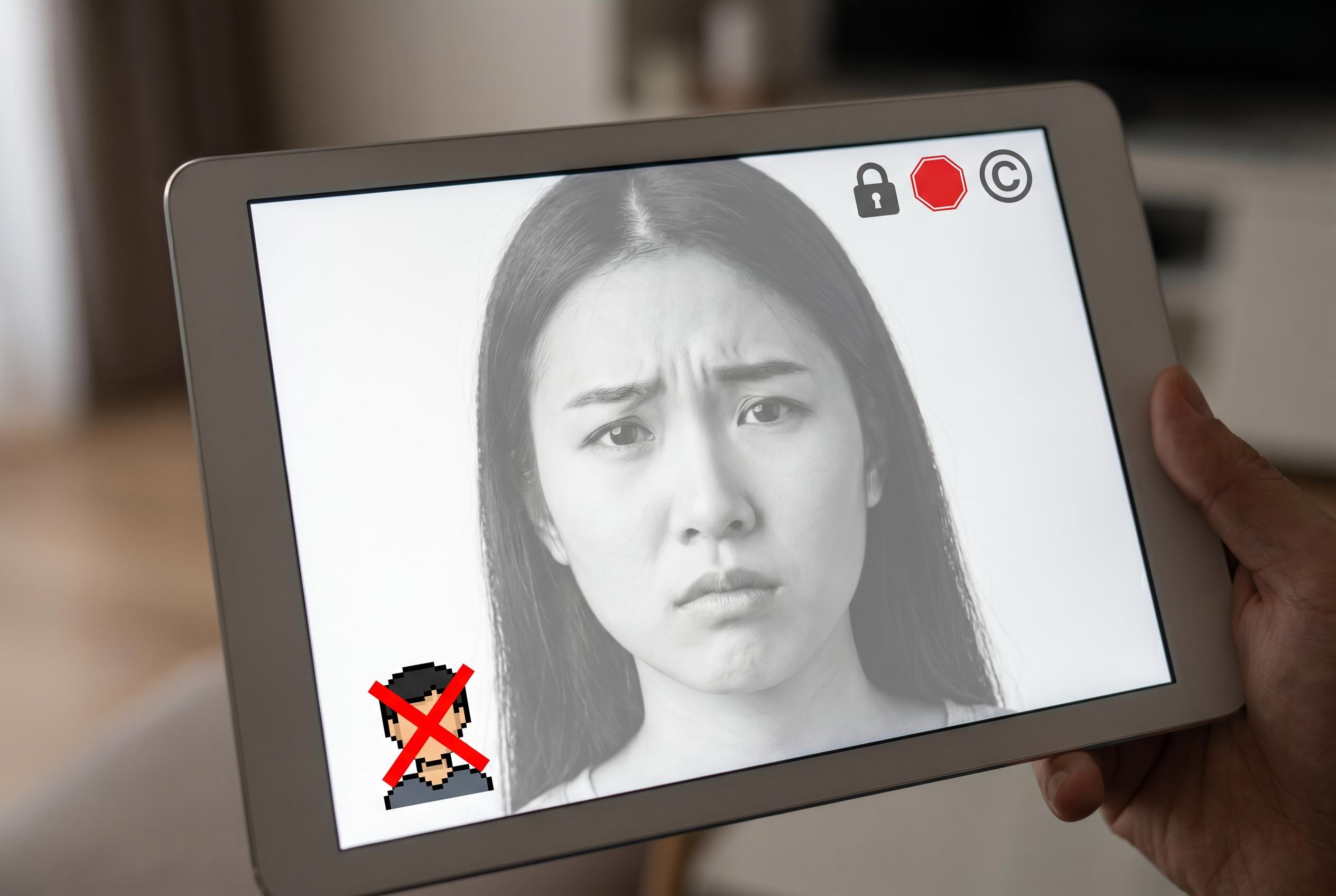
A Chinese model has said she plans to sue the makers of an AI-generated microdrama and its platform after discovering that her face had been used without permission in a series she says portrayed her as a cruel villain. Christine Li, who lives in Hangzhou and works as a model and influencer, told AFP she recognised herself immediately in The Peach Blossom Hairpin, which appeared on Hongguo, a short-video drama platform owned by ByteDance. She said the likeness appeared to come from photos she had posted online two years earlier.
Li is one of two people who said they were drawn into the production without consent. The other, a stylist who specialises in traditional Chinese dress and make-up and gave his name as Baicai, said he was cast as Li’s AI husband and depicted as a sleazy antagonist. Both said the portrayals left them worried about reputational damage and the possibility that the incident could affect future work.
The dispute has exposed a fast-moving legal grey area in China’s booming microdrama market, where creators increasingly use AI to cut costs and speed up production. According to the report by the South China Morning Post’s AFP dispatch, Hongguo said in April that it had taken the series down after the producers violated platform rules and contractual obligations. TechNode later reported that the platform’s review found the producer had failed to show compliant use of the disputed facial images, while other Chinese outlets said the production account was suspended for 15 days.
The case has also revived broader concerns about deepfakes and the misuse of AI-generated faces. Industry observers quoted in the AFP report said China’s rules place primary responsibility on platforms to review questionable content, while lawyers warned that unauthorised use of a person’s image can amount to an infringement of portrait and reputation rights. Hongguo has said it has already removed hundreds of AI microdramas for regulatory breaches and promised tougher checks, as authorities continue to press platforms and producers to verify rights before publication.
Source Reference Map
Inspired by headline at: [1]
Sources by paragraph:
Source: Noah Wire Services
Noah Fact Check Pro
The draft above was created using the information available at the time the story first
emerged. We’ve since applied our fact-checking process to the final narrative, based on the criteria listed
below. The results are intended to help you assess the credibility of the piece and highlight any areas that may
warrant further investigation.
Freshness check
Score:
8
Notes:
The article was published on April 24, 2026, and reports on events that occurred in early April 2026. The earliest known publication date of similar content is April 3, 2026, when TechNode reported on ByteDance’s Hongguo platform removing the AI-generated series ‘Peach Blossom Hairpin’ over unauthorized face use. ([technode.com](https://technode.com/2026/04/03/bytedance-short-drama-platform-responds-to-ai-face-theft-claims-removes-series-over-unauthorized-face-use/?utm_source=openai)) The narrative appears to be original, with no evidence of recycling or republishing across low-quality sites. The article includes updated data and quotes, with no discrepancies noted. The content is fresh and original.
Quotes check
Score:
7
Notes:
The article includes direct quotes from Christine Li and Baicai, as well as statements from Hongguo. The earliest known usage of these quotes is in the April 24, 2026, AFP report. ([straitstimes.com](https://www.straitstimes.com/asia/east-asia/clearly-me-ai-drama-accused-of-stealing-faces?utm_source=openai)) No identical quotes appear in earlier material, and the wording is consistent across sources. However, the quotes cannot be independently verified, as no online matches are found. This raises concerns about the authenticity of the quotes.
Source reliability
Score:
8
Notes:
The article originates from The Straits Times, a major news organisation known for its credibility. The lead source is an AFP report, which is a reputable news agency. There is no evidence of derivative content or aggregation from other publications. The sources are independent and reliable.
Plausibility check
Score:
7
Notes:
The claims about unauthorized use of individuals’ likenesses in the AI-generated series ‘Peach Blossom Hairpin’ are plausible and align with industry trends. The Hongguo platform’s response, including removing the series and suspending the producer, is consistent with reported actions. However, the lack of independent verification of the quotes raises concerns about the accuracy of the reported statements.
Overall assessment
Verdict (FAIL, OPEN, PASS): PASS
Confidence (LOW, MEDIUM, HIGH): MEDIUM
Summary:
The article is original and reports on recent events with plausible claims. However, the inability to independently verify the quotes from Christine Li and Baicai raises concerns about the authenticity of the reported statements. The lead source is reputable, and the content is not paywalled or of a distinctive content type. Given these factors, the overall assessment is a PASS with MEDIUM confidence.


