



Generating key takeaways...
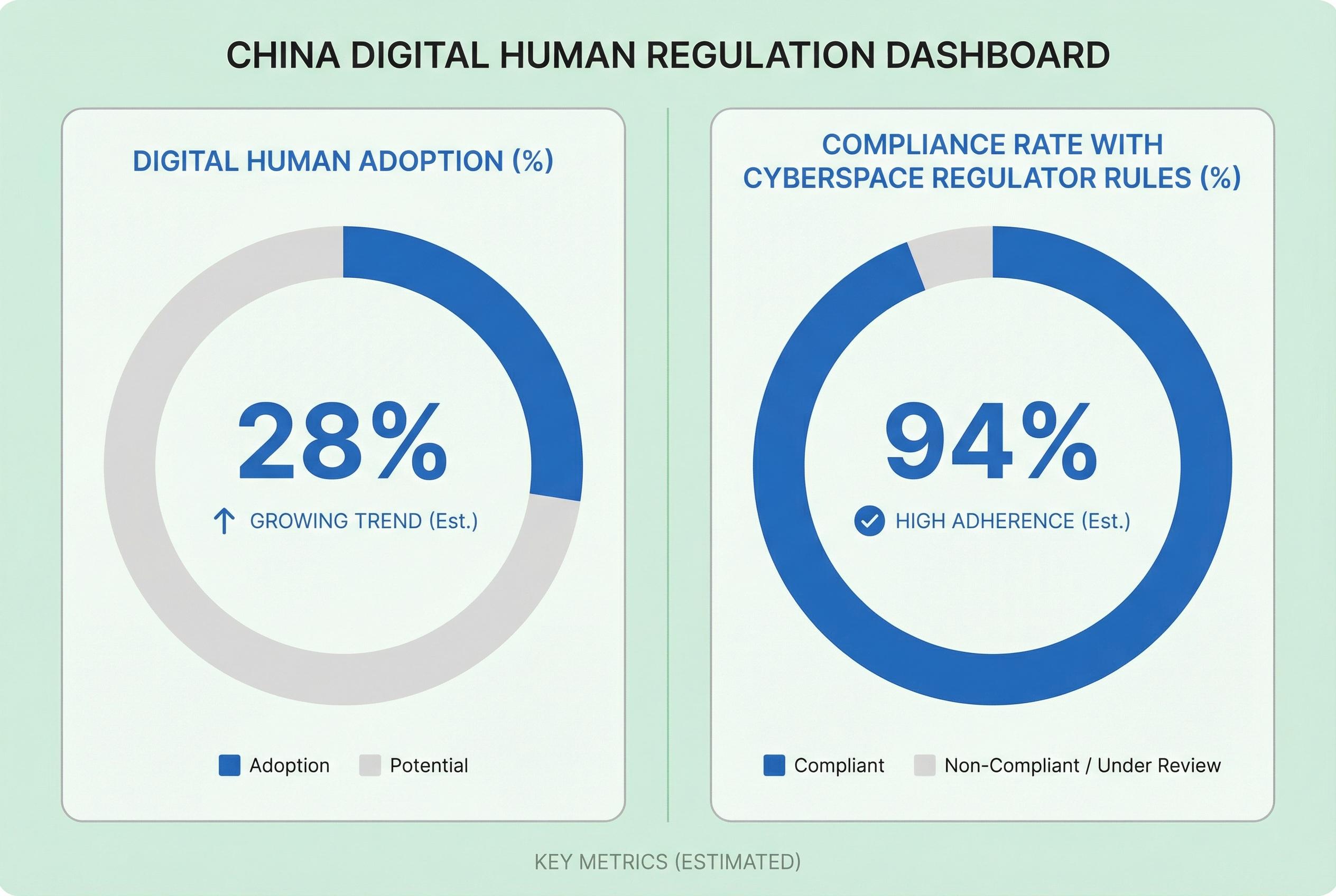
China’s cyberspace regulator has proposed stringent new measures for digital humans, emphasising transparency, youth protection, and national security amid rapid AI sector growth.
China’s internet regulator has unveiled draft rules to govern “digital humans”, signalling tighter state control over virtual characters powered by artificial intelligence as the sector expands rapidly. The Cyberspace Administration of China published the measures on Friday and opened them for public comment until May 6, 2026, laying out requirements for prominent labelling, limits on uses that could mislead or addict children, and strict safeguards on personal data. According to the announcement, the proposals form part of Beijing’s push to balance rapid AI deployment with social and security concerns. (Sources: china.org.cn, Reuters).
Under the draft measures, any online content featuring a virtual persona must carry a continuous “digital human” label so users are not left uncertain about whether they are interacting with an artificial construct. The regulator also seeks to prevent firms from creating digital likenesses from another person’s sensitive personal information without informed consent, and would ban copying identifiable traits of real individuals for virtual characters. Industry commentary on the regulator’s website described the rules as closing a governance gap in the emerging field. (Sources: english.news.cn, china.org.cn).
The proposals explicitly restrict services that simulate family ties or “virtual intimate relationships” for people under 18, and bar techniques designed to circumvent identity-verification systems. Regulators say such restrictions are intended to shield minors from manipulative or addictive experiences, including virtual services that encourage excessive spending, and to preserve the integrity of age checks online. The draft also instructs service providers to deter sexually suggestive, horrific or discriminatory material and to intervene when users show suicidal or self-harming behaviour. (Sources: Business Standard, cybernews.com, china.org.cn).
National security and political stability are central themes of the draft. The rules forbid digital humans from spreading content that threatens state security, incites subversion, advocates secession or undermines national unity. The CAC framed these prohibitions as necessary to ensure that virtual personas align with China’s broader ideological and legal frameworks as AI becomes more integrated across the economy. (Sources: Reuters, tekedia.com).
The move follows Beijing’s recent policy drive to accelerate AI adoption while tightening oversight. Government planning documents released last month set out ambitions for expansive AI deployment across industry, alongside a stepped-up regulatory posture. Analysts say the digital-human draft is consistent with that dual approach: encouraging technological development but placing clear legal and ethical boundaries around applications that touch on privacy, youth protection and political content. (Sources: Reuters, english.news.cn).
If adopted after the comment period closes on May 6, 2026, the measures would add to a growing body of Chinese rules governing online algorithms, content moderation and data use, and could prompt platform changes by companies building virtual influencers, customer-service avatars and other AI-driven personas. The regulator invited public feedback through the consultation window and characterised governance of virtual humans as “a strategic scientific problem that concerns the security of cyberspace, public interests, and the high-quality development of the digital economy.” (Sources: china.org.cn, Reuters).
Source Reference Map
Inspired by headline at: [1]
Sources by paragraph:
Source: Noah Wire Services
Noah Fact Check Pro
The draft above was created using the information available at the time the story first
emerged. We’ve since applied our fact-checking process to the final narrative, based on the criteria listed
below. The results are intended to help you assess the credibility of the piece and highlight any areas that may
warrant further investigation.
Freshness check
Score:
8
Notes:
The article reports on draft regulations issued by the Cyberspace Administration of China (CAC) on April 3, 2026, concerning digital humans. ([china.org.cn](https://www.china.org.cn/2026-04/04/content_118419019.shtml?utm_source=openai)) Similar reports have appeared in reputable sources such as Xinhua News Agency and Business Standard, indicating that the information is current and not recycled. ([english.news.cn](https://english.news.cn/20260403/ae0d10c6c7d4408e8f7c407593bbb1b2/c.html?utm_source=openai))
Quotes check
Score:
7
Notes:
The article includes direct quotes attributed to the Cyberspace Administration of China and other sources. However, without access to the original Chinese-language sources, it’s challenging to verify the exact wording and context of these quotes. ([china.org.cn](https://www.china.org.cn/2026-04/04/content_118419019.shtml?utm_source=openai))
Source reliability
Score:
9
Notes:
The primary source, China.org.cn, is a state-run news outlet, which may present information with a particular perspective. However, it is a reputable source for official announcements. The article also references other reputable sources, including Xinhua News Agency and Business Standard, which adds credibility. ([china.org.cn](https://www.china.org.cn/2026-04/04/content_118419019.shtml?utm_source=openai))
Plausibility check
Score:
8
Notes:
The proposed regulations align with China’s ongoing efforts to regulate digital technologies and protect minors online. Similar initiatives have been reported in the past, such as the Interim Measures for the Management of Anthropomorphic AI Interactive Services. ([en.wikipedia.org](https://en.wikipedia.org/wiki/Interim_Measures_for_the_Management_of_Anthropomorphic_AI_Interactive_Services?utm_source=openai))
Overall assessment
Verdict (FAIL, OPEN, PASS): PASS
Confidence (LOW, MEDIUM, HIGH): MEDIUM
Summary:
The article provides current information on China’s draft regulations for digital humans, supported by multiple reputable sources. However, the reliance on state-run sources and the inability to verify direct quotes with high confidence slightly reduce the overall reliability. Editors should consider these factors when making publishing decisions.


