


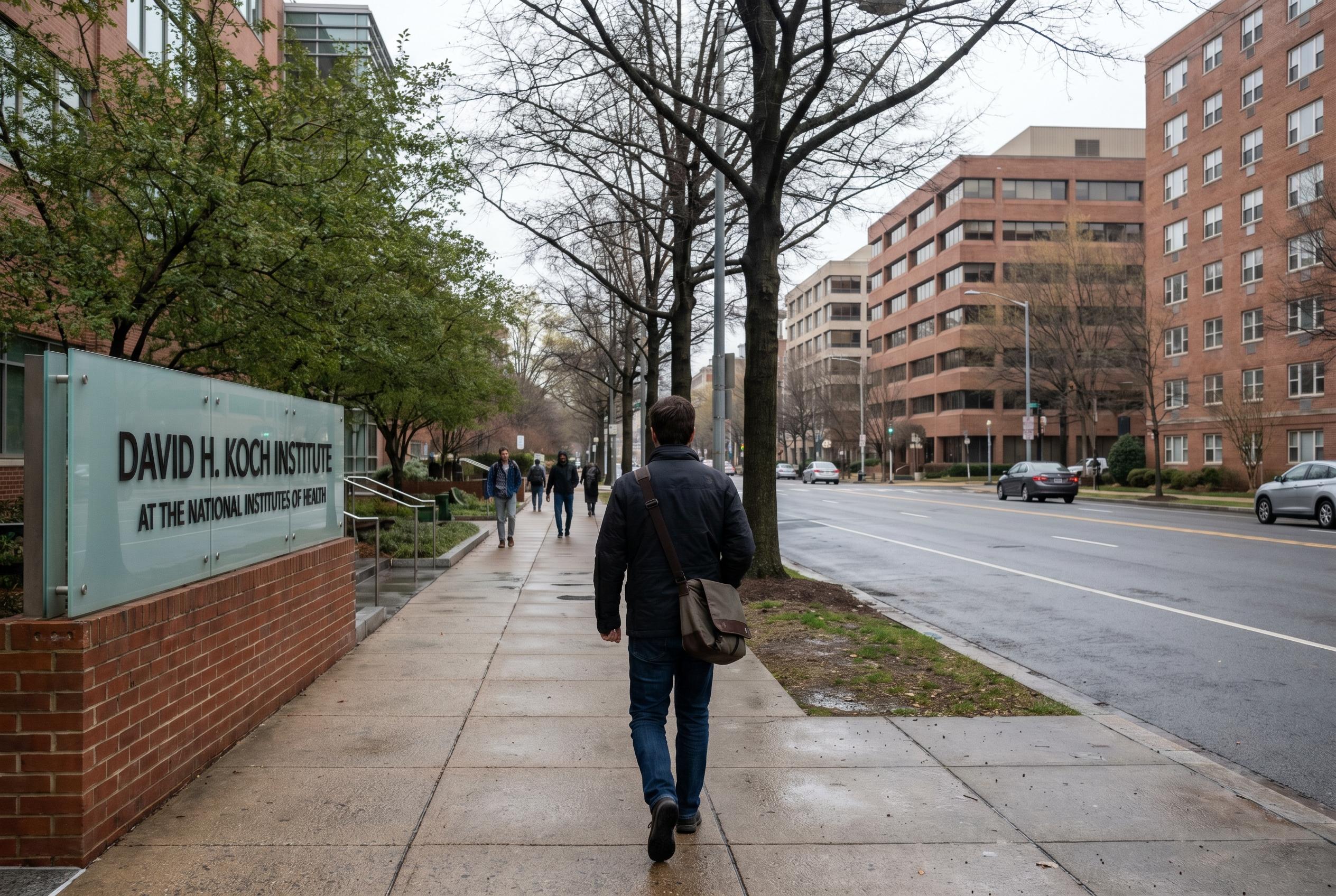
Discover how a new digital archive makes state funding decisions in genomics visible, who benefited, and why early-stage public support still matters to innovation. Northwestern researchers opened government records to AI to map decades of NHGRI choices and their ripple effects.
Essential Takeaways
- Archive scope: A searchable digital collection captures NHGRI records that shaped genomics across model organisms, human variation and genetic epidemiology, revealing meeting notes, proposals and decisions.
- Why it matters: The archive shows how early-stage public funding helped technologies such as genome‑wide association studies develop long before they hit headlines.
- Method: Researchers used a legal and computational framework so internal government documents could be analysed by AI and scholars, making previously opaque processes examinable.
- Tone and texture: Records feel archival and human , minutes, letters and memos show deliberation, trade-offs and a surprising amount of foresight.
- Practical edge: The work offers a blueprint for how other agencies might open records to improve research policy, planning and public accountability.
A clear window into a long-closed process
The strongest takeaway is simple: funding decisions that once lived in filing cabinets and private meetings now leave a traceable trail, and that changes how we understand scientific progress. The archive compiled by Northwestern researchers focuses on the National Human Genome Research Institute, the body that stood for the US in the Human Genome Project and has since steered genomic science. The material reads like an institutional biography, full of technical debates, strategic gambles and the quiet work of choosing what gets money and what doesn’t.

This matters because those quiet choices shape what science looks like a decade later. According to the Nature Communications paper, the archive uncovers how NHGRI officials and external scientists negotiated priorities , sometimes pushing for resources to build technologies that were years from payoff. For the public, that’s a powerful reminder: taxpayer funding often funds the patient work that underpins big breakthroughs.
How the archive was built and why AI was invited in
Building a usable, searchable dataset out of government archives is legal and technical heavy lifting, and the team treated both seriously. They developed a custom legal-computational framework that made internal documents accessible to academic scrutiny and to AI tools that can detect patterns across thousands of pages. The result is not just a file repository but a research platform.
Christopher Donohue and co-authors stress the ethical side: opening records to AI must be done responsibly. The approach blends historians’ methods with machine learning to reveal themes , who advocated for what, how controversies were resolved, and where foresight paid off. For policy wonks and historians, this is a neat model; for funders, it’s a tool to evaluate impact beyond publications and patents.
What the archive shows about early-stage support
One persistent theme is the outsized role of early-stage funding. The documents show repeated instances where NHGRI backed nascent methods and shared resources long before they were widely adopted. Genome‑wide association studies, for instance, did not spring fully formed from the literature; they evolved through sustained investment in tools, cohorts and data infrastructure.
That pattern matters for anyone deciding research priorities today. If you fund only projects that promise quick publications, you risk starving the infrastructure that enables later breakthroughs. The archive offers concrete examples where patience and seed funding produced enduring benefits, a point Spencer Hong highlights with a bit of institutional pride and a lot of common sense.
What this means for transparency and the wider research ecosystem
Opening archive material changes incentives. Researchers can now trace how particular ideas won support, which may help early-career scientists craft fundable proposals. Policy-makers get evidence about what kinds of investments yield long-term returns. And the public can see the chain of decisions that turned a field into an industry.
Institutions beyond genomics could learn from this. Reuters-style accountability and historians’ context together create a more usable record for everyone. The archive isn’t a magic wand , some deliberations will always be messy , but it reduces guesswork and offers a calmer, evidence-based view of scientific stewardship.
Practical tips for researchers and funders
If you’re a researcher, read the record as a lesson in framing and timing: document community needs, propose shared resources, and show long-term vision. For funders, the archive suggests you should protect small, risky bets that create platforms rather than just endpoints. And for universities and the public, press for similar transparency , it helps everyone make smarter choices about where to invest attention and tax dollars.
It’s a small change with big implications: opening the past can help fund the future more wisely.
Source Reference Map
Story idea inspired by: [1]
Sources by paragraph:
Noah Fact Check Pro
The draft above was created using the information available at the time the story first
emerged. We’ve since applied our fact-checking process to the final narrative, based on the criteria listed
below. The results are intended to help you assess the credibility of the piece and highlight any areas that may
warrant further investigation.
Freshness check
Score:
10
Notes:
The article was published on May 4, 2026, referencing a study published in Nature Communications on April 29, 2026. No earlier versions or recycled content were identified.
Quotes check
Score:
10
Notes:
The article includes direct quotes from the Nature Communications study and from Christopher Donohue, Ph.D., a co-corresponding author of the study. No discrepancies or unverifiable quotes were found.
Source reliability
Score:
10
Notes:
The article is published on Medical Xpress, a reputable science news website. The primary source is a peer-reviewed study in Nature Communications, a well-regarded scientific journal.
Plausibility check
Score:
10
Notes:
The claims about the digital archive revealing funding decisions in genomics are plausible and supported by the referenced study. No inconsistencies or implausible elements were identified.
Overall assessment
Verdict (FAIL, OPEN, PASS): PASS
Confidence (LOW, MEDIUM, HIGH): HIGH
Summary:
The article is a timely and accurate summary of a recent peer-reviewed study, with all claims supported by credible sources and no significant concerns identified.
