



Generating key takeaways...
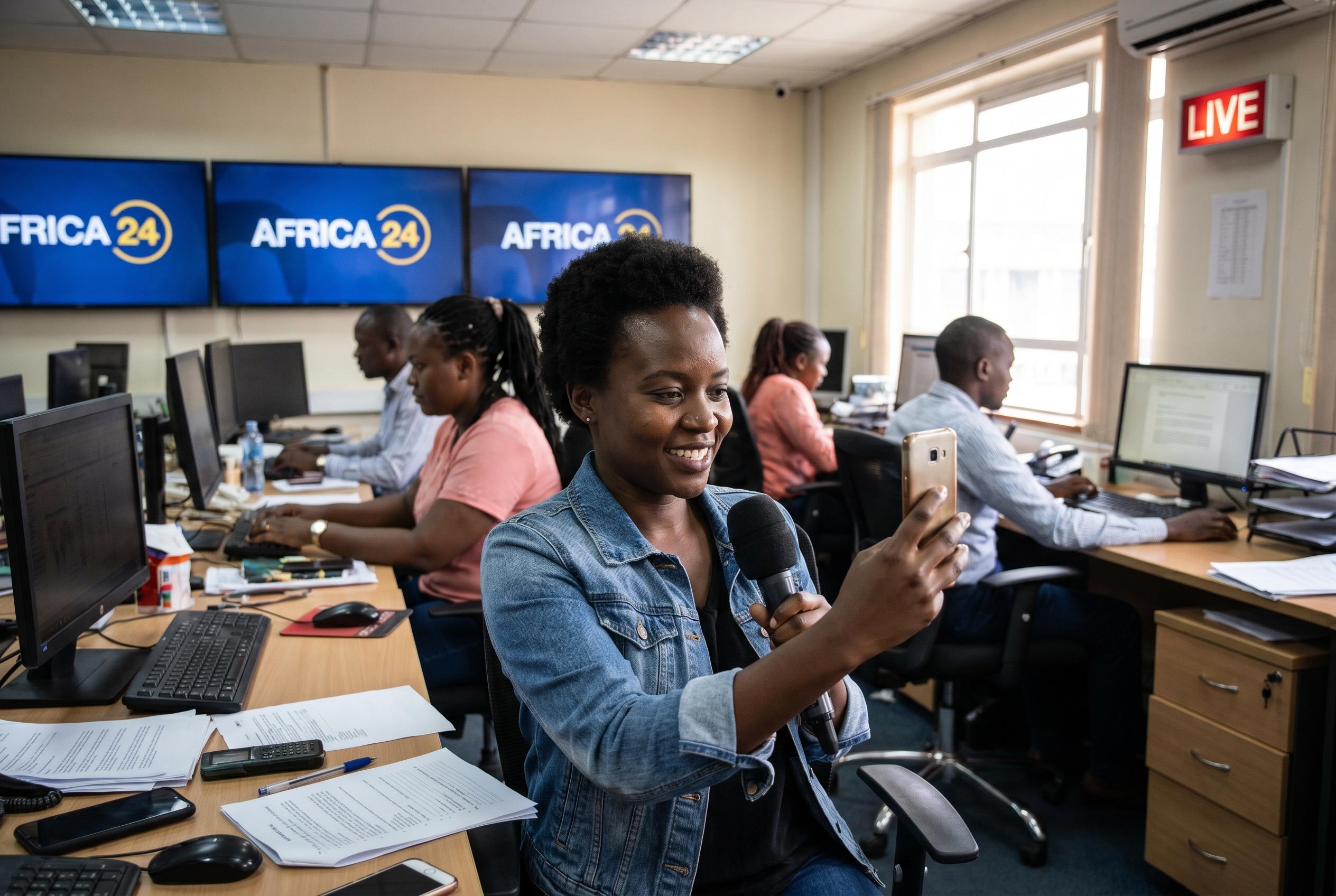
Applications are open for the AI in the Newsroom Fellowship 2026, a six-month programme empowering African journalists to develop AI-driven tools that enhance editorial workflows, transparency, and public interest reporting.
Africa Uncensored and DW Akademie have opened applications for the AI in the Newsroom Fellowship 2026, a six-month programme aimed at helping journalists turn artificial intelligence from a buzzword into practical newsroom tools. The initiative is intended for media professionals who want to build solutions that improve editorial workflows, reporting efficiency and day-to-day production rather than simply experiment with generic AI prompts.
The fellowship will run from June to December 2026 and is being described by the organisers as a hands-on technical lab for journalists, editors and news content creators. According to the calls published by Africa Uncensored and partner outlets, selected fellows will be expected to identify a concrete newsroom problem, design an AI-powered prototype and work towards a deployable product that can be used in a real editorial setting.
Participants are set to receive technical training in AI tools for data journalism, AI literacy and responsible use, alongside guidance on AI-assisted editorial workflows. The programme also promises project mentorship, access to a collaborative network of media professionals and a dedicated sandbox of tools for testing and refining solutions. Organisers say they are particularly interested in projects that emphasise transparency, financial accountability and public interest journalism.
Applicants must be journalists, editors, news content creators or other media professionals with a clear use case for AI in their work. They are also required to submit a letter of commitment from their newsroom, or, in the case of freelancers, a personal commitment letter tied to the proposed project. The application deadline is 30 April 2026, with the organisers asking candidates to apply through the official form rather than by email.
Source Reference Map
Inspired by headline at: [1]
Sources by paragraph:
Source: Noah Wire Services
Noah Fact Check Pro
The draft above was created using the information available at the time the story first
emerged. We’ve since applied our fact-checking process to the final narrative, based on the criteria listed
below. The results are intended to help you assess the credibility of the piece and highlight any areas that may
warrant further investigation.
Freshness check
Score:
7
Notes:
The article was published on April 25, 2026, and references a program with an application deadline of April 30, 2026. This tight timeframe suggests the content is current. However, similar announcements were made earlier in April 2026, indicating that the information may have been republished or aggregated from other sources. For instance, a call for mentors and trainers was published on April 17, 2026. ([africauncensored.online](https://africauncensored.online/call-for-mentors-trainers-ai-in-the-newsroom-fellowship-2026/?utm_source=openai)) This raises concerns about the originality and freshness of the content. Additionally, the article includes a source reference map, which may indicate reliance on other publications. Without direct access to the original press release or official announcement, it’s challenging to confirm the originality of the content. Therefore, the freshness score is reduced to 7 due to potential republishing and reliance on other sources.
Quotes check
Score:
5
Notes:
The article does not include any direct quotes. While this avoids potential issues with quote verification, the absence of direct quotes makes it difficult to assess the accuracy and originality of the information presented. The reliance on aggregated content from other sources further complicates the verification process. Therefore, the quotes score is 5, reflecting the challenges in verifying the content’s originality and accuracy.
Source reliability
Score:
6
Notes:
The article originates from Opportunities for Youth, a platform that aggregates and republishes content from various sources. This raises concerns about the independence and reliability of the information, as the platform may not conduct original reporting or verification. The inclusion of a source reference map suggests that the content is compiled from other publications, which may not be independently verified. Therefore, the source reliability score is 6, indicating moderate concerns about the independence and verification of the information.
Plausibility check
Score:
8
Notes:
The claims about the AI in the Newsroom Fellowship 2026 align with similar announcements from April 2026, suggesting that the information is plausible. However, the reliance on aggregated content and the tight application deadline raise questions about the originality and verification of the information. The absence of direct quotes and the use of a source reference map further complicate the assessment. Therefore, the plausibility score is 8, acknowledging the alignment with other sources while highlighting concerns about verification.
Overall assessment
Verdict (FAIL, OPEN, PASS): FAIL
Confidence (LOW, MEDIUM, HIGH): MEDIUM
Summary:
The article provides information about the AI in the Newsroom Fellowship 2026, but concerns about its freshness, originality, and source independence raise significant doubts about its reliability. The reliance on aggregated content, absence of direct quotes, and the use of a source reference map suggest that the information may not be independently verified. Therefore, the overall assessment is a FAIL with MEDIUM confidence.


