


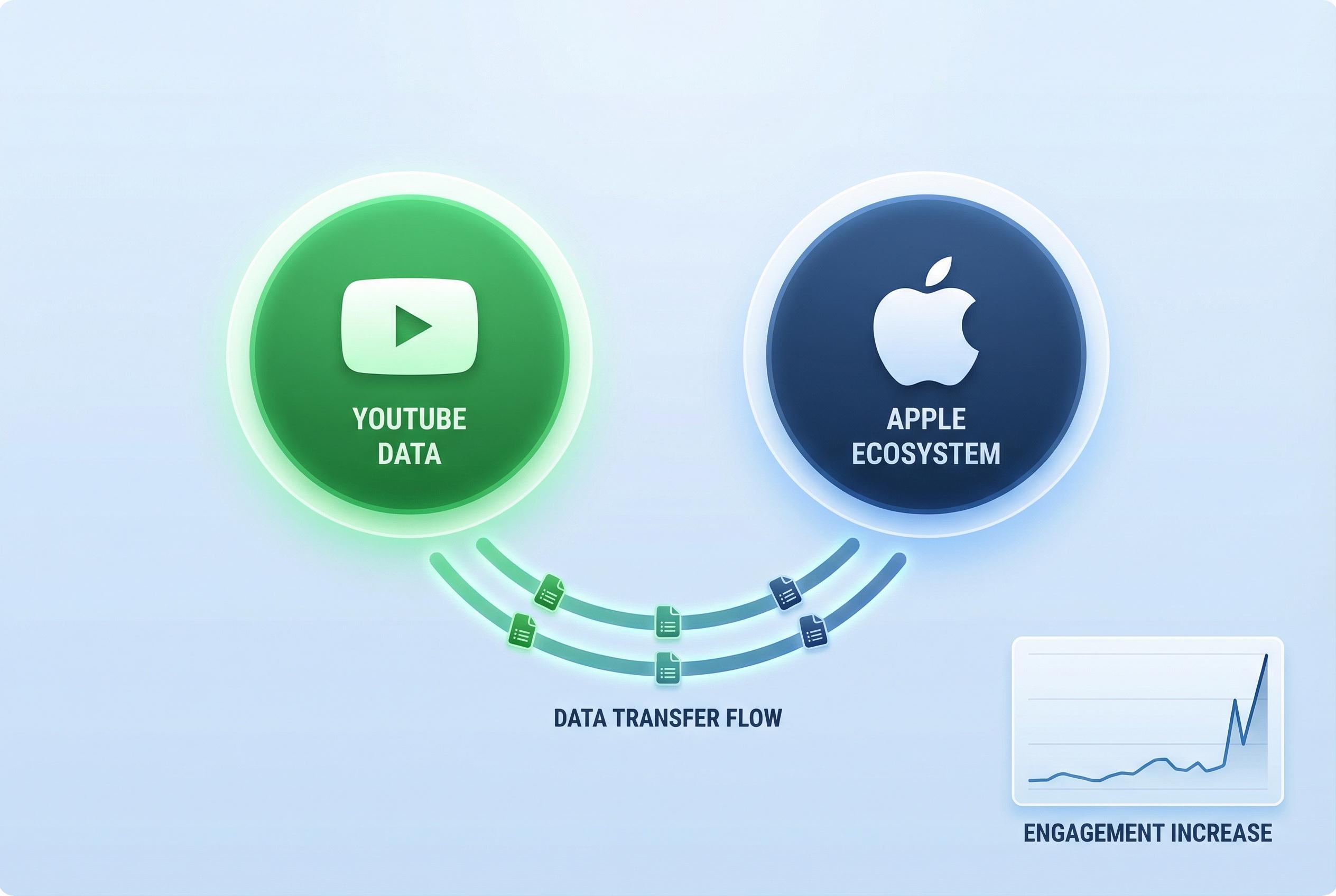
Three YouTube content creators have filed a class-action lawsuit against Apple, alleging the tech giant scraped their videos without consent to train its artificial intelligence systems, raising legal questions over data use and copyright protections in AI development.
Apple has been hit with a proposed class-action lawsuit by three YouTube creators who allege the company harvested their videos without consent to train its artificial intelligence systems. According to legal filings reported by 9to5Mac and other outlets, the complaint claims Apple downloaded and used creators’ clips for research and model development without permission, payment or attribution. [2],[3]
The plaintiffs include well-known channels such as h3h3Productions alongside golf-focused creators MrShortGame Golf and Golfholics, who say their footage appears repeatedly in a dataset linked to Apple’s research. Media accounts indicate the creators assert their videos show up hundreds of times in the indexed collection cited by researchers. [3],[5]

At the centre of the dispute is a dataset referred to as Panda-70M, which Apple researchers mentioned in a 2025 paper on video-generation models. Reporting by 9to5Mac and Cryptonomist describes Panda-70M as an index of millions of YouTube clips organised by URL, timestamps and identifiers, requiring the retrieval of individual video files from YouTube in order to be used for training. [2],[7]
The suit alleges that assembling such a dataset necessitated bypassing YouTube’s technical safeguards and therefore violated the Digital Millennium Copyright Act’s prohibitions on evading access controls. Coverage from Afterdawn and Notebookcheck notes the plaintiffs argue each downloaded clip represents a separate act of scraping that infringed on their copyright protections. [3],[5]
Apple has not publicly provided a detailed account of how it handled third-party video material in its training pipeline, and reports highlight industry-wide legal exposure over data sources used to build AI. AppleInsider has chronicled related litigation involving other datasets such as The Pile, underlining that disputes over whether companies can rely on large scraped corpora for model training are an ongoing source of legal risk. [6],[4]
The complaint seeks monetary damages and asks the court to enjoin further use of the creators’ content in training efforts. Observers quoted in technology reporting say the case could test how copyright law applies to large-scale video datasets and whether commercial developers must obtain licences or provide compensation when incorporating user-generated content into AI systems. [2],[3]
The litigation adds to a wave of challenges confronting tech firms as regulators, rights holders and creators press for clearer rules on consent, attribution and remuneration in AI development. Industry commentary suggests outcomes from this and similar suits may shape both corporate data‑gathering practices and legislative responses in the months ahead. [6],[7]
Source Reference Map
Inspired by headline at: [1]
Sources by paragraph:
Source: Noah Wire Services
Noah Fact Check Pro
The draft above was created using the information available at the time the story first
emerged. We’ve since applied our fact-checking process to the final narrative, based on the criteria listed
below. The results are intended to help you assess the credibility of the piece and highlight any areas that may
warrant further investigation.
Freshness check
Score:
8
Notes:
The news article reports on a lawsuit filed on April 3, 2026, which is recent. However, similar lawsuits against tech companies for unauthorized AI training have been reported in the past, indicating that this is an ongoing issue. ([law360.com](https://www.law360.com/articles/2461742/youtube-creators-say-amazon-scrapes-videos-to-train-ai?utm_source=openai))
Quotes check
Score:
7
Notes:
The article includes direct quotes from the lawsuit and references to legal filings. However, without access to the full legal documents, it’s challenging to verify the exact wording and context of these quotes.
Source reliability
Score:
8
Notes:
The article cites reputable sources such as 9to5Mac and AfterDawn. However, the primary source of the information appears to be a press release or legal filing, which may not be entirely independent.
Plausibility check
Score:
9
Notes:
The claims in the article are plausible, given the increasing scrutiny of AI companies’ data collection practices. Similar lawsuits have been filed against other tech giants for similar reasons. ([law360.com](https://www.law360.com/articles/2461742/youtube-creators-say-amazon-scrapes-videos-to-train-ai?utm_source=openai))
Overall assessment
Verdict (FAIL, OPEN, PASS): PASS
Confidence (LOW, MEDIUM, HIGH): MEDIUM
Summary:
The article reports on a recent lawsuit alleging that Apple used YouTube videos without consent to train its AI models. While the information is plausible and the sources are generally reliable, the reliance on press releases and legal filings raises concerns about the independence of the verification sources. Further independent verification is recommended to confirm the details of the lawsuit and the claims made within it.
