


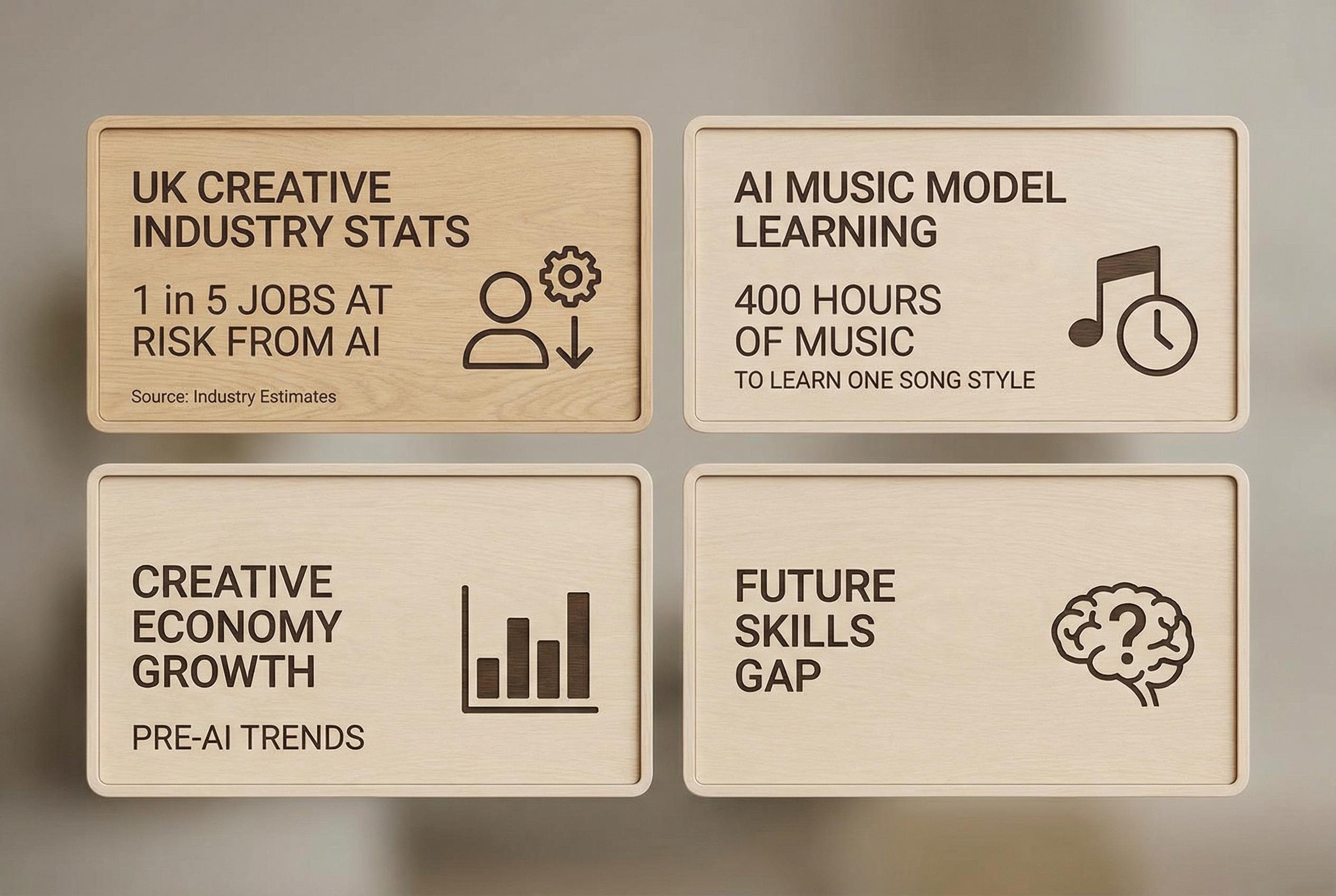
The House of Lords Communications and Digital Committee calls for a licensing-first approach to protect UK creators from uncredited use of their works in AI training, positioning the UK as a leader in responsible AI development amid mounting industry concerns.
The House of Lords Communications and Digital Committee published a report on 6 March 2026 setting out recommendations intended to shield the UK’s creative industries from the disruptive effects of generative artificial intelligence while mapping a path for responsible AI development. According to the committee, the inquiry, which began in November 2025 and gathered evidence from ministers, technology firms and industry groups, was designed to inform government policy ahead of an imminent economic impact assessment and a separate government report on AI and copyright. (Inspired by headline at: [1])
The committee frames the choice facing ministers starkly: the UK can position itself as a “world-leading home for responsible, licensing-based artificial intelligence development” or it can allow a drift towards broad acceptance of large-scale use of unlicensed creative content by overseas models, a course it judged inimical to national cultural and economic interests. Government statistics cited in the committee’s case underline the scale at stake: the creative industries contributed £124.0 billion in gross value added in 2023, a substantial share of the economy compared with the UK’s more nascent AI sector.

The report warns that weakening copyright protections would damage rightsholders and undermine a viable licensing market, urging a licensing-first regime to ensure creators are remunerated while enabling sustainable AI growth. Committee chair Baroness Keeley said in the press release that “Our creative industries face a clear and present danger from uncredited and unremunerated use of copyright material to train AI models. Photographers, musicians, authors and publishers are seeing their work fed into AI models, which then produce imitations that take employment and earning opportunities from the original creators.” She added that the government should “not pursue a new text and data mining exception with an opt-out mechanism for training commercial AI models” and should bolster protections against unauthorised digital replicates and “in the style of” uses.
Scraping of third-party content sits at the centre of the committee’s concerns. The report reiterates longstanding industry complaints that large language and image models have been trained on extensive collections of copyrighted material without creators’ consent or payment, a practice that has already prompted litigation elsewhere and fuelled calls for clearer legal boundaries and transparent use of training data. Industry commentators and legal advisers have flagged that any change to UK copyright law could have material consequences for collective licensing markets and the livelihoods of freelance and smaller-scale creators.
The report increases pressure on ministers at a moment when government posture remains outwardly pro-innovation and sector-led, a stance favoured by some technology trade bodies. Organisations representing the tech sector signalled a willingness to work with government and creators to craft a competitive framework for AI, arguing that clarity on text and data mining incentives will be important to attract investment. At the same time, trade and creator groups warned that voluntary principles alone will not prevent widespread unremunerated use of creative work.
Responses to the committee’s recommendations were sharply divided. The Independent Society of Musicians welcomed the findings, describing generative AI as an existential threat and urging adoption of fairness-focused frameworks for data use. Other industry voices cautioned that a heavy-handed approach could dent the UK’s AI ambitions and risk chilling investment and research. Non-profit data-certification initiatives and rights advocates praised the emphasis on licensing, while trade bodies called for pragmatic measures to sustain innovation and competitiveness.
Looking ahead, the committee’s intervention is likely to shape the policy conversation during a period of legislative and regulatory work already under way: government-mandated studies and forthcoming frameworks are expected to examine economic implications and collective licensing options during 2026, creating opportunities for incremental change even if primary legislation remains further off. The Lords’ report has shifted the political debate, making any outright rejection of creator protections politically harder and raising the prospect of substantive policy steps in the coming 12 to 24 months.
Source Reference Map
Inspired by headline at: [1]
Sources by paragraph:
Source: Noah Wire Services
Noah Fact Check Pro
The draft above was created using the information available at the time the story first
emerged. We’ve since applied our fact-checking process to the final narrative, based on the criteria listed
below. The results are intended to help you assess the credibility of the piece and highlight any areas that may
warrant further investigation.
Freshness check
Score:
8
Notes:
The article was published on 7 April 2026, which is 32 days after the House of Lords Communications and Digital Committee’s report on AI and copyright was released on 6 March 2026. ([parliament.uk](https://www.parliament.uk/business/lords/media-centre/house-of-lords-media-notices/2026/march-2026/uk-creative-industries-face-a-clear-and-present-danger-from-generative-ai-government-must-not-sacrifice-our-outstanding-creative-capacity-for-speculative-ai-gains/?utm_source=openai)) The content appears to be original, with no evidence of recycling from previous news. However, the article is hosted on HackerNoon, a platform known for user-generated content, which may affect the perceived credibility of the source.
Quotes check
Score:
7
Notes:
The article includes direct quotes attributed to Baroness Keeley, Chair of the House of Lords Communications and Digital Committee. ([parliament.uk](https://www.parliament.uk/business/lords/media-centre/house-of-lords-media-notices/2026/march-2026/uk-creative-industries-face-a-clear-and-present-danger-from-generative-ai-government-must-not-sacrifice-our-outstanding-creative-capacity-for-speculative-ai-gains/?utm_source=openai)) A search for these quotes reveals no exact matches in earlier publications, suggesting they are original. However, without access to the original report, it’s challenging to verify the accuracy and context of these quotes.
Source reliability
Score:
6
Notes:
The article is published on HackerNoon, a platform that hosts user-generated content. While it may provide valuable insights, the lack of editorial oversight raises concerns about the reliability and accuracy of the information presented. The article does not appear to be summarising or aggregating content from other sources, indicating some level of originality.
Plausibility check
Score:
8
Notes:
The claims made in the article align with the known positions of the House of Lords Communications and Digital Committee regarding AI and copyright. ([parliament.uk](https://www.parliament.uk/business/lords/media-centre/house-of-lords-media-notices/2026/march-2026/uk-creative-industries-face-a-clear-and-present-danger-from-generative-ai-government-must-not-sacrifice-our-outstanding-creative-capacity-for-speculative-ai-gains/?utm_source=openai)) The article also references the Society of Authors’ response to the report, ([societyofauthors.org](https://societyofauthors.org/2026/03/06/soa-welcomes-the-lords-communications-digital-committees-report-recommendations/?utm_source=openai)) which is consistent with their known advocacy for creators’ rights. However, the article’s tone and language are more informal than typical corporate or official communications, which may affect its perceived credibility.
Overall assessment
Verdict (FAIL, OPEN, PASS): PASS
Confidence (LOW, MEDIUM, HIGH): MEDIUM
Summary:
The article provides a timely and original summary of the House of Lords Communications and Digital Committee’s report on AI and copyright, with references to primary sources. However, the informal tone, lack of editorial oversight, and reliance on a user-generated content platform raise concerns about the reliability and credibility of the information presented. Further verification from more authoritative sources is recommended before publishing.
