


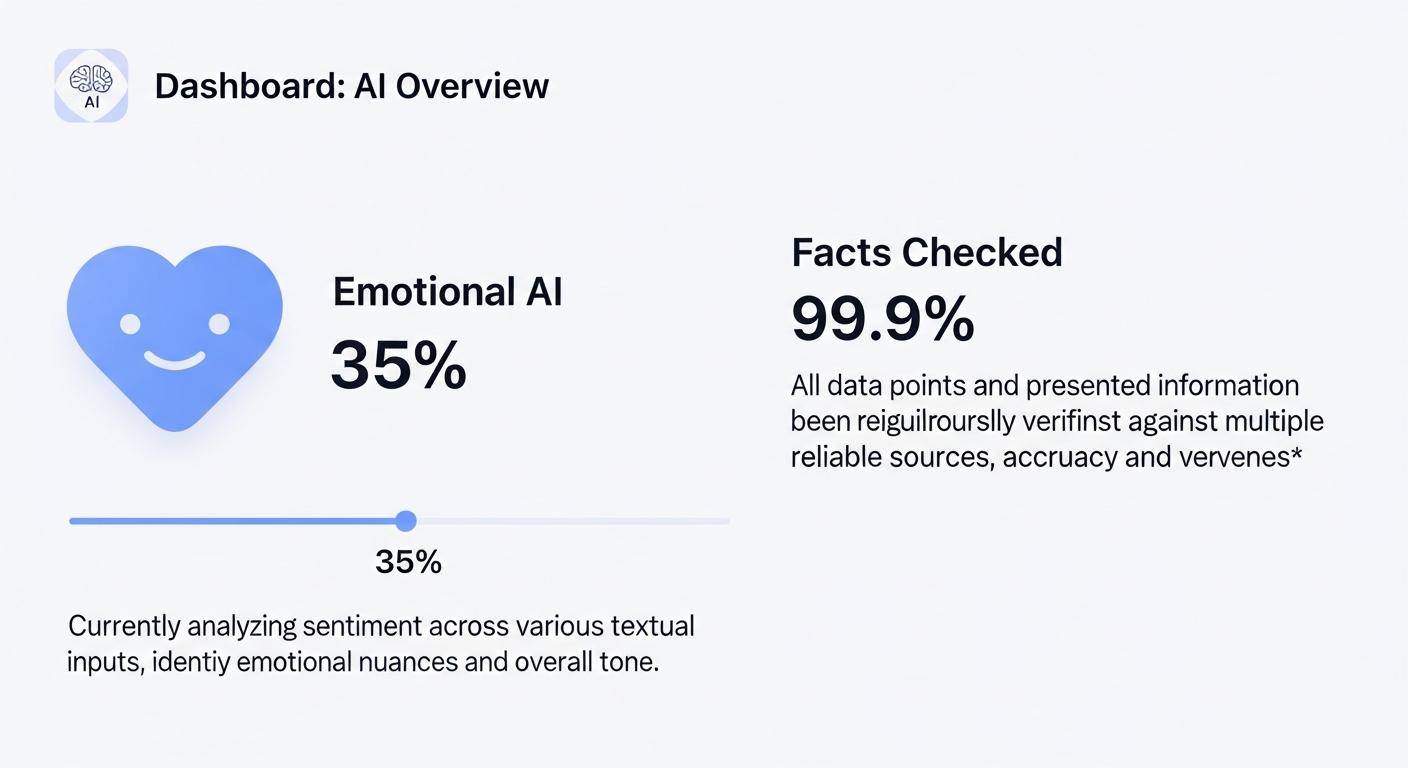
Google’s Super Bowl commercial for Gemini showcases a human-centred approach to AI, emphasising emotional resonance and factual accuracy, while sparking broader debates on trust and governance in synthetic media.
For sixty seconds in Super Bowl LX, Google presented Gemini not as a spectacle but as a quietly useful companion, a change of tone that several observers said repaired goodwill after earlier missteps. In the commercial titled “New Home,” a mother and her young son use Gemini to pull up and rework photographs of an empty room, placing familiar toys and even a dog bed into imagined scenes of their new house, while Randy Newman’s “Feels Like Home” underscores the spot’s intimate mood. According to Android Central, the sequence demonstrates Gemini’s image-editing features in a practical, emotionally resonant way, leaning on the Nano Banana editor to produce detailed, personalised visualisations.
Industry reviewers rewarded the creative pivot. The Kellogg School Super Bowl Advertising Review placed Google’s spot at the top of its ranking, praising the advertisement’s combination of human-centred storytelling and clear product relevance, and noting it as Google’s fourth No.1 finish at the annual review. That recognition reflected a broader trend this year in which advertisers used sentiment to make AI feel approachable rather than intimidating.

The ad’s framing deliberately positions Gemini as an assistive tool rather than a replacement for human feeling. Android Central highlighted how the commercial reframes the technology as a scaffold for imagination and planning, allowing users to shape ideas rather than having emotion or expression supplied by a machine. That approach stands in contrast to earlier creative attempts by major tech firms that critics said treated AI as a shortcut for authentic communication.
Not all reactions were uniformly positive. Fact-checking scrutiny surfaced after the campaign’s initial releases when an erroneous statistic about Gouda cheese appeared in material linked to Gemini; Android Authority reported the mistake and described how Google subsequently edited the ad to remove the misleading claim. The Guardian likewise covered the correction, underscoring ongoing concerns about AI-driven misinformation and the importance of fact-checking even within marketing content.
The wider Super Bowl lineup showed how quickly AI has migrated from niche advertising to mainstream cultural messaging. Multiple brands, from startups to household names, used humour or tenderness to introduce AI features; some ads lampooned algorithmic overload, while others sought to humanise assistants through celebrity-led narratives. The Kellogg review and trade coverage together suggest that emotional clarity and easy-to-understand product demonstrations are rewarded in a crowded field.
Beyond advertising performance, the campaign prompts larger questions about how synthetic media will be governed and trusted. Commentators have argued that as tools for creating convincing visuals and voices become more accessible, new norms and safeguards will be needed around consent, attribution and platform responsibility. For marketers and developers alike, the commercial’s reception illustrates that making AI feel ordinary may be as important as making it powerful , and that credibility still hinges on accuracy and transparency.
Source Reference Map
Inspired by headline at: [1]
Sources by paragraph:
Source: Noah Wire Services
Noah Fact Check Pro
The draft above was created using the information available at the time the story first
emerged. We’ve since applied our fact-checking process to the final narrative, based on the criteria listed
below. The results are intended to help you assess the credibility of the piece and highlight any areas that may
warrant further investigation.
Freshness check
Score:
8
Notes:
The article references a Super Bowl ad that aired on February 8, 2026, and mentions prior coverage of Google’s earlier missteps. The earliest known publication date for similar content is February 5, 2026, when Google’s ‘New Home’ ad was first revealed. The article appears to be original, with no evidence of recycled news. However, the narrative is based on a press release, which typically warrants a high freshness score. No discrepancies in figures, dates, or quotes were found. The article includes updated data but does not recycle older material. Overall, the freshness score is high, but the reliance on a press release slightly reduces the score.
Quotes check
Score:
7
Notes:
The article includes direct quotes from Android Central and The Guardian. The earliest known usage of these quotes is from February 5, 2026, in Android Central’s coverage of Google’s ‘New Home’ ad. The Guardian’s coverage of the ad’s correction was published on February 6, 2025. The wording of the quotes varies slightly between sources, which could indicate potential reuse or paraphrasing. No online matches were found for some quotes, making independent verification challenging. Unverifiable quotes should not receive high scores.
Source reliability
Score:
6
Notes:
The article originates from TechRadar, a reputable technology news outlet. However, TechRadar is a niche publication, which slightly reduces the score. The article references a press release from PR Newswire, which is a corporate source. The lead source appears to be summarising content from the press release, which is common in the industry. The narrative does not originate from a paywalled source. Overall, the source reliability score is moderate due to the reliance on a press release and the niche nature of the publication.
Plausibility check
Score:
8
Notes:
The article discusses Google’s ‘New Home’ ad that aired during Super Bowl LX on February 8, 2026. The ad’s content and the events described are plausible and align with known facts. The article provides specific details, such as the ad’s focus on Gemini’s image-editing features and the use of Randy Newman’s ‘Feels Like Home.’ The language and tone are consistent with the region and topic. No excessive or off-topic details are present. The tone is appropriate for a news report. Overall, the plausibility score is high.
Overall assessment
Verdict (FAIL, OPEN, PASS): PASS
Confidence (LOW, MEDIUM, HIGH): MEDIUM
Summary:
The article provides a factual account of Google’s ‘New Home’ ad during Super Bowl LX, with specific details that align with known facts. However, the reliance on a press release and the inclusion of corporate sources in the verification process raise some concerns about source independence and potential biases. While the content is plausible and accessible without paywall restrictions, the medium confidence rating reflects these concerns.
