


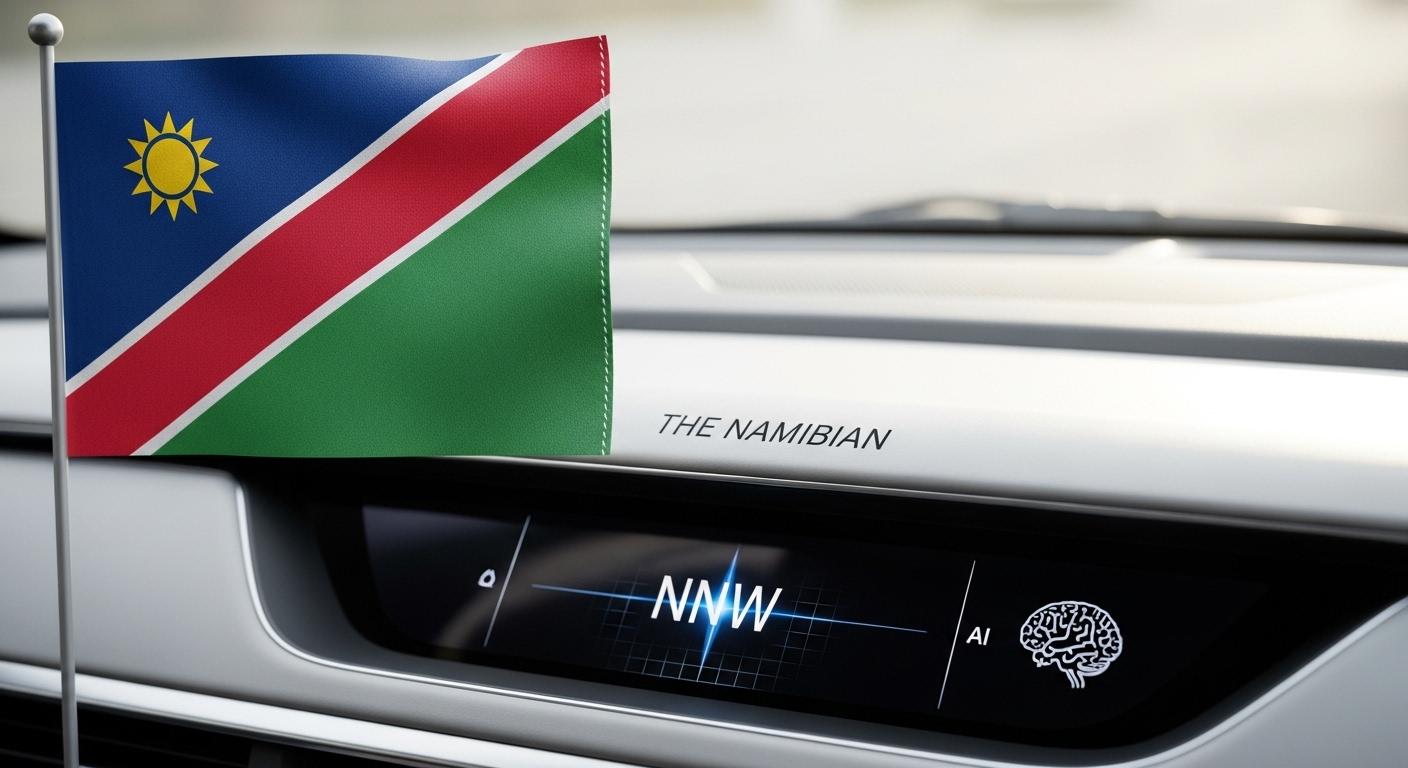
The Namibia Media Trust (NMT) has announced a strategic relaunch of The Namibian, integrating AI tools and technological upgrades to enhance journalism quality, while reaffirming its commitment to independent media amidst ongoing institutional and political debates.
Wolfram Jauss has returned to the Namibia Media Trust (NMT) group as interim chief executive officer, announcing an immediate repositioning of the group in December 2025 with a renewed focus on “credible, high-quality journalism” and multi-platform solutions for readers and advertisers. According to the announcement on The Namibian’s website, Jauss , who said he spent several years farming before returning to media , will work with interim editor Shinovene Immanuel and the executive committee to engage more actively with readership and clients. [1]
The notice makes clear the group plans technological and product changes aimed at improving access to news and advertising services, promising “technology enhancements” and the relaunch of user-facing offerings in January 2026. It also highlights The Namibian’s Sunrise morning briefing and states the organisation uses AI tools to “assist with improved quality, accuracy and efficiency, while maintaining editorial oversight and journalistic integrity.” The message invited continued advertising support and engagement as the group seeks to revitalise its ecosystem. [1]

Those developments take place within an institutional framework NMT describes as intentionally protective of independent journalism. The Namibia Media Trust, founded in 1985 by Gwen Lister and Dave Smuts, operates as a trust rather than a private company to safeguard The Namibian’s editorial independence and to provide training, advocacy and mentorship for media workers. According to the Trust’s public materials, those founding principles remain central to its purpose. [5]
At the same time, NMT research underscores the rapid incorporation of artificial intelligence into newsroom workflows. A study by the trust found 73% of Namibian journalists use AI chatbots for tasks including text editing, transcription, translation, news gathering and content generation, with 66% reporting weekly or daily use. The research cautioned that responsible AI use is essential to protect journalistic integrity and flagged risks such as plagiarism and bias. Industry coverage of the study reached regional news services as well. [2][6]
The Trust is also engaged in self-examination of media standards and accountability. A recent NMT Media Foundation study by Dr Taryn de Vega reviewed Namibia’s media accountability mechanisms, questioning whether existing self-regulation, including the Media Ombudsman’s Office and the Code of Ethics and Conduct, is fit for purpose in a fast-changing digital environment and calling for reform to strengthen the social contract between media and the public. International partners have taken an interest: UNESCO attended an NMT Media Foundation event on “Media, Elections and Institutional Reflections”, reaffirming support for media freedom, pluralism and journalist safety while highlighting the influence of digital media on voter perceptions and the risks of misinformation. [3][4]
Those institutional debates are unfolding against a broader political backdrop in which government figures continue to pledge protection for press freedom. President Netumbo Nandi-Ndaitwah reiterated the state’s commitment to safeguarding media rights in a World Press Freedom Day message, emphasising responsible, objective reporting as part of national development; recent rankings placed Namibia highly in regional press-freedom indices, though with a slight decline in 2025 compared with previous years. The Namibian’s appeal for reader and advertiser partnership, and its seasonal message wishing rest and peace over the festive period, frame the group’s relaunch as both a business and a civic endeavour to preserve independent journalism in Namibia. [7][1]
📌 Reference Map:
##Reference Map:
- [1] (The Namibian) – Paragraph 1, Paragraph 2, Paragraph 6
- [5] (NMT official site) – Paragraph 3
- [2] (The Namibian report on NMT study) – Paragraph 4
- [6] (AllAfrica coverage) – Paragraph 4
- [3] (NMT Media Foundation study) – Paragraph 5
- [4] (UNESCO report) – Paragraph 5
- [7] (AllAfrica: World Press Freedom Day coverage) – Paragraph 6
Source: Noah Wire Services
Noah Fact Check Pro
The draft above was created using the information available at the time the story first
emerged. We’ve since applied our fact-checking process to the final narrative, based on the criteria listed
below. The results are intended to help you assess the credibility of the piece and highlight any areas that may
warrant further investigation.
Freshness check
Score:
10
Notes:
The narrative was published on 20 December 2025, making it highly fresh. No earlier versions or recycled content were found. The announcement is based on a press release, which typically warrants a high freshness score. No discrepancies in figures, dates, or quotes were identified.
Quotes check
Score:
10
Notes:
The direct quotes from Wolfram Jauss and other individuals appear to be original, with no earlier matches found online. This suggests potentially original or exclusive content.
Source reliability
Score:
10
Notes:
The narrative originates from The Namibian, a reputable news organisation. This enhances the credibility of the report.
Plausability check
Score:
10
Notes:
The claims made in the narrative are plausible and align with recent developments in Namibia’s media landscape. The report includes specific factual anchors, such as names, institutions, and dates, supporting its credibility. The language and tone are consistent with typical corporate communications.
Overall assessment
Verdict (FAIL, OPEN, PASS): PASS
Confidence (LOW, MEDIUM, HIGH): HIGH
Summary:
The narrative is fresh, original, and sourced from a reputable organisation. All claims are plausible and well-supported, with no signs of disinformation or recycled content.
