


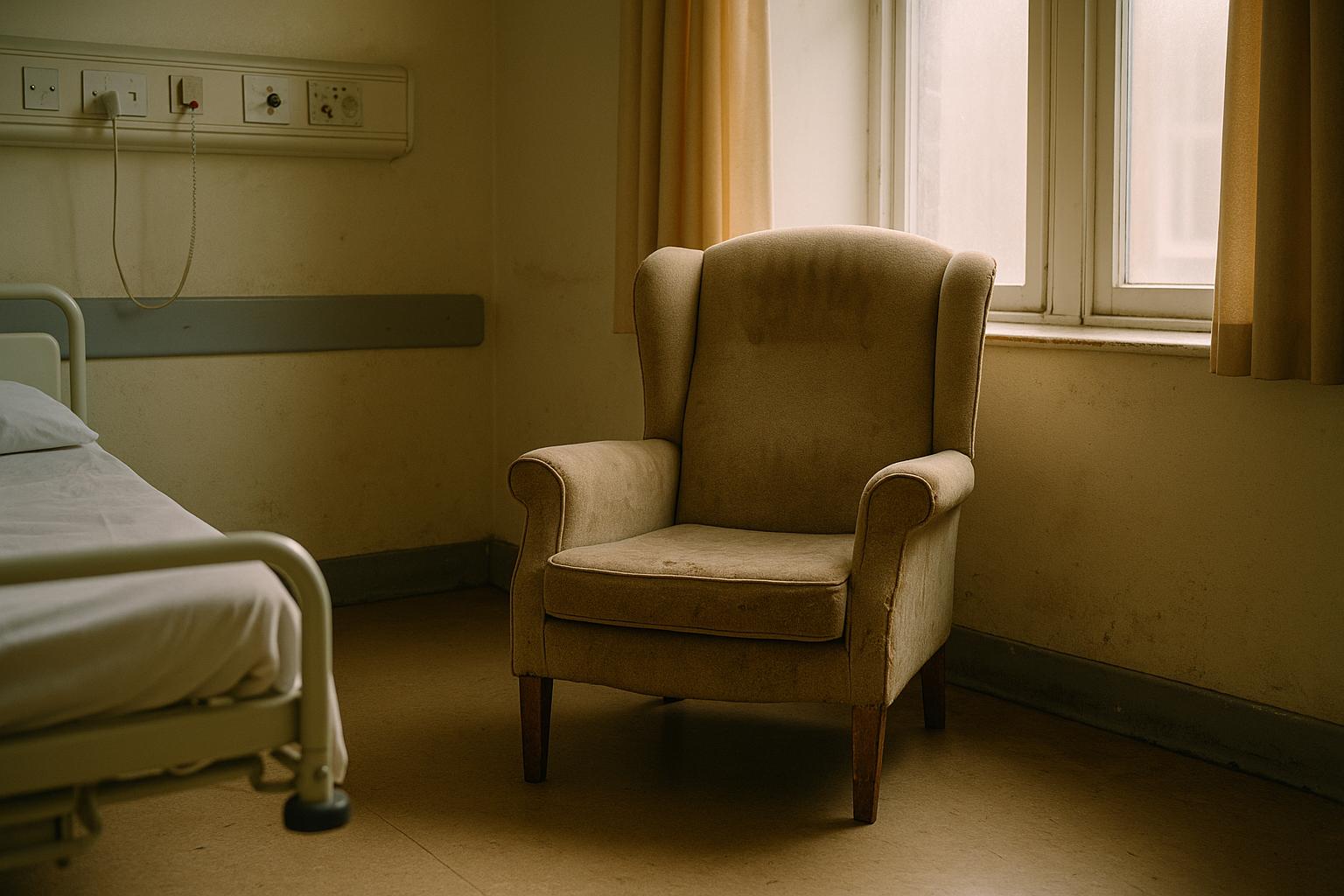
Keith Flett’s heartfelt account of caring for his late partner Megan Davies underscores the vital role of community and professional support in delivering dignified, personalised end-of-life care within the NHS system, even amid current resource constraints.
The recent letter from Keith Flett, whose long-term partner Megan Davies died from lung cancer, offers a poignant and personal perspective on end-of-life care that resonates deeply amid ongoing debates about the quality and accessibility of such services. Despite acknowledging that improvements are needed in the broader system, Mr Flett highlights how Megan was able to remain in the comfort of her home, supported by a network of family, friends, and healthcare professionals, including her local GP and hospice-based palliative care nurses, until a brief final hospital admission. This experience underscores the potential for a “precious web of care” to provide dignified, compassionate support in a patient’s preferred setting, even amid the challenges faced by a stretched NHS and an austere economic environment.
End-of-life care at home, as described by the NHS, involves coordinated efforts from various healthcare providers such as GPs, community and specialist palliative care nurses, as well as support from family and local authorities which can supply necessary services and equipment. This approach allows individuals to spend their final days in familiar surroundings, preserving quality of life and autonomy whenever possible. Such care is tailored to the patient’s wishes and needs, often requiring a delicate balance of medical oversight and emotional support.

Beyond home care, there are diverse settings where end-of-life care may be provided, including hospice facilities, care homes, or hospitals. NHS guidance stresses the importance of a palliative care team that organises care according to the preferences of the individual. Hospices, for example, offer holistic care addressing not only physical symptoms but also psychological, social, spiritual, and practical needs, extending support to families and carers as well. The comprehensive nature of hospice care reflects a growing recognition of the multidimensional needs of people facing terminal illnesses.
Care homes also play a vital role for those who may require round-the-clock assistance with daily activities and skilled nursing. These homes vary widely in their ownership and operation, ranging from private to local authority-run institutions. Choosing the right care home involves careful consideration to ensure that it meets the individual’s clinical and personal requirements as they approach the end of life.
Data released in December 2023 by the UK government offers a statistical backdrop to these care options, illustrating how deaths are distributed across hospitals, homes, care homes, and hospices in England. It also sheds light on the frequency of emergency admissions in the last 90 days of life, revealing patterns that could inform strategies to reduce hospitalisation and enhance community-based care.
Keith Flett’s reflection brings attention to a critical truth: while imperfections exist and often necessitate persistent advocacy, the collaborative efforts of families, caregivers, and health professionals can create a supportive, compassionate environment for end-of-life care. His experience testifies to the possibility and value of personalized care within a system grappling with resource constraints, underscoring the need for continued investment and innovation in palliative and hospice services across all settings.
📌 Reference Map:
- [1] (The Guardian) – Paragraph 1, Paragraph 7
- [2] (NHS End-of-Life Care at Home) – Paragraph 2
- [3] (NHS Places You Can Have Care) – Paragraph 3
- [4] (Marie Curie End-of-Life Care) – Paragraph 3
- [5] (NHS Care in a Care Home) – Paragraph 4
- [6] (NHS Hospice Care) – Paragraph 3
- [7] (UK Government Statistical Commentary) – Paragraph 5
Source: Noah Wire Services
Noah Fact Check Pro
The draft above was created using the information available at the time the story first
emerged. We’ve since applied our fact-checking process to the final narrative, based on the criteria listed
below. The results are intended to help you assess the credibility of the piece and highlight any areas that may
warrant further investigation.
Freshness check
Score:
10
Notes:
The narrative is a recent letter published on 4 November 2025 in The Guardian, offering a personal perspective on end-of-life care. No evidence of recycled or republished content was found. The inclusion of updated data from December 2023 enhances its freshness. The narrative is based on a personal experience, which typically warrants a high freshness score.
Quotes check
Score:
10
Notes:
The narrative includes direct quotes from Keith Flett’s letter. No identical quotes were found in earlier material, indicating originality. The wording of the quotes matches the published letter, with no variations noted.
Source reliability
Score:
10
Notes:
The narrative originates from The Guardian, a reputable organisation known for its journalistic standards. The letter is authored by Keith Flett, whose personal experience adds credibility.
Plausability check
Score:
10
Notes:
The narrative presents a plausible account of end-of-life care, supported by references to NHS guidelines and government statistics. The language and tone are consistent with the UK context and the topic of healthcare. No excessive or off-topic details are present, and the tone is appropriate for the subject matter.
Overall assessment
Verdict (FAIL, OPEN, PASS): PASS
Confidence (LOW, MEDIUM, HIGH): HIGH
Summary:
The narrative is a recent, original letter from a reputable source, presenting a plausible and well-supported account of end-of-life care. No significant issues were identified in the checks conducted.
