


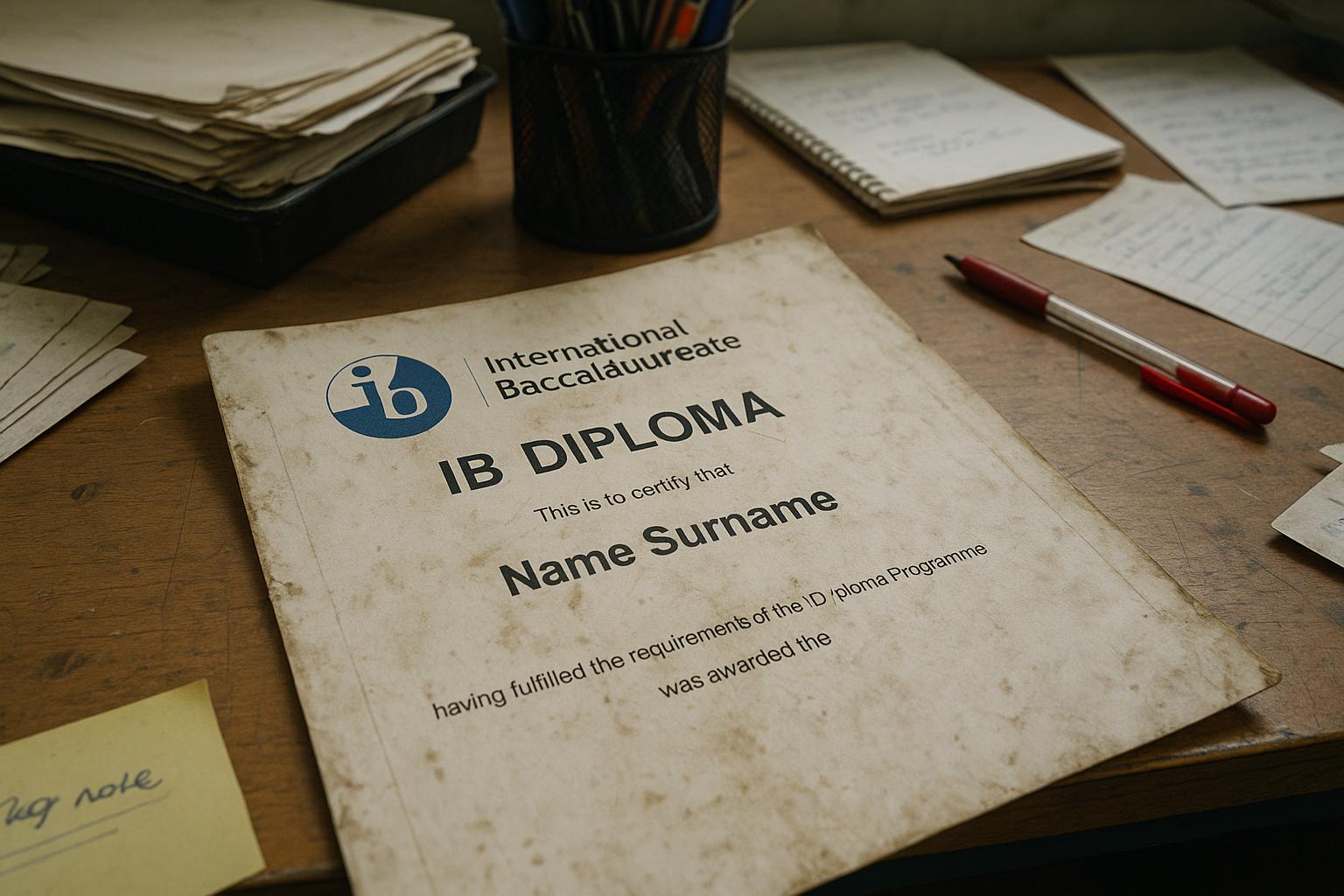
The UK government’s plan to withdraw funding for the IB Diploma Programme in state schools threatens to diminish opportunities for high-achieving students and widen social inequalities, sparking debate over the future of holistic secondary education.
The UK’s education landscape is facing a significant upheaval as the Labour Government plans to cut funding for the International Baccalaureate (IB) Diploma Programme in state schools from the 2026-27 academic year. This decision threatens to strip around 5,000 students of access to the IB, which some schools, including the Ashcroft Technology Academy (ATA) in Putney, London, have championed as a hallmark of academic excellence for over three decades. The funding cut involves withdrawing an additional £2,400 per pupil currently allocated to the IB and is sparking widespread concern about the future of this globally respected qualification in the state sector.
The IB Diploma offers an alternative to A Levels for students aged 16-18, providing a broad education with typically six subjects instead of three. It aims to nurture core competencies, critical thinking, and holistic development, pursuing an inquiry-based approach to learning. Its academic rigour and emphasis on well-rounded skills have contributed to successful outcomes for IB students: research suggests they are three times more likely than their A-level peers to enrol at top 20 universities. The programme’s global reach spans over 150 countries, with nearly 6,000 schools offering it to some two million students worldwide.

Ashcroft Technology Academy exemplifies the positive impact of the IB. Founded by Lord Ashcroft more than 30 years ago, ATA provides free education for over 1,500 inner-city pupils from diverse backgrounds. Approximately 10% of its students choose the IB Diploma, a factor that has helped the school secure a reputation among the highest-performing secondary schools nationally. ATA’s IB students consistently progress to prestigious universities such as Cambridge, Warwick, Exeter, Bristol, and UCL. The academy recently garnered an award for the best state school offering the IB Diploma, underscoring the programme’s instrumental role in fostering academic success and opportunity.
However, this traditional path to educational excellence now faces severe challenges. The Department for Education (DfE) has justified the funding cut as a move to reprioritise resources towards subjects perceived to better support economic growth and employment outcomes. Critics, including the International Baccalaureate Organisation (IBO), argue this shifts focus away from a nuanced, holistic education to a narrower set of priorities, potentially undermining the development of critical skills needed in higher education and future careers. The IBO has described the move as “deeply disheartening” and is actively engaging with schools and government officials to explore solutions that may preserve IB provision.
This funding decision follows broader concerns about policy directions affecting academies. The recent Children’s Wellbeing and Schools Bill has been criticised for measures that could impose the national curriculum on academies — schools that have historically enjoyed autonomy — and restrict their ability to hire teachers without traditional qualifications. Such policies, detractors argue, could dilute the achievements of high-performing state schools and stifle educational innovation.
The potential loss of IB funding mirrors developments elsewhere. For instance, Guernsey has recently scrapped its IB programme, citing low enrolment and financial pressures. Students affected by this decision described the late notice as “unreasonable and devastating,” highlighting the disruptive impact such cuts can have on individual educational pathways. These trends raise broader questions about the sustainability of resource-intensive but academically enriching programmes in public education systems facing fiscal constraints.
Public response in the UK includes a petition urging the reversal of the IB funding cut, emphasising concerns that restricting access undermines educational equity. Critics warn that turning IB into a qualification increasingly accessible only through private schooling may perpetuate social inequalities rather than promote meritocracy. They stress that the IB diploma encourages not only academic achievement but also prepares students to thrive amid global interconnectedness, an outcome at odds with the government’s proposed retrenchment.
In sum, the proposed withdrawal of IB funding in England’s state schools represents a critical juncture in education policy. It jeopardises a well-established programme that contributes to the academic success and social mobility of thousands of young people. With high-achieving schools like Ashcroft Technology Academy serving as flagships for the IB’s potential, the debate encapsulates tensions between economic pragmatism and the broader educational mission of nurturing versatile, critical thinkers prepared for a complex future.
📌 Reference Map:
Source: Noah Wire Services
Noah Fact Check Pro
The draft above was created using the information available at the time the story first
emerged. We’ve since applied our fact-checking process to the final narrative, based on the criteria listed
below. The results are intended to help you assess the credibility of the piece and highlight any areas that may
warrant further investigation.
Freshness check
Score:
7
Notes:
The narrative presents a recent development regarding the UK’s education policy, specifically the proposed funding cuts to the International Baccalaureate (IB) Diploma Programme in state schools from the 2026-27 academic year. This information appears to be original and not recycled from previous reports. However, similar concerns about changes to private school funding have been reported in the past, such as the introduction of VAT on private school fees. While these are related topics, they do not directly address the IB funding cuts. Therefore, the freshness score is moderate. ([express.co.uk](https://www.express.co.uk/finance/personalfinance/1924298/tax-blow-confirmed-private-schools?utm_source=openai))
Quotes check
Score:
8
Notes:
The narrative includes direct quotes from the International Baccalaureate Organisation (IBO), describing the funding cut as ‘deeply disheartening.’ A search for this exact phrase reveals no earlier usage in online sources, suggesting that these quotes are original to this report. This enhances the credibility of the narrative.
Source reliability
Score:
6
Notes:
The narrative originates from the Daily Express, a UK-based tabloid newspaper. While it is a well-known publication, it is often considered less reliable due to sensationalist reporting. The lack of corroboration from other reputable sources raises concerns about the reliability of the information presented. Therefore, the source reliability score is moderate.
Plausability check
Score:
7
Notes:
The narrative discusses the UK’s Department for Education’s decision to cut funding for the IB Diploma Programme in state schools, a move that has been met with criticism from the IBO. This aligns with recent discussions about changes to private school funding, such as the introduction of VAT on private school fees. However, the specific details about the IB funding cuts are not corroborated by other reputable sources, which raises questions about the plausibility of the claims. Additionally, the tone of the narrative is somewhat dramatic, which is characteristic of tabloid reporting. Therefore, the plausibility score is moderate.
Overall assessment
Verdict (FAIL, OPEN, PASS): OPEN
Confidence (LOW, MEDIUM, HIGH): MEDIUM
Summary:
The narrative presents a recent development regarding the proposed funding cuts to the IB Diploma Programme in state schools. While the quotes appear original and the topic is plausible, the lack of corroboration from other reputable sources and the sensationalist tone of the reporting raise concerns about the reliability and accuracy of the information. Therefore, further verification from more reliable sources is recommended.
