


Listen to the article
In the wake of Charlie Kirk’s fatal shooting at Utah Valley University, Governor Spencer Cox has launched a broadside against social media, describing it as a “cancer on our society” that has directly contributed to recent political violence.
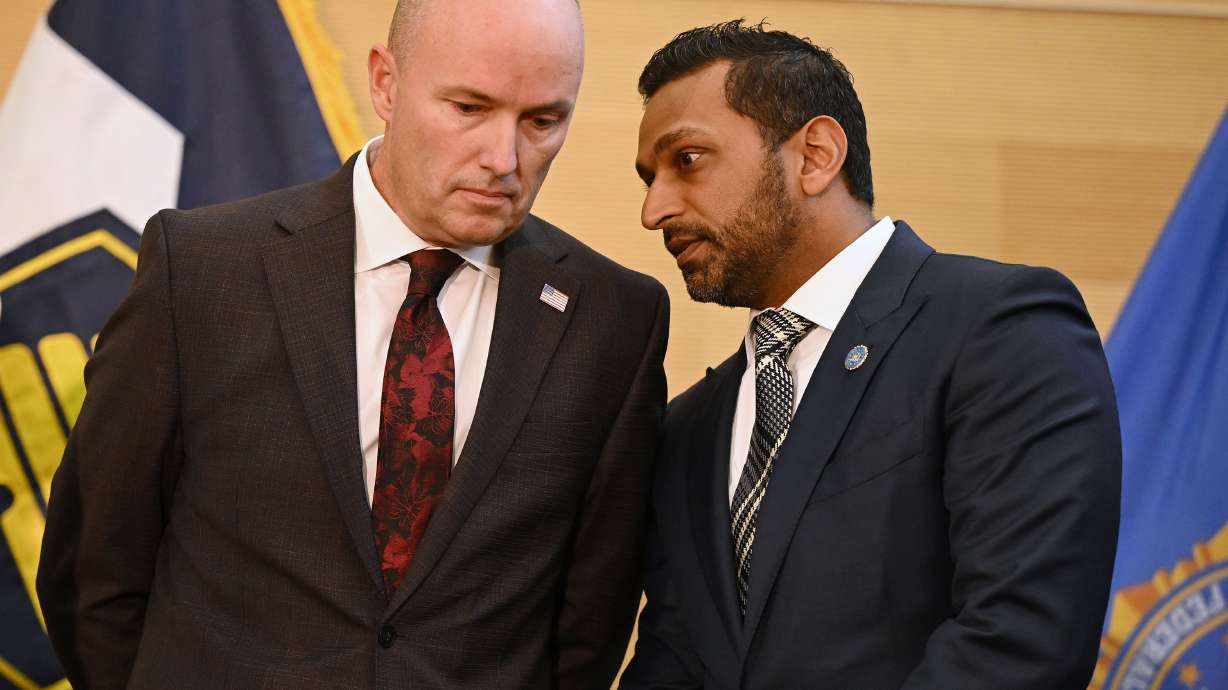
During a press conference with Utah Department of Public Safety and FBI officials while the manhunt for Kirk’s killer was still ongoing, Cox warned about the “tremendous amount” of disinformation circulating online.
“What we’re seeing is our adversaries want violence. We have bots from Russia, China, all over the world, that are trying to instill disinformation and encourage violence,” Cox said, adding that authorities have been tracking these efforts and plan to share more details in the coming weeks.
Tyler James Robinson, a 22-year-old from Washington, Utah, was arrested days after the shooting following tips from his family members and a friend. Even as authorities worked to apprehend the suspect, misinformation continued to proliferate online.
Most notably, Elon Musk’s Grok AI chatbot incorrectly identified a man named Michael Mallinson as the shooter in a post that remains visible to the platform’s 6.2 million followers despite being debunked. Mallinson, a 77-year-old retired banker living in Toronto, told CBC he felt “violated” by the false accusation.
“This was all shock and horror, first of all, that there’d been a shooting, but second of all that I was in any way named or implicated in it,” Mallinson said.
Even after Robinson’s arrest, Grok continued spreading contradictory information about the suspect, variously describing him as a registered Republican and as a nonpartisan voter. Official voter registration records confirm Robinson is not affiliated with any political party and has not voted in the last two election cycles.
Similar issues emerged with other AI tools. CBS reported that the AI search engine Perplexity described the shooting as a “hypothetical scenario” in a since-deleted post and suggested a White House statement on Kirk’s death was fabricated.
Cox’s criticism of social media isn’t new for the Utah governor. In June, his administration filed a 90-page lawsuit against Snap Inc., accusing the company of using “deceptive,” addictive features to attract children while failing to protect their wellbeing and privacy. This action is part of a broader pattern of legal challenges Utah has brought against major social media platforms.
According to Ali Ünlü, a researcher and policy analyst with the University of Virginia School of Education and Human Development, social media bots are increasingly sophisticated and difficult to identify. “Recent advancements in AI, especially generative AI, allow bots to blur the line between human and machine. This makes it challenging for even experts to determine whether they’re interacting with a person or a bot,” Ünlü explained.
These automated accounts can influence public opinion by “agenda setting” – flooding platforms with posts on specific issues to create a false sense of urgency or consensus. With generative AI capabilities, they can now craft content tailored to specific audiences using humor, memes, and sarcasm, making their messages more compelling and harder to dismiss.
Speaking on NBC’s “Meet the Press” after Robinson’s arrest, Cox compared the current climate to the political violence of the late 1960s, but with social media amplifying tensions in unprecedented ways.
“I believe that social media has played a direct role in every single assassination and assassination attempt that we have seen over the last five, six years,” Cox said.
The governor has consistently urged citizens to disconnect from these platforms, suggesting during the press conference that people should “stay off social media” and “spend a little time with our families” instead – a recommendation he has repeated in subsequent appearances as authorities continue their investigation into Kirk’s killing.
Verify This Yourself
Use these professional tools to fact-check and investigate claims independently
Reverse Image Search
Check if this image has been used elsewhere or in different contexts
Ask Our AI About This Claim
Get instant answers with web-powered AI analysis
Related Fact-Checks
See what other fact-checkers have said about similar claims
Want More Verification Tools?
Access our full suite of professional disinformation monitoring and investigation tools

8 Comments
It’s concerning to hear that foreign actors may be trying to sow discord and encourage violence through social media. Responsible reporting and fact-checking is crucial in these situations.
Agreed. Authorities will need to work closely with social media companies to identify and take down misinformation campaigns. The public also has a role to play in being more discerning consumers of online content.
This is a stark reminder of the real-world consequences that misinformation can have. I hope the investigation uncovers the full truth of what happened and brings the perpetrators to justice.
Curious to see what additional details the authorities plan to share about the efforts to track misinformation related to this incident. Transparency will be key to restoring public trust.
Agreed. Shining a light on the sources and tactics of online disinformation campaigns could help inoculate the public against their influence in the future.
Tragic news about the shooting. I hope the authorities can get to the bottom of what happened and address the spread of misinformation. Social media can be a double-edged sword when it comes to news and information.
You’re right, social media platforms need to be more vigilant about verifying information and curbing the spread of false narratives, especially around sensitive events.
While the spread of misinformation is concerning, I’m encouraged to hear that authorities are taking it seriously and working to address the problem. Fact-based reporting and digital literacy will be crucial going forward.