


Listen to the article
#
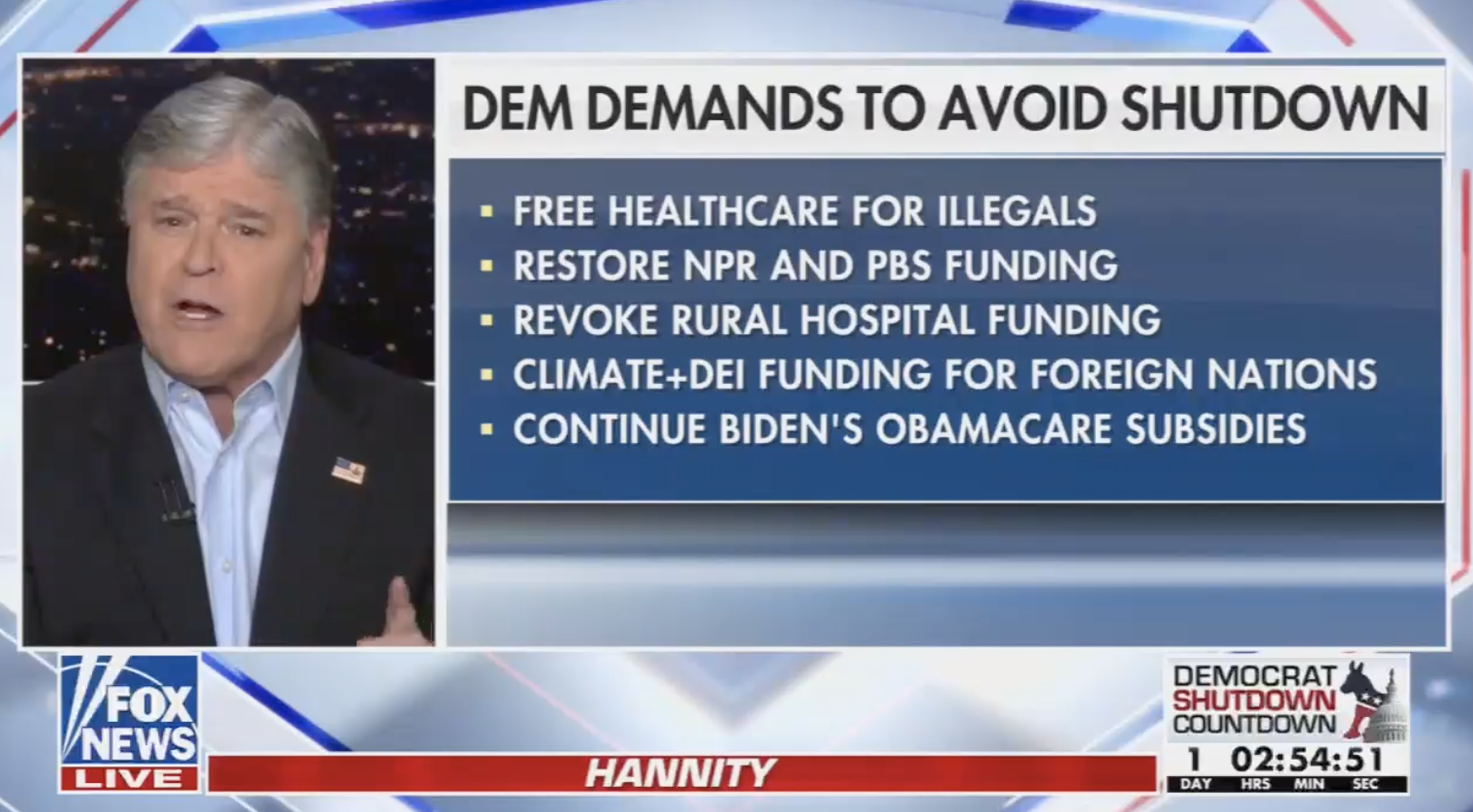
In a contentious debate over healthcare funding, Republicans have modified federal reimbursement rates for emergency care provided to undocumented immigrants, though the change affects far less of the Medicaid budget than political rhetoric suggests.
Emergency Medicaid, which represents less than 1% of total Medicaid spending nationwide, serves as a critical financial backstop for hospitals providing uncompensated emergency medical care. The program reimburses healthcare facilities for treating patients unable to pay for emergency services, regardless of immigration status, as mandated by the Emergency Medical Treatment & Labor Act (EMTALA).
The recent Republican-backed legislation doesn’t alter EMTALA’s core requirement that hospitals must treat anyone experiencing a medical emergency. Instead, it adjusts the federal government’s share of costs for emergency services delivered to undocumented immigrants in states that expanded Medicaid under the Affordable Care Act.
According to analysis from KFF, a non-partisan health policy research organization, the GOP’s summer legislative change “would not change eligibility for care for the immigrants themselves.” Hospitals must still provide emergency treatment to all patients, but the financial burden may shift more heavily to states or the healthcare providers themselves.
The policy change has ignited fierce political debate, particularly among conservative media figures who have characterized Democratic opposition to the measure as an attempt to fund healthcare for undocumented immigrants. This framing has been criticized as misleading by healthcare policy experts who emphasize that the issue concerns hospital reimbursement, not creating new benefits.
Healthcare providers have expressed concern about the financial implications. Hospitals in areas with large immigrant populations already operate on thin margins while providing significant uncompensated care. Reducing federal reimbursement could exacerbate financial strain on these crucial community healthcare facilities.
“Hospitals are legally and ethically obligated to provide emergency care to everyone,” explains Dr. James Thompson, president of the American Hospital Association. “These federal funds don’t create new benefits but simply help offset some of the billions in uncompensated care hospitals provide annually.”
An NBC News healthcare reporter noted the practical reality behind emergency care requirements: “If hospitals wait to check insurance or legal status, patients would bleed out and/or die.” This underscores why EMTALA has remained a cornerstone of emergency medicine since its 1986 enactment, requiring hospitals to stabilize patients regardless of their ability to pay or immigration status.
The controversy highlights the complex intersection between immigration policy, healthcare access, and hospital economics. Emergency departments serve as healthcare safety nets in communities nationwide, but questions about who should bear the financial responsibility for treating uninsured or undocumented patients remain politically divisive.
Hospital administrators warn that reducing federal support could lead to service reductions or facility closures in communities already experiencing healthcare access challenges. Rural hospitals and safety-net facilities in urban areas operate with particularly narrow financial margins.
Healthcare economists note that emergency care represents one of the most expensive delivery mechanisms in the system. Without access to preventive and primary care, many patients—regardless of immigration status—rely on emergency departments for conditions that could have been treated more cost-effectively in other settings.
As the debate continues, healthcare policy experts urge focusing on the practical realities of emergency medicine delivery rather than political rhetoric. The fundamental principle that emergency departments must treat anyone in crisis remains unchanged, while the financial mechanisms supporting this essential service continue to evolve through policy adjustments at both federal and state levels.
Verify This Yourself
Use these professional tools to fact-check and investigate claims independently
Reverse Image Search
Check if this image has been used elsewhere or in different contexts
Ask Our AI About This Claim
Get instant answers with web-powered AI analysis
Related Fact-Checks
See what other fact-checkers have said about similar claims
Want More Verification Tools?
Access our full suite of professional disinformation monitoring and investigation tools

14 Comments
While the political rhetoric may be heated, it’s encouraging to see an analysis that delves into the actual policy changes and their limited budgetary impact. Nuance and objectivity are crucial on issues like this.
Agreed, the details often get lost in the noise of partisan discourse. A more measured, data-driven approach is needed to have a constructive dialogue.
This highlights the complexities around healthcare funding, immigration, and the need for evidence-based policymaking. I’m curious to learn more about the specific changes to federal reimbursement rates and their effects.
Good point. The details around the Republican-backed legislation and its impact on emergency Medicaid spending seem worth digging into further.
While the political debate around immigrant healthcare benefits is contentious, the data suggests the actual financial impact is quite limited. I appreciate the effort to provide a more nuanced perspective.
Agreed, it’s important to look past the rhetoric and focus on the empirical evidence when assessing the scale and implications of policy changes in this area.
This is a timely and relevant topic, given the ongoing debates around healthcare policy and immigration. I appreciate the effort to provide a balanced, fact-based perspective.
Interesting discussion on the nuances of immigrant healthcare coverage. It’s important to separate fact from fiction, and understand the actual policy changes and their limited impact on Medicaid spending.
Agreed, the political rhetoric often exaggerates the scale of these issues. A more balanced look at the data and policy details is needed.
It’s concerning to see misinformation spreading on an issue as important as healthcare access. Fact-checking and objective analysis are crucial to have a meaningful debate on these topics.
The distinction between EMTALA’s mandate and changes to federal reimbursement rates is an important one. It’s crucial to understand the nuances of these policy shifts and their real-world impacts.
Exactly, oversimplifying the issue or exaggerating the effects doesn’t help anyone. A more measured, evidence-based discussion is needed.
This is a complex issue that deserves a thoughtful, evidence-based discussion. I’m glad to see the analysis highlighting the actual scope and implications of the policy changes, rather than relying on political rhetoric.
This is a complex issue with valid concerns on multiple sides. I’m glad to see the analysis highlighting the relatively small share of Medicaid spending on emergency care for undocumented immigrants.