


Listen to the article
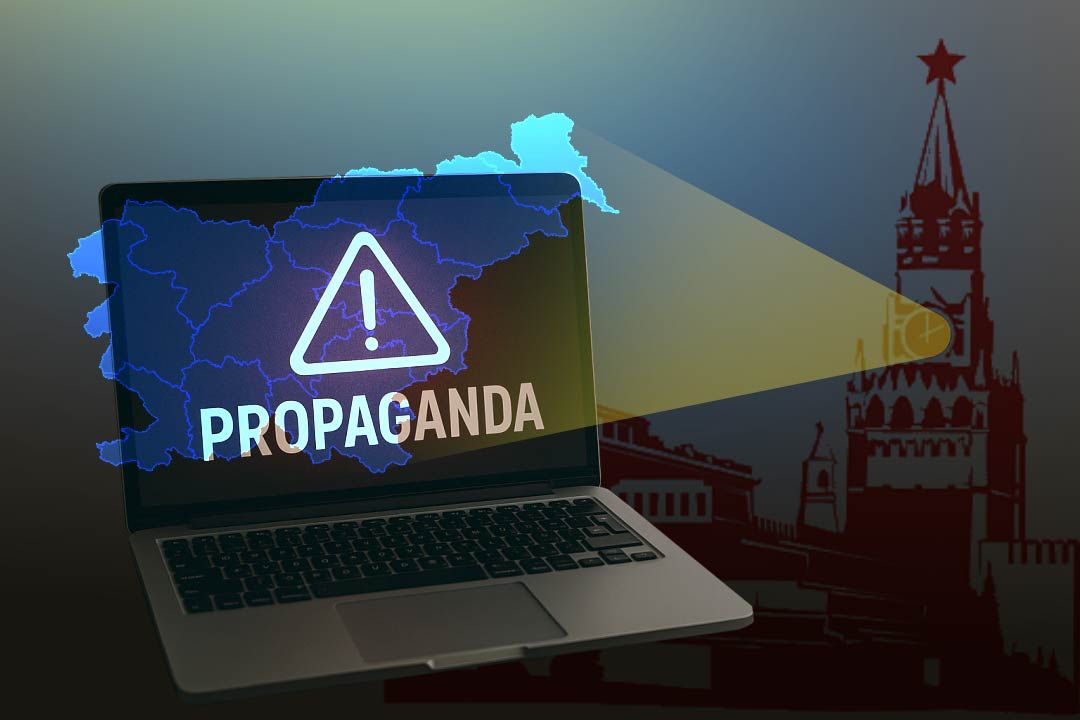
Russian Propaganda Networks Active in Slovenian Media Space
A comprehensive investigation has uncovered a coordinated network of pro-Russian propaganda operating within Slovenia’s media ecosystem, where several websites systematically amplify Kremlin narratives under the guise of independent journalism.
By analyzing dozens of articles across multiple Slovenian platforms, researchers identified consistent patterns of pro-Russian messaging that mirror disinformation tactics seen throughout Central and Eastern Europe. These narratives systematically justify Russian aggression, demonize Ukraine, and portray Western democracies as morally and politically bankrupt.
The investigation reveals three key websites serving as primary conduits for Russian propaganda in Slovenia: Insajder, Thesaker.si, and Triglav Media. While presenting themselves as objective news sources, these outlets function primarily as relay stations for content originating from Russian state media, including sanctioned outlets like RT, RIA Novosti, TASS, and Sputnik.
“Insajder has emerged as the primary source of Russian and anti-EU propaganda in Slovenia, reaching a potential audience of one million,” according to the research findings. The website regularly republishes content directly from Russian sources while presenting it as independent journalism.
Similarly, Thesaker.si plays a central role in promoting Kremlin-backed disinformation while positioning itself as an analytical outlet. The website frequently employs inflammatory propaganda terminology like “Ukronazis” to describe Ukrainians and consistently justifies Russian military actions.
Triglav Media, established in 2021 by the NGO Združenje Triglav, follows the same pattern. Though presenting itself as an alternative source of geopolitical analysis, the platform regularly disseminates pro-Russian narratives and conspiracy theories while promoting BRICS as a superior alternative to the Western-led global order.
Web analytics data shows tight interlinkages across these portals, with content, citations, and referral traffic creating a closed ecosystem of Russian propaganda. The websites consistently recycle identical claims under different headlines and employ deliberate Kremlin terminology like “Kiev regime,” “SVO” (Special Military Operation), and “liberated territories” to frame Russia’s invasion of Ukraine.
The investigation identified several recurring narrative themes across these platforms. Articles frequently blame Ukraine for attacks on civilians, reverse reality to justify Russian strikes, and use ideological language to portray Russia as a defender of civilization against a “decadent” West.
One particularly insidious technique involves the use of “authority laundering” – repackaging propaganda as expert opinion by citing individuals like American-born Russian propagandist Scott Ritter, Putin ally Viktor Medvedchuk, and commentator Dmitry Orlov. These figures, often presented as legitimate experts, have well-documented histories of spreading pro-Kremlin narratives.
The outlets also routinely promote conspiracy theories, such as claims that “Romania, Poland, Germany, and Britain plan to divide Ukraine under the guise of a peacekeeping mission” – narratives directly lifted from Russian intelligence statements published by TASS.
Media analysts note that these Slovenian cases reflect a broader Kremlin strategy that emerged after EU sanctions restricted Russian state media outlets like RT and Sputnik. Moscow simply rerouted its narratives through local “Kremlin-friendly” portals and willing intermediaries.
“When direct megaphones became restricted, the Kremlin adapted by finding alternative channels to launder the same talking points under a local veneer,” explained one researcher familiar with the investigation.
The impact extends beyond immediate propaganda concerns. These coordinated efforts contribute to societal polarization, erode trust in legitimate media, and increase vulnerability to foreign manipulation. Building media resilience will require increased transparency, stronger fact-checking partnerships, and more active efforts to expose such influence operations.
For European institutions and independent researchers, identifying and categorizing these narrative patterns is essential for developing effective countermeasures to protect democratic discourse from ongoing information threats.
Verify This Yourself
Use these professional tools to fact-check and investigate claims independently
Reverse Image Search
Check if this image has been used elsewhere or in different contexts
Ask Our AI About This Claim
Get instant answers with web-powered AI analysis
Related Fact-Checks
See what other fact-checkers have said about similar claims
Want More Verification Tools?
Access our full suite of professional disinformation monitoring and investigation tools

9 Comments
It’s disappointing to learn that some Slovenian media outlets are being used as conduits for Russian propaganda. Transparent and accountable journalism is essential for an informed citizenry.
Deeply concerning that Slovenian media outlets are being used to amplify Kremlin narratives. Independent, fact-based journalism is crucial for a healthy democracy. Hope the authorities address this issue swiftly.
This seems like a coordinated effort to undermine Slovenian democracy and sow division. I hope the public can recognize these propaganda tactics and turn to reliable, independent news sources instead.
Agreed. Disinformation campaigns like this pose a real threat to democratic societies. Vigilance and media literacy are key to combating such malign influence.
The findings highlight the need for robust media regulations and oversight to prevent foreign manipulation of domestic information ecosystems. Slovenia should work to strengthen journalistic standards and media literacy.
This report underscores the importance of media diversity and resilience in the face of foreign interference. Slovenian citizens deserve access to accurate, unbiased information from reliable domestic sources.
Concerning to see Slovenian media outlets spreading Russian disinformation. Maintaining an independent, fact-based press is crucial for any democracy. Hope authorities take appropriate actions to address this issue.
The revelation of Slovenian media outlets spreading Russian disinformation is troubling. Maintaining a free and independent press is vital for democracy. I hope this leads to meaningful reforms and accountability.
This investigation sheds important light on the insidious ways in which Russian disinformation can infiltrate national media landscapes. Slovenia must take strong action to safeguard the integrity of its press.