


Listen to the article
Pro-Russian Disinformation Campaign Exploits Congresswoman’s Unfounded Claims About Zelensky
Russian propaganda networks have launched a coordinated effort to spread disinformation about Ukrainian President Volodymyr Zelensky, manipulating comments made by a U.S. congresswoman with known pro-Russian leanings.
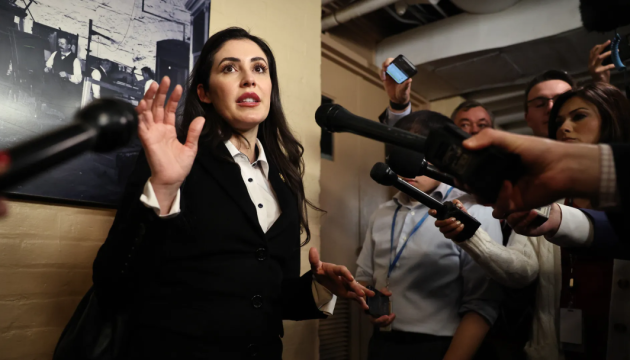
The campaign centers on an interview between Republican Representative Anna Paulina Luna and podcast host Danny Jones, where Luna claimed without evidence that President Zelensky “transfers about $50 million a month to some Saudi bank.” Russian state media outlets, Telegram channels, and automated bot networks on X (formerly Twitter) have amplified this segment, presenting it as supposed congressional evidence of misappropriation of Western aid funds.
Security experts and fact-checkers have thoroughly debunked these allegations, noting that Luna’s comments were made during a broader conversation about conspiracy theories—including UFOs and classified Pentagon information—rather than during any official congressional investigation or hearing.
The podcast where these claims originated typically focuses on fringe topics including conspiracy theories, biblical interpretation, and extraterrestrials. Luna’s speculative comments about Zelensky came during a segment where she advocated for auditing government expenditures that might be concealed from public view.
“This represents a classic disinformation tactic where a grain of speculation from a sympathetic voice is magnified and presented as authoritative evidence,” said a Western intelligence analyst who spoke on condition of anonymity. “The claim contains no specifics about which Saudi bank, timing of transfers, or any verifiable details that could be investigated.”
Multiple independent audits of U.S. aid to Ukraine have found no evidence of misappropriation or fraud. The Pentagon and State Department have implemented robust oversight mechanisms for the billions in military and economic assistance provided to Ukraine since Russia’s full-scale invasion in February 2022.
Luna’s history of pro-Russian positions offers important context for understanding the propaganda value of her comments. In October, she quoted Putin aide Kirill Dmitriev on her social media accounts and expressed interest in organizing meetings between Russian State Duma members and U.S. lawmakers—ostensibly to discuss UFOs.
The congresswoman was also among the co-sponsors of legislation in 2023 that sought to halt U.S. military assistance to Ukraine, aligning with Moscow’s strategic objectives of isolating Ukraine from Western support.
This latest propaganda effort follows a pattern of Russian disinformation campaigns targeting Western public opinion. Similar tactics were employed in recent months when Russian networks falsely claimed that Hollywood celebrities visiting Ukraine received payments from USAID for their solidarity appearances.
Media literacy experts warn that such disinformation is particularly effective when it comes from Western elected officials, giving foreign propaganda an appearance of domestic legitimacy.
“When Russian state media can quote an American congresswoman instead of a Kremlin official, it significantly increases the believability factor for Western audiences,” explained Dr. Miranda Coleman, who studies information warfare at Georgetown University. “The content might be identical to Kremlin talking points, but the messenger changes how it’s received.”
U.S. intelligence agencies have consistently warned about Russia’s sophisticated influence operations targeting democratic institutions and public opinion in Western countries, particularly regarding support for Ukraine.
For audiences consuming news about the Russia-Ukraine war, experts recommend verifying claims through multiple credible sources, particularly when allegations involve financial impropriety or corruption, which are common themes in Russian propaganda narratives.
Verify This Yourself
Use these professional tools to fact-check and investigate claims independently
Reverse Image Search
Check if this image has been used elsewhere or in different contexts
Ask Our AI About This Claim
Get instant answers with web-powered AI analysis
Related Fact-Checks
See what other fact-checkers have said about similar claims
Want More Verification Tools?
Access our full suite of professional disinformation monitoring and investigation tools

8 Comments
Unfortunate to see how easily misinformation can spread, even when originating from elected officials. Rigorous fact-checking and reliance on reputable sources is crucial in these situations.
While it’s concerning to hear about potential misuse of aid funds, these specific allegations seem to be part of a larger disinformation campaign. Hope proper authorities investigate any real issues.
Agreed. Unsubstantiated claims like this, especially when pushed by foreign propaganda, should be approached with a lot of skepticism.
Spreading misinformation, even if it comes from elected officials, is irresponsible and dangerous. Fact-checking is crucial to counter these kinds of propaganda efforts.
Well said. We should be highly skeptical of claims that can’t be verified through proper channels and independent analysis.
Interesting claims, but I haven’t seen any credible evidence to back them up. Curious to see if any official investigations or hearings uncover real facts about how aid funds are being used.
Agree, these types of unsubstantiated allegations seem more like political posturing than serious concerns. Need to rely on vetted sources, not fringe podcasts.
Conspiracy theories and unfounded accusations often get amplified by state propaganda networks. It’s important to maintain a critical eye and focus on credible, evidence-based reporting.